
Last updated November 25, 2026
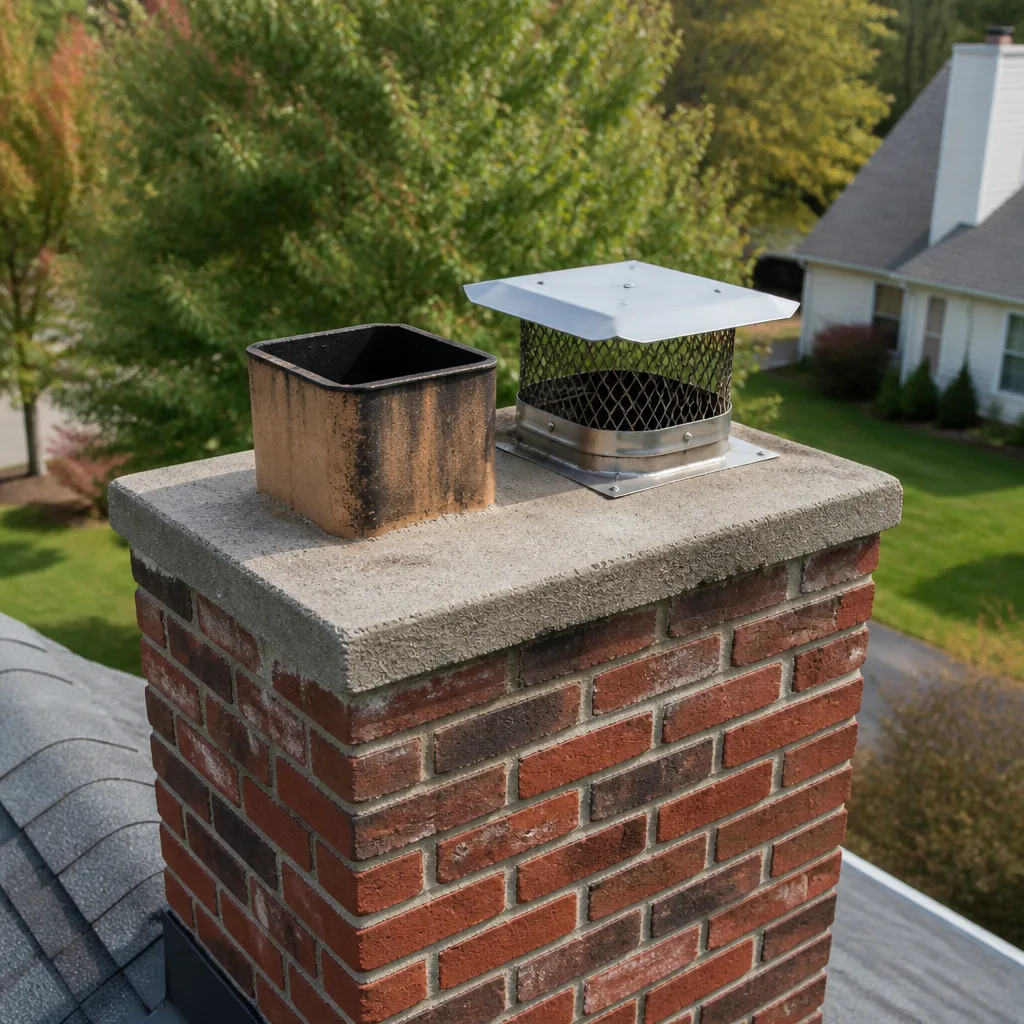 Sweep & inspection
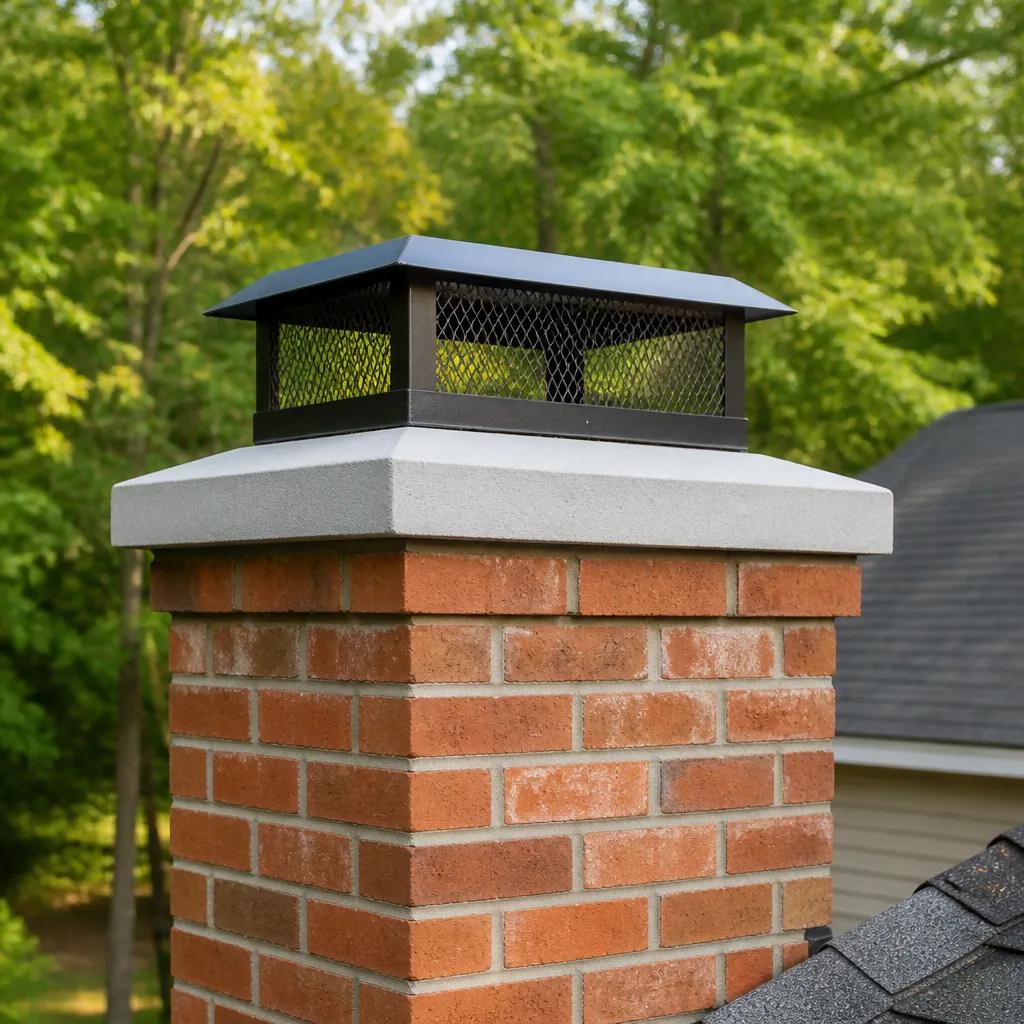 Caps & crowns
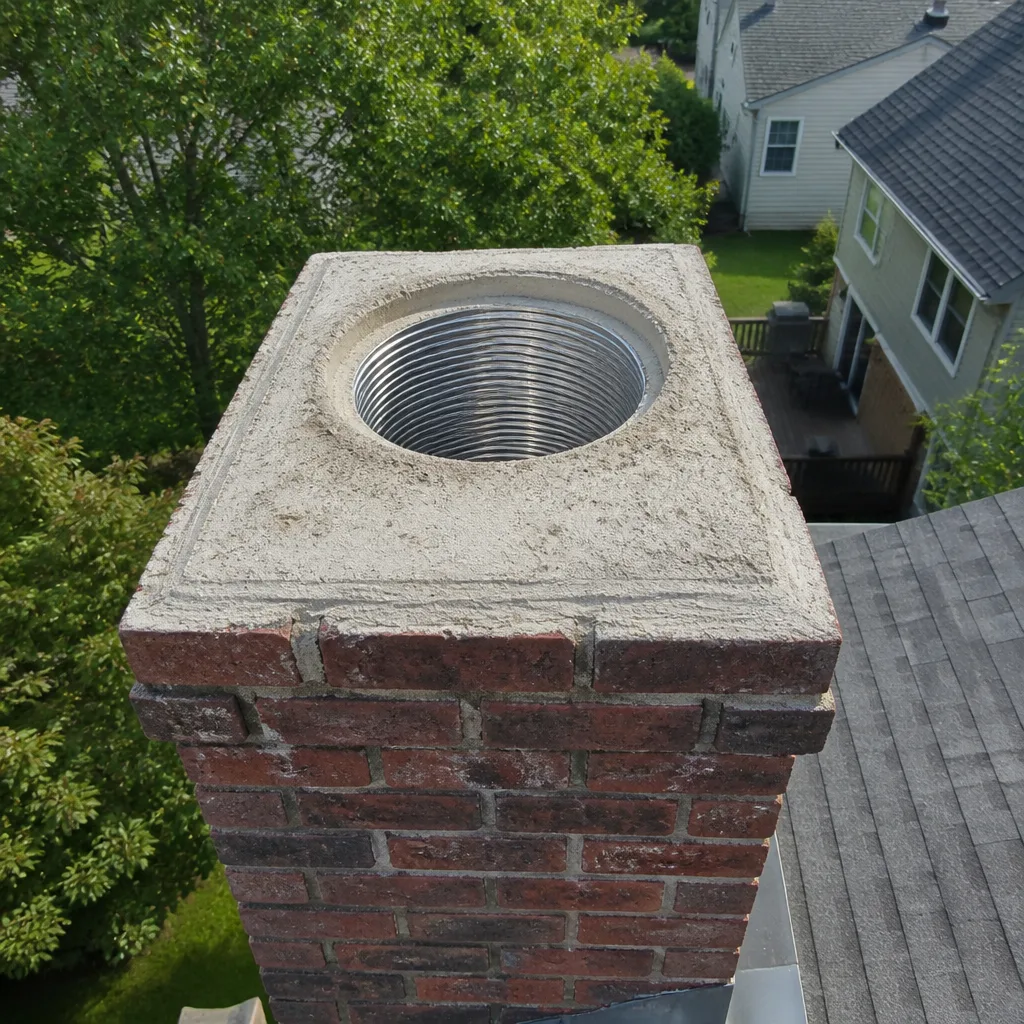 Flue relining
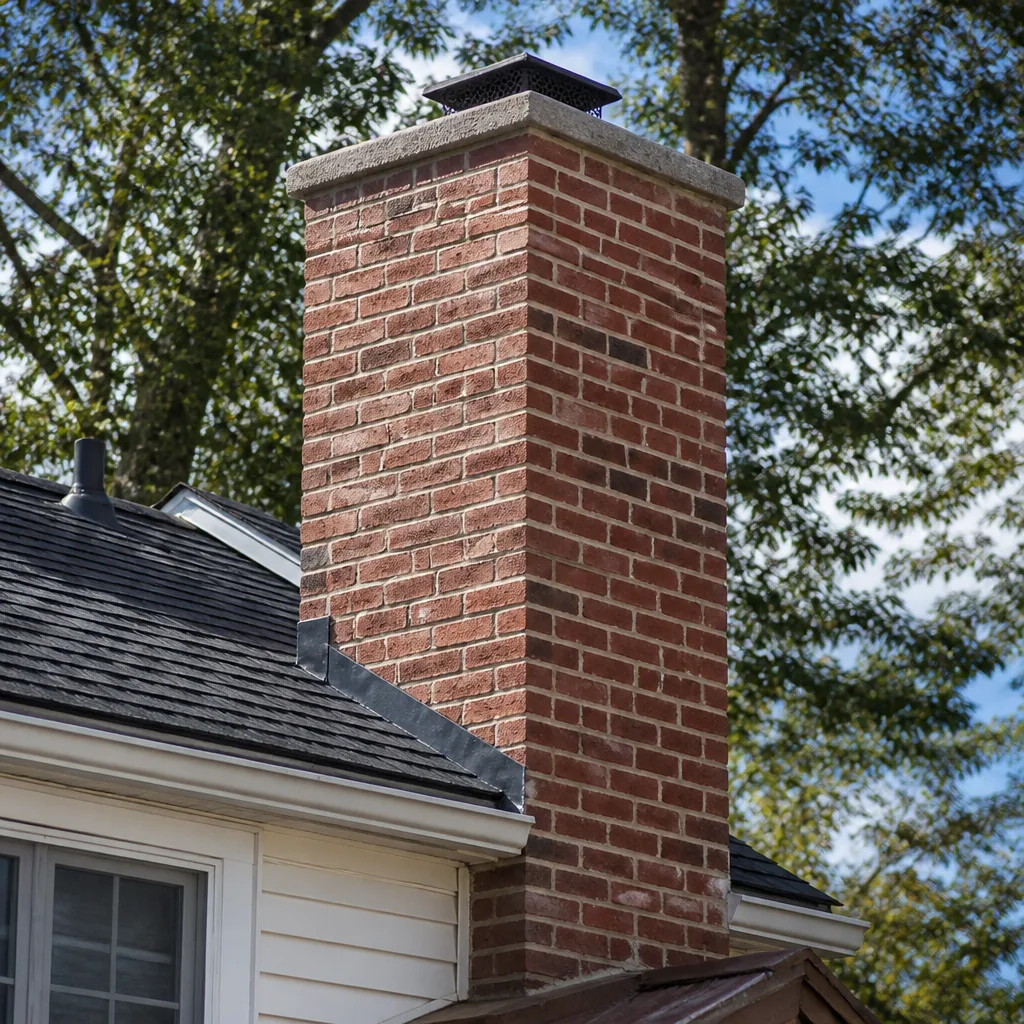 Masonry repair
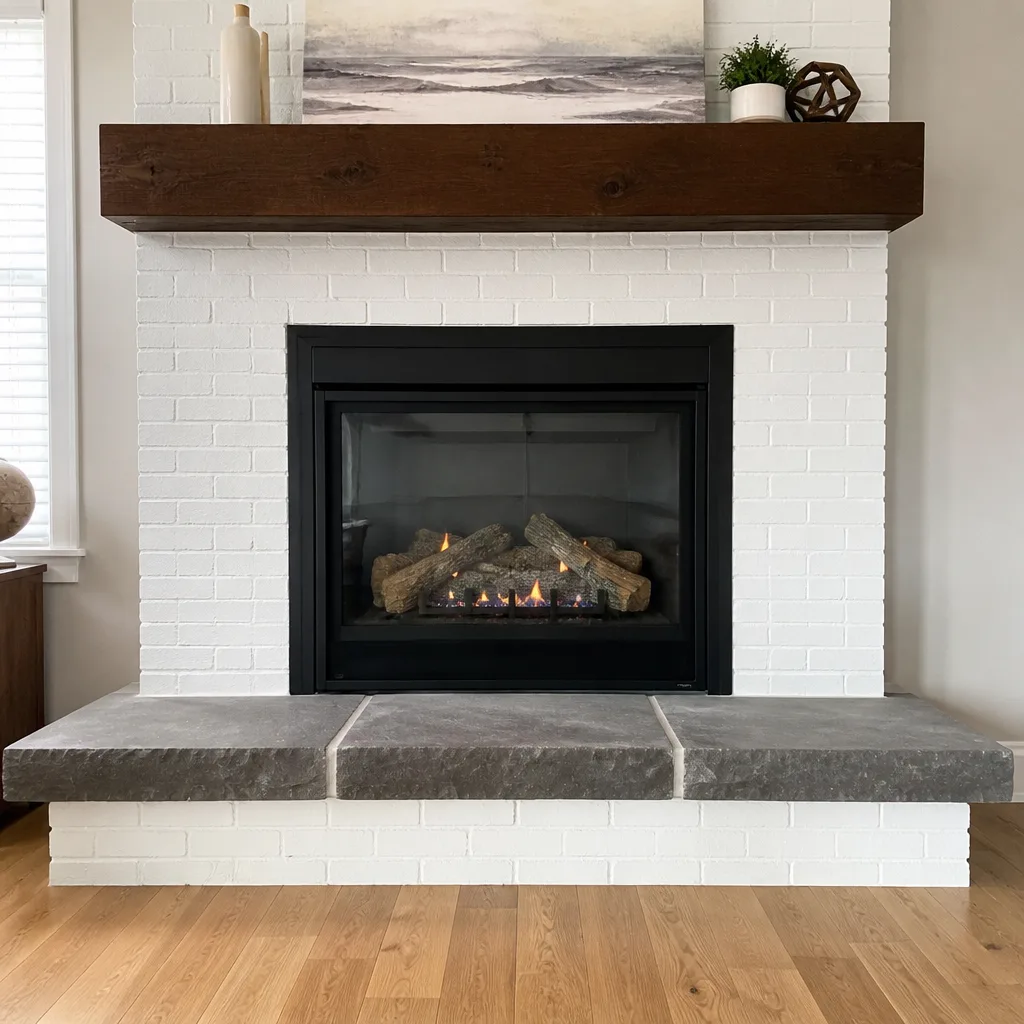 Gas fireplace service
Level 1 sweep and inspection to the NFPA 211 annual standard - flue, crown, cap, and flashing checked and photographed
Chimney sweep logs do not sweep chimneys. They loosen some creosote - which then falls where a brush and vacuum still have to collect it.
Seasonal Chimney Cleaning Care for Hyde Park: Year-Round Homeowner’s Guide
Summer is the worst season for chimney damage in New England, and it’s also the season when almost nobody calls a chimney sweep. That’s the counterintuitive truth about chimney care in Hyde Park: the months when you’re not burning wood are the months your masonry takes its hardest hits. Heat, humidity, driving rain, and closed-up flues full of last winter’s soot combine to break down mortar joints and trap moisture deep inside the system long before you light the first fire in October. This guide walks through each season as its own diagnostic window, so you know what to watch for, what to check, and when to book, rather than waiting for a November problem that could have been caught in July.
Styles & brands we work with
- Sweep & inspection
- Caps & crowns
- Flue relining
- Masonry repair
- Gas fireplace service
Quick Answer
Year-round chimney care in Hyde Park means inspecting the system against whatever stress the current season creates: summer heat and humidity that trap moisture and spall masonry, fall scheduling windows that fill up fast, winter creosote buildup for active burners, and spring cap-and-crown checks that catch water intrusion before it becomes structural damage. Each season has its own checklist, but the single most valuable habit is booking your chimney sweep in September, not November, so the inspection is thorough and the chimney is ready before the burn season starts.
Table of Contents
- Why Seasonal Chimney Care Matters in Hyde Park’s Climate
- Summer: The Season Nobody Calls
- Fall: Why September Beats November
- Winter: Mid-Season Checks for Active Burners
- Spring: Cap and Crown as the Highest-ROI Task
- Freeze-Thaw Cycles and the Boston-Area Climate
- The Four-Season Maintenance Checklist
- Common Mistakes to Avoid
- When to Call a Professional
- Frequently Asked Questions
Why Seasonal Chimney Care Matters in Hyde Park’s Climate
Hyde Park sits in the middle of a New England climate that runs through a full range of extremes, and your chimney feels every one of them. A chimney is not a static object; it’s a masonry and metal system that expands, contracts, absorbs moisture, dries out, and takes on soot and creosote on a seasonal cycle. The gaps between those phases are where damage compounds quietly.
The core idea of seasonal care is that each season stresses a different part of the system. Summer humidity goes after the mortar. Fall is about getting ahead of the rush. Winter is about creosote and active use. Spring is about water intrusion through the cap and crown. If you only think about your chimney in the fall, you’re inspecting one system under one condition and missing three other risk windows entirely.
Here’s what we see again and again in Hyde Park homes: someone waits until the first cold snap to book a sweep, the appointment pushes into December, and by then a hairline crack in the crown from the previous spring has grown into a leak that’s staining the ceiling. The work that would have been a simple chimney cap & crown repair in April becomes a masonry restoration job by January. Seasonal care is really about catching problems while they’re still cheap to fix.
Summer: The Season Nobody Calls
Summer is when the least visible but most expensive damage happens inside a Hyde Park chimney. Warm, humid air holds more moisture than cold air, and when that air meets a closed, uncleaned flue lined with soot and creosote from the previous winter, the moisture condenses on the walls and sits there for weeks. That trapped moisture works its way into the masonry.
Two things happen when a flue stays damp through the summer. First, the soot and creosote absorb moisture and can turn mildly acidic, which slowly attacks mortar joints from the inside. Second, and more visibly on the exterior of older Hyde Park homes, water migrating through damp brick and mortar triggers spalling: the face of the brick flakes and peels away, exposing progressively softer material underneath. Spalling that starts in July is often obvious by October.
- Closed, dirty flues trap moisture. A flue that was swept clean before summer has far less soot to hold water against the masonry.
- Humidity accelerates mortar deterioration. Mortar joints are the chimney’s weak points in wet, warm conditions.
- Small leaks get a whole summer to grow. A hairline crown crack that catches rain all summer will be a bigger problem by fall.
- Animal and nesting activity peaks. Birds and other small animals find their way in when the chimney sits unused, and their debris adds to the moisture problem.
Booking a summer inspection is also the easiest scheduling window of the year. While everyone else is thinking about pool time and cookouts, a trained technician can spend real time examining the chimney in Hyde Park rather than rushing through a packed fall calendar. Our technicians have up to 11 years of experience, and they’ll tell you the same thing: the quiet months are when the thorough inspections happen.
Fall: Why September Beats November
The single biggest scheduling decision a Hyde Park homeowner makes each year is when to book the fall sweep, and September beats November without much of a contest. The reason is simple arithmetic: everyone wakes up to fireplace season at the same moment, and the calendar fills from October onward. A September appointment gets you a longer inspection window, less hurried service, and time to fix whatever the inspection finds before the first burn.
There’s a second reason post-Labor Day is the sweet spot. By early September, the chimney has just come through its summer wet season, so the inspection catches the moisture-related damage of the previous months. That gives you a clear picture of the system going into fall. If you wait until November, you’ve already started burning on top of a problem you haven’t seen yet.
Fall is also the season to confirm your draft behavior before you depend on it. A blocked or partially blocked flue that didn’t bother you all summer announces itself the first cold night you light a fire, usually as smoke rolling back into the room. Scheduling the sweep in September means you find out with a technician present, not at 9pm with a house full of guests.
- Book the sweep in the first half of September. Appointments after Labor Day are easier to secure and less compressed.
- Have the full inspection done alongside the sweep. Before we sweep, we inspect: the sweep clears the flue, but the inspection is what finds the problem.
- Schedule any repair work for late September or early October. That leaves margin before cold weather sets in.
- Test the draft with a small fire before you rely on the fireplace in earnest. A quiet first burn tells you a lot.
- Confirm your smoke and carbon monoxide alarms are working. The start of burn season is the natural checkpoint.
Winter: Mid-Season Checks for Active Burners
If you’re burning wood more than three times a week, winter is when creosote accumulates fast enough to matter, and mid-season is when you should be paying attention to it. Creosote builds up in recognizable stages, and the stage determines how urgently it needs attention. This is the creosote progression we watch for in Hyde Park homes that burn actively through the cold months:
- Stage 1: Sooty, flaky coating. The most common early form. It brushes off relatively easily during a standard sweep.
- Stage 2: Crusty, brittle deposits. Harder and denser. It’s a sign the flue is running cool or the wood is not fully seasoned.
- Stage 3: Glazed, tar-like creosote. Hard, shiny, and stubborn. This is the stage that raises real concern, because it’s the most combustible form of the buildup and the hardest to remove.
The stage your chimney reaches depends on how hot the fire burns, how dry the wood is, and how often you burn. Cool, smoldering fires and unseasoned wood push you toward the crusty and glazed stages faster. Active burners who haven’t had a mid-season look should treat it as a check-in, not a full reset: a quick assessment tells you whether you’re on track for the rest of the winter or due for a cleaning before spring.
Winter is also the season when you’ll notice the early signs of a problem. Odor that appears when the fireplace isn’t in use, smoke that backdrafts on windy days, or a draft that feels weak compared with previous years are all signals worth acting on. A trained professional can read those signs quickly and tell you whether it’s a simple fix or something that needs a proper inspection.
Spring: Cap and Crown as the Highest-ROI Task
If there’s one task in this whole guide that pays for itself most reliably, it’s the spring cap and crown inspection. The chimney cap and the crown are the two components that keep rain, snow, and animals out of the flue, and they take the brunt of every storm that comes through Hyde Park. Checking and repairing them in spring, right after the heating season ends, means you’ve closed the door before the summer rain starts.
The crown is the concrete or masonry top of the chimney, and it’s meant to shed water away from the flue. Hairline cracks form from winter freeze-thaw, and once water gets under the crown, it travels down the chimney and into the house. The cap sits over the flue opening and stops rain, debris, and animals from getting in. Both degrade from weather, and both are relatively inexpensive to repair compared with what water damage can do.
Spring is also when homeowners who’ve been burning all winter are able to inspect the full exterior of their Hyde Park home without snow or ice in the way. If that inspection turns up a repairing need, we can work with industry-recognized product lines like Copperfield and Famco for caps and accessories. Getting it done before May means your chimney is water-tight going into the wet summer months, which is exactly when that protection matters most.
- Inspect the crown for cracks and spalling. Look for hairline cracks seeping water or concrete flaking off.
- Check the cap is secure and unobstructed. Loose or missing caps are the most common entry point for rain and animals.
- Book any cap or crown work before May. This gets it done before the summer rain pattern sets in.
- Look at the flashing where the chimney meets the roof. Separation there lets water into the house.
- Schedule the spring inspection alongside any other time-sensitive work. One visit covers more ground.
Freeze-Thaw Cycles and the Boston-Area Climate
Hyde Park’s position in the greater Boston area puts it in a climate that swings across the freezing point repeatedly through winter, and those swings are what make masonry work hard here in a way that a milder climate doesn’t. A freeze-thaw cycle happens when water gets into a crack or pore in the masonry, freezes and expands, then thaws and leaves the crack slightly bigger. Over one winter, a wall can go through dozens of these cycles, and each one widens the damage.
The coastal proximity of the Boston area moderates temperatures just enough to create more of these swings. A location further inland stays locked below freezing for longer stretches, which limits the number of freeze-thaw events. Closer to the coast, the mercury crosses back and forth more often, and each crossing is a chance for water to refreeze and push brick apart. That’s why Hyde Park masonry inspections should focus hard on cracks, mortar joints, and the crown, which are the places water enters and then expands.
Freeze-thaw damage is cumulative and it’s slow. That’s precisely why seasonal care works: catching a hairline crack in the fall, before winter drives water into it and freezes it repeatedly, prevents the kind of spalling and loosened brick that shows up as a major repair in spring. A close look at the crown and mortar joints each fall, on top of the spring check, gives you two inspections per year against the same freeze-thaw threat.
The Four-Season Maintenance Checklist
Here’s the whole seasonal program in one place, using the checklist we walk Hyde Park homeowners through. Treat it as a standing schedule rather than a one-time set of tasks.
- Spring: Cap and crown inspection and repair. Check the flashing. Clear any winter debris. Book before May to get ahead of the rainy season.
- Summer: Sweep or inspect the flue so it’s clean going into the humid months. This is the easiest time of year to book and the best time for a thorough inspection.
- Fall: Book the main sweep in the first half of September. Complete the full inspection. Finish any repairs before the burn season. Test the draft with a small fire.
- Winter: Mid-season check for active burners. Watch the creosote stage. Address any draft or odor problems early rather than waiting.
If you’d rather think in terms of two visits a year, the pattern is spring for the exterior (cap, crown, flashing, masonry) and fall for the interior (flue, firebox, draft). Summer and winter are the check-in points. When the time comes for the fall visit, our full scope means one specialist handles the whole system: a chimney sweep, an inspection, cap and crown work, chimney repair, and fireplace repair, all under one roof rather than coordinating multiple contractors.
Common Mistakes to Avoid
- Waiting until November to book the fall sweep. The fall calendar compresses fast. A mid-fall booking means a rushed inspection and less time to fix what it finds before you need the fireplace.
- Closing the flue for the summer without cleaning it first. Soot and creosote left in a closed, humid flue trap moisture against the masonry all summer. A clean flue dries much better.
- Skipping the spring cap and crown check. The cap and crown are the chimney’s first line of defense against water. Ignoring them in spring means a summer of rain getting into the system.
- Assuming a summer chimney doesn’t need attention. In Hyde Park’s climate, summer is the season with the most hidden damage. Humid air plus uncleaned flue equals spalling and deteriorating mortar.
- Burning unseasoned wood through winter. Wet wood burns cool and drives creosote straight toward the crusty and glazed stages. Seasoned wood keeps buildup slower and more manageable.
- Treating an odor or a weak draft as normal. A smell when the fireplace is idle, or smoke that backdrafts, are early signals of a real problem. They’re worth a look rather than a shrug.
- Letting one repair slide into the next. A hairline masonry crack in fall becomes freeze-thaw damage through winter and a much larger repair in spring. Fixing it while it’s small is the whole point of seasonal care.
When to Call a Professional
Some chimney work is worth a phone call immediately. If smoke rolls back into your home when you light a fire, if the fireplace smells even when it’s out, if you can see cracks or spalling on the masonry, or if it’s been more than a year since the last sweep, those are clear signals to get a trained professional out. Anything involving a damaged flue liner or a creosote stage you can’t identify should also be handled by a professional rather than a homeowner inspecting by flashlight.
The expertise here matters. A chimney specialist reads the warning signs and connects them to the right fix, which is the difference between a job done properly and a problem patched over. Chimney Sweep Hyde Park offers free estimates in Hyde Park, and with HeatShield liner restoration we can repair a damaged flue without a full liner replacement in many cases. We work with DuraFlex liner products as well. Call (877) 853-3126. We answer 24/7. Fast dispatch from 7am to 7pm, Sunday through Friday.
Frequently Asked Questions
Plan on at least once a year, and more often if you burn wood frequently through the winter. Active wood-burners, meaning those using the fireplace more than three times a week, benefit from a mid-season check in addition to the annual sweep. If it’s been more than a year since your last sweep, book one now rather than waiting for fall. Call (877) 853-3126 for an exact quote; estimates are free.
Summer heat and humidity trap moisture inside a closed, uncleaned flue, and that moisture attacks mortar joints and triggers masonry spalling. Warm air holds more water, so a flue lined with last winter’s soot stays damp for weeks on end. A clean flue plus a spring cap and crown check prevents most of that damage. If you haven’t had a summer inspection in Hyde Park, it’s worth booking one.
Not always. A damaged flue can often be restored with HeatShield rather than fully relined, which is one advantage of working with a specialist who offers liner restoration alongside replacement. The right answer depends on what an inspection finds, and that inspection is included with our service. Call (877) 853-3126 to book one and get a straight answer.
Book in September. Appointments after Labor Day get a longer, more thorough inspection window and are much easier to schedule than October or November slots. Booking early in the fall also means the inspection happens before the burn season, so any repair is finished before you need the fireplace. Call (877) 853-3126 for an exact quote; estimates are free.
Watch the creosote stage, since active burners reach the crusty and glazed stages faster than occasional burners. Also watch for odor, smoke that backdrafts, or a weakening draft. Those signs in the middle of winter warrant a check-in rather than a wait until spring. A professional can read them in a single visit.
The Boston area’s coastal proximity moderates temperatures enough to push the mercury back and forth across freezing more often than inland New England, and every crossing lets water refreeze and widen cracks in the masonry. That’s why the fall masonry inspection and the spring cap and crown check both matter here. Call (877) 853-3126 for a free estimate on any repair either one turns up.
The Bottom Line
Seasonal chimney care in Hyde Park comes down to treating each season as its own diagnostic window rather than doing the same thing four times a year. Spring is for the cap, crown, and water intrusion. Summer is when humidity does its hidden damage and when the easiest inspections happen. Fall is when booking early beats booking late. Winter is when creosote and active burning need watching. The freeze-thaw reality of the greater Boston area makes masonry care especially valuable here, and the July you spend chasing a moisture problem is far better than the January you spend repairing the damage it caused. One specialist covering the whole chimney system keeps the program simple, and the phone call that starts it takes less time than reading this guide.
Ready to get on a seasonal schedule? Chimney Sweep Hyde Park handles sweeping, inspection, cap and crown, chimney repair, and fireplace repair across Hyde Park under one specialty roof, and our technicians have up to 11 years of experience. Call (877) 853-3126. We answer 24/7. Fast dispatch from 7am to 7pm, Sunday through Friday. Estimates are free, and the written estimate sets the final price.
Written by the team at Chimney Sweep Hyde Park.
See the difference
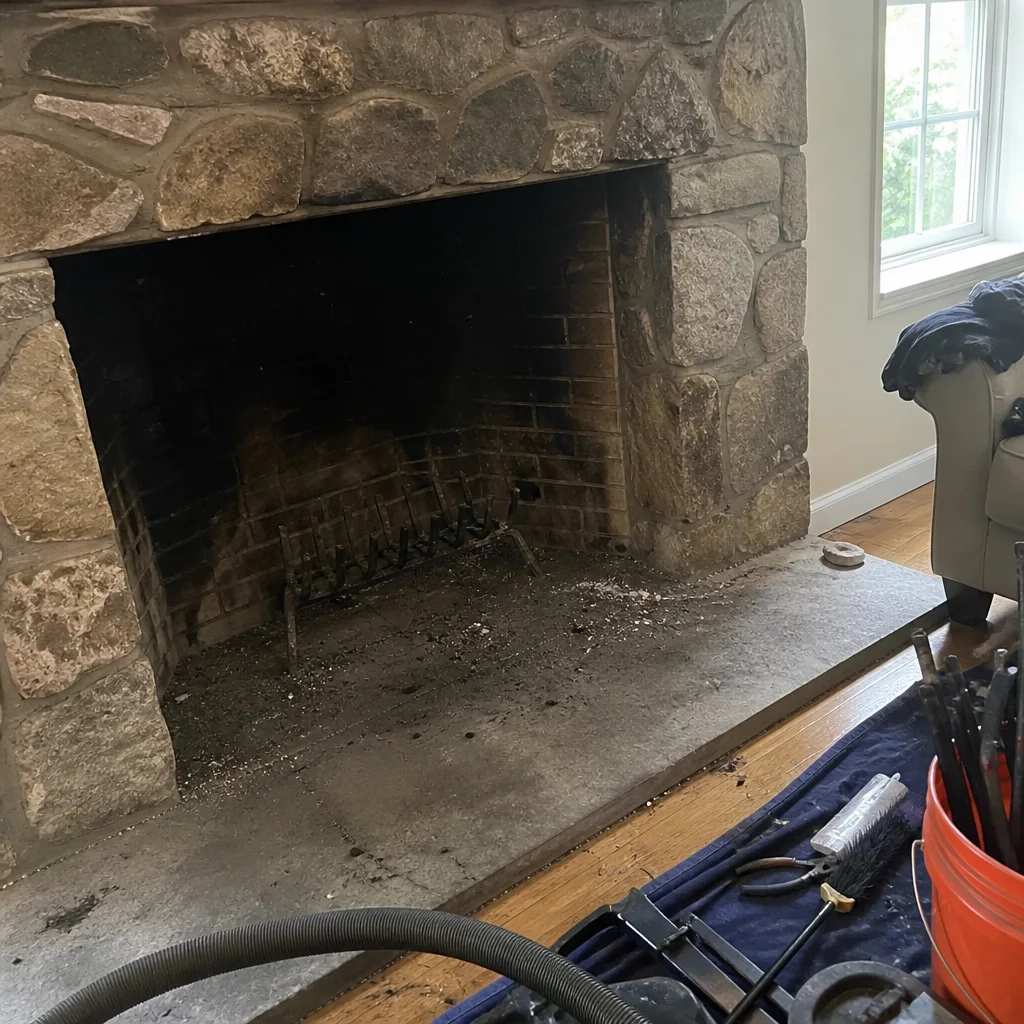 Before
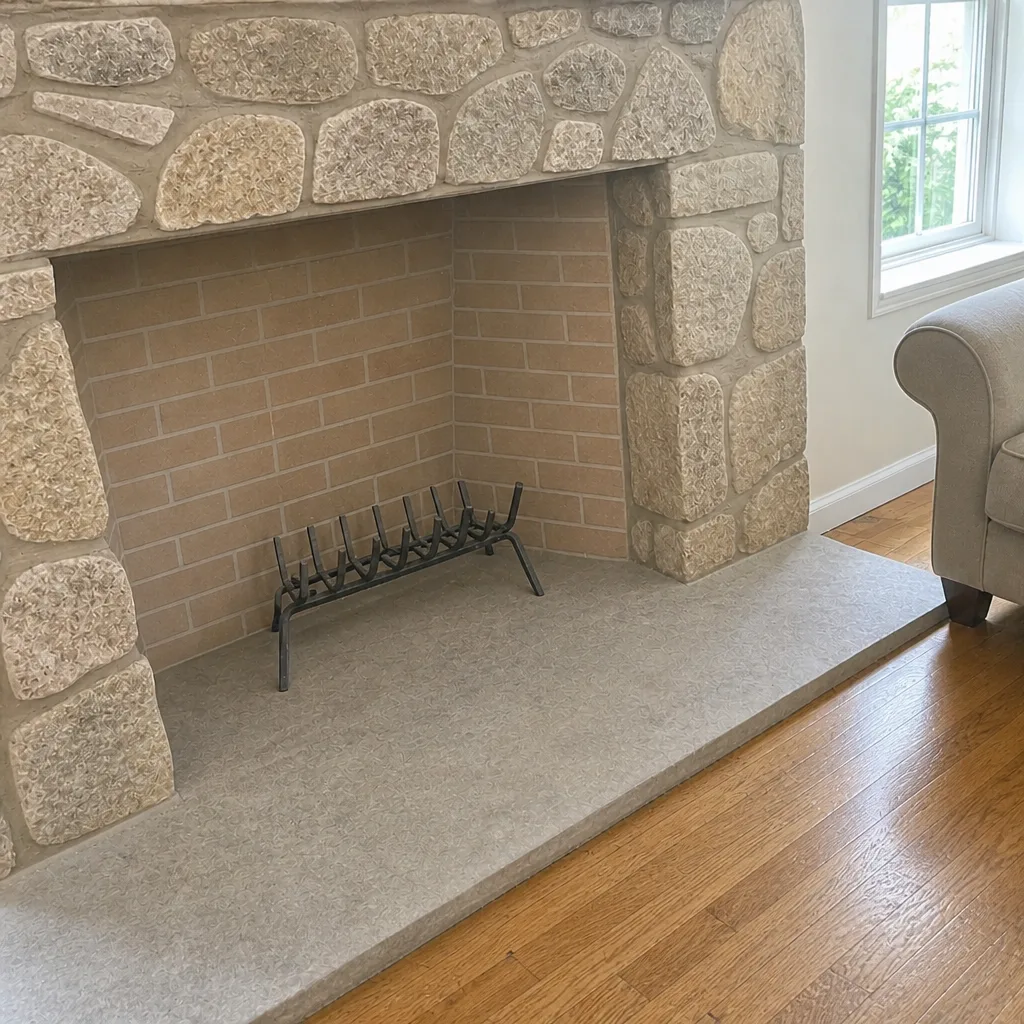 After
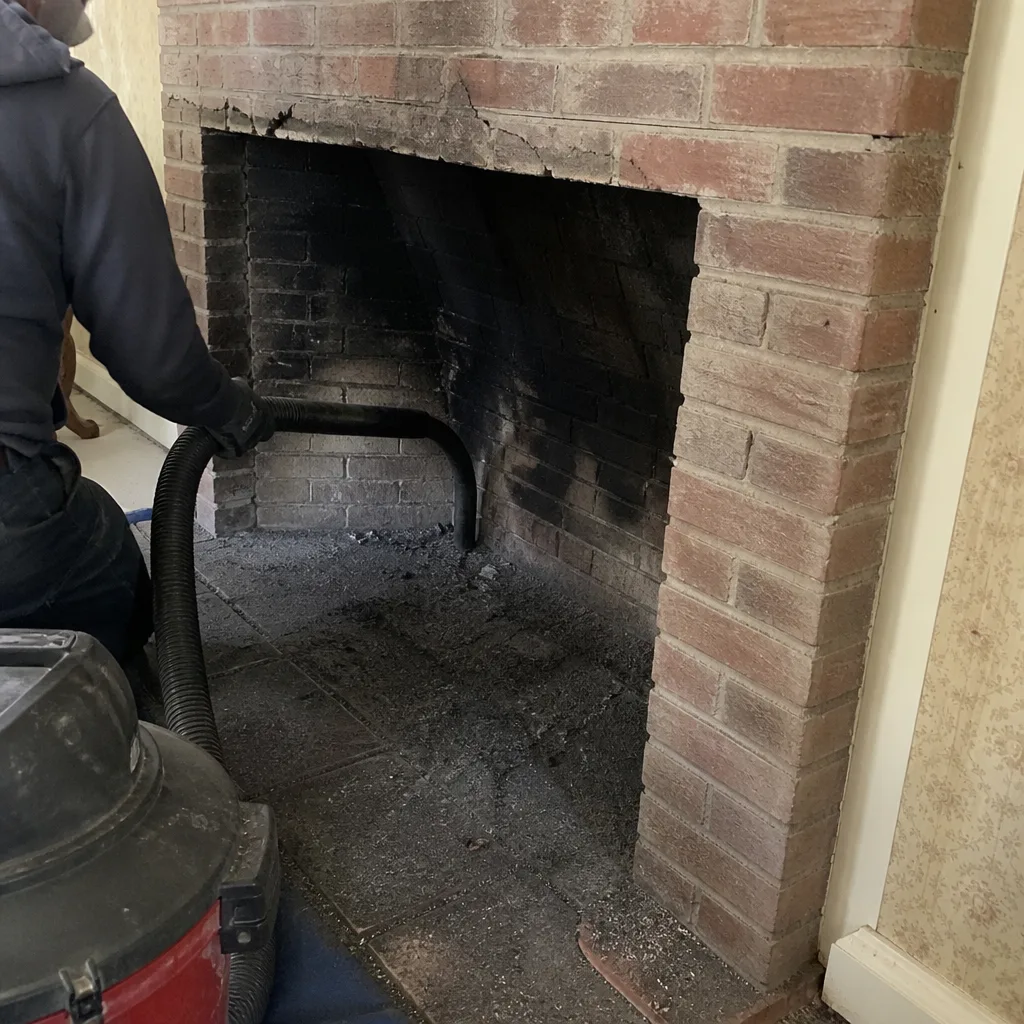 Before
 After
 Before
 After