
Last updated November 25, 2026
 Sweep & inspection
 Caps & crowns
 Flue relining
 Masonry repair
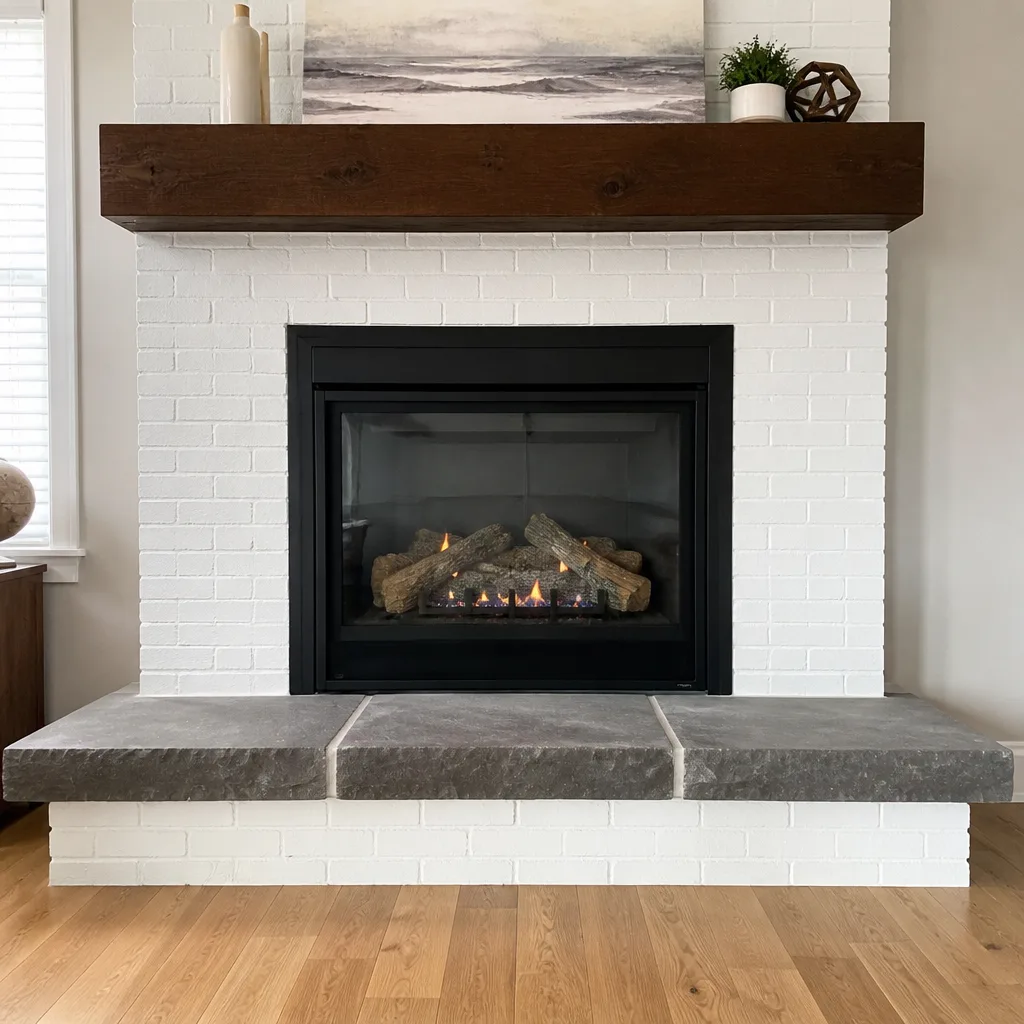 Gas fireplace service
Level 1 sweep and inspection to the NFPA 211 annual standard - flue, crown, cap, and flashing checked and photographed
Chimney sweep logs do not sweep chimneys. They loosen some creosote - which then falls where a brush and vacuum still have to collect it.
Chimney Cleaning Emergency Preparedness Guide for Hyde Park Homes
A chimney fire doesn’t start in the flue. It starts in the creosote that accumulated over three or four burning seasons while the system was “working fine.” That’s the part most homeowners miss: the emergency is the last chapter of a story that began long before anyone smelled smoke. By the time you hear a roar or see sparks at the cap, the conditions that made it possible have been sitting in your chimney for years. This guide walks Hyde Park homeowners through the predictable failure sequences behind chimney fires, carbon monoxide events, and sudden draft failures, the specific steps to take when one starts, and the small pre-season habits that keep the emergency from happening at all.
Quick Answer
Chimney emergency preparedness in Hyde Park means recognizing the pre-emergency window: the weeks or months when creosote buildup, a cracked liner, or a blocked flue is already present but hasn’t yet produced a fire or carbon monoxide event. A pre-season professional inspection and sweep, working carbon monoxide detectors, a documented inspection record, and a clear action plan (close the damper, get everyone outside, call 911) cover the majority of real emergencies. Most chimney fires and CO events we encounter follow failures that were visible to a trained eye before anything went wrong.
Styles & brands we work with
- Sweep & inspection
- Caps & crowns
- Flue relining
- Masonry repair
- Gas fireplace service
Table of Contents
- The Three Stages of a Chimney Fire: What You Hear, Feel, and Smell
- What to Do in the First Sixty Seconds of a Chimney Fire
- Carbon Monoxide: The Emergency With No Visible Smoke
- Why Hyde Park’s Housing Stock Changes the Risk
- After the Fire: Post-Event Inspection Requirements
- Building a Pre-Season Emergency Kit
- The Pre-Emergency Window: What to Watch For
- When to Call a Professional
The Three Stages of a Chimney Fire: What You Hear, Feel, and Smell
Chimney fires don’t announce themselves with a single dramatic moment. They build in stages, and each stage gives you specific signals from inside the home. Learning those signals is the difference between catching a problem early and discovering it after the damage is done.
Stage One: The Draft Roar
The first stage is a sound, not a sight. A low rumble builds in the flue, often described as a distant train or a low-flying aircraft. It’s the sound of combustion gases accelerating up the chimney as the fire inside the flue gains its own draft. Many homeowners mistake it for wind or a furnace cycling on. In Hyde Park’s older triple-deckers and two-families, that roar can travel through shared chimney chases and be heard in adjacent units, which is one reason responding fast matters here. A low rumble that doesn’t match the weather or your heating system is a signal to stop adding wood and check the firebox.
Stage Two: Structural Heat Transfer
As the fire inside the flue intensifies, heat transfers to the masonry or metal around it. Inside the home, this shows up as a fireplace surround that’s suddenly too hot to touch, a metallic ticking or pinging from the chimney, or a burning smell in an upstairs room. That smell and heat are heat escaping the flue through a crack or joint. This is the stage where the visible fire is still contained but the structure around it is under stress. It’s also the stage where a chimney fire can spread into the framing of a wall or roof without ever breaching the chimney visibly from the outside.
Stage Three: Exterior Breach
The third stage is the one that gets called in by neighbors: flames or thick black smoke from the chimney top, sparks landing on the roof, or a roaring sound audible from the sidewalk. By this point, the fire has either consumed enough creosote to vent visibly or has compromised the flue lining. A chimney fire at this stage is a 911 call, not a wait-and-see. Even if the visible flames subside quickly, the structural heat damage is what an inspector needs to assess afterward.
Recognizing these three stages gives you a window, but a small one. The earlier you identify the roar, the heat, or the smell, the more options you have.
What to Do in the First Sixty Seconds of a Chimney Fire
When you suspect a chimney fire, the sequence matters. The most common mistake, in our experience, is trying to fight the fire from inside the firebox. That’s the wrong move for a specific reason: creosote fires burn at very high temperatures in the flue above the firebox, out of reach of anything you can safely use from the hearth, and adding water or a suppressant from below can create steam, spread burning material, and put you in the path of a draft-driven flare.
Follow this sequence:
- Close the firebox door or damper. Limiting oxygen slows the fire and reduces the draft that feeds it. If your damper is operable, close it. If it isn’t, close the glass doors and any air controls.
- Get everyone out of the house. No exceptions, no gathering belongings. Move to the sidewalk or yard, away from the chimney side of the building if possible.
- Call 911. Tell them you have a chimney fire and give your address. Even if the fire appears to subside, let the fire department assess the exterior and roof.
- Don’t re-enter to “check.” Wait for the fire department’s clearance before going back inside.
- Don’t use the fireplace again until a professional chimney inspection has confirmed the flue, liner, and surrounding structure are safe.
For a small, contained chimney fire where you caught it early and the fire department has cleared the scene, the next step is a structural inspection, not a visual check. We’ll come back to why that distinction matters, because it’s the most misunderstood part of chimney emergencies.
Carbon Monoxide: The Emergency With No Visible Smoke
Carbon monoxide is the emergency that has no roar, no smoke, and no smell. It’s produced whenever fuel burns incompletely, and a chimney system that vents properly carries it outside. When the venting fails, CO backs up into the home. The failure can be a cracked or deteriorated flue liner, a blocked flue from a bird nest or fallen masonry, a disconnected appliance connector, or a damper left closed while a fire is lit.
What makes CO dangerous in Hyde Park specifically is the housing. Triple-deckers, two-families, and converted single-families often share chimney structures or chimney chases, or have appliances venting into flues that were originally built for different fireplaces. A CO leak in one unit can migrate through wall cavities, shared chases, or a poorly sealed common wall. That’s why the standard advice (“put a CO detector near the bedrooms”) is not enough here. You want coverage on every occupied level, and you want the units in adjacent apartments tested too if you notice any symptoms in your own.
Carbon monoxide symptoms present as headache, fatigue, nausea, dizziness, or confusion. Because these mimic a cold or flu, CO exposure is often misread for hours or days. If the symptoms improve when you leave the building and return when you come back, that pattern is a red flag.
What to do if your CO alarm goes off
- Get everyone outside immediately, including pets.
- Call 911 from outside the building.
- Don’t re-enter to open windows or turn off appliances. Let the fire department do the assessment.
- Don’t use any fuel-burning appliance until the source is found and corrected by a professional.
If you’ve had CO symptoms but no alarm went off, get out anyway and call for help. Then, once cleared, schedule a chimney inspection to find the venting failure.
Why Hyde Park’s Housing Stock Changes the Risk
Hyde Park’s housing stock is older than most of the surrounding region’s, and its chimneys were built for different fuel and different appliances. Many were constructed for coal or wood fireplaces and later converted to oil or gas furnaces, or had wood stoves or inserts installed without a liner upgrade to match. When you combine that with the density of triple-deckers and attached homes, several risks compound:
- Shared chimney structures. A flue serving one unit may pass through or alongside another. Cracks, blockages, or liner failures affect neighbors, not just the household using the fireplace.
- Undocumented liner changes. An insert or stove installed decades ago may have been connected without a properly sized and rated liner. If you don’t know the installation history, an inspection is how you find out.
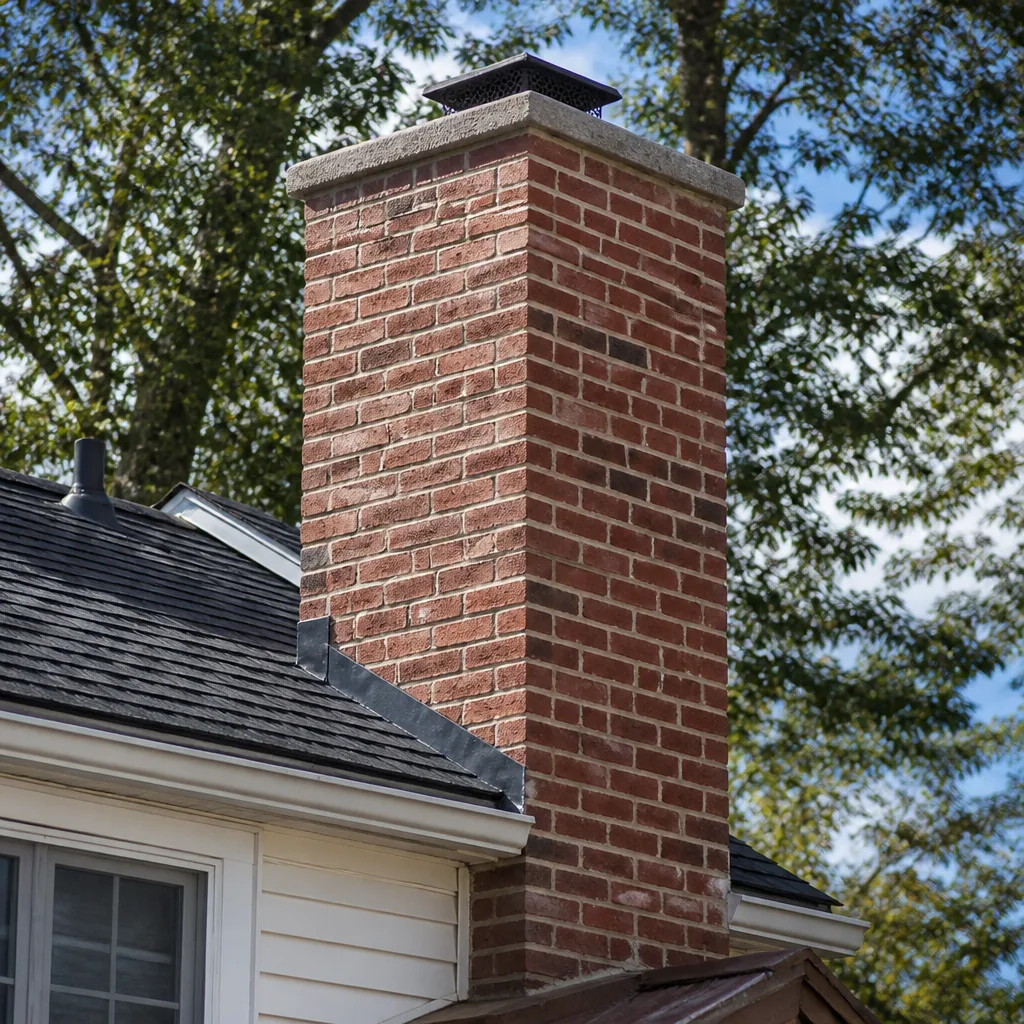
- Masonry at the end of its service life. Brick spalling, deteriorating mortar joints, and cracked crowns are common on older Hyde Park chimneys. Those cracks let water in, which accelerates deterioration and can eventually open a path for heat or CO to escape into the structure.
- Deferred maintenance. Chimneys often go a decade or more between sweeps in Hyde Park homes, especially in rentals or recently purchased properties. The longer the creosote sits, the more it hardens into glazed, highly combustible deposits.
- Hilly terrain and wind exposure. Hyde Park’s rolling topography can create downdrafts in colder months, pushing smoke and CO back into the home even when the flue is clear. A drafty chimney isn’t a nuisance; it’s a venting problem that requires diagnosis.
New England’s cold, damp winters, salt-free but moisture-heavy, also wear on chimney crowns and caps. Freeze-thaw cycling opens small cracks that grow each season. A crown repair or a new cap is inexpensive compared to the water damage that follows when a crack reaches the flue.
After the Fire: Post-Event Inspection Requirements
Here’s the part that surprises most homeowners: a visual clearance from the fire department is not a structural inspection. The fire department’s job is to confirm the fire is out and the building is safe to occupy. Their inspection doesn’t tell you whether the flue liner is cracked, whether the flue tile has spalled, or whether heat transferred through the masonry into the framing. Those are questions a chimney professional answers.
After any suspected chimney fire, these are the facts:
- Don’t use the fireplace again until a professional chimney inspection has confirmed the system is safe. This applies even if the fire was small and appeared to extinguish on its own.
- A Level 2 inspection is the standard after a chimney fire and after any change in the system, such as a new appliance or a liner replacement. Ask for that specifically when you call.
- The inspection should include the flue interior, typically with a camera, and the areas of the chimney that transfer heat: the smoke chamber, the crown, and the visible masonry.
- Document everything. Photographs, the inspector’s findings, and the fire department’s report are the record your insurer will ask for.
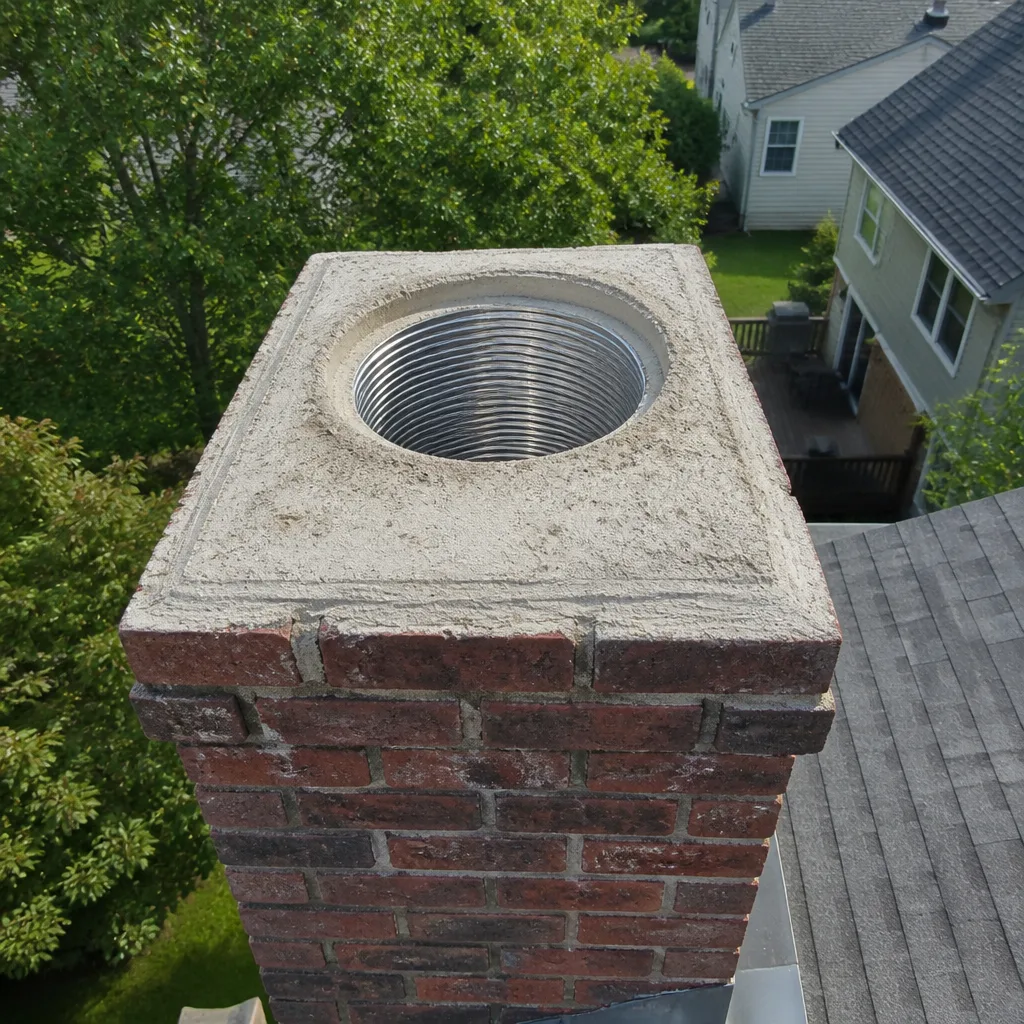
If a liner has been damaged, there are two paths. Full replacement with a new liner is one. The other is Chimney Sweep Hyde Park liner restoration with HeatShield, which can repair certain liner defects without replacing the whole liner. Which path applies depends on the condition of the flue, and an inspection is how you find out. Either way, the work happens before the fireplace is used again, not after.
Building a Pre-Season Emergency Kit
An emergency kit isn’t about having a hero moment during a chimney fire. It’s about being able to detect a problem early, respond correctly, and prove what happened afterward. Five items get you most of the way there.
- Carbon monoxide detectors with a digital readout. Standard detectors alarm but don’t tell you the level. A unit with a digital readout shows you the ppm, which helps you describe the situation to a professional or the fire department. Place one on every occupied level and one near the sleeping areas.
- A chimney fire suppressant log. These are one-time emergency tools, not a maintenance substitute. Stored near the fireplace, they can be useful if you catch a chimney fire at the early stage and the fire department hasn’t arrived. They do not replace a sweep, and they don’t make future fires less likely.
- Your most recent inspection report. Keep a physical copy or a photo on your phone. Insurers ask for it after a fire, and a new homeowner in Hyde Park benefits from knowing the last recorded condition of the system.
- A flashlight and a battery backup for the room where the fireplace lives, since smoke and power interruptions can occur together.
- A written evacuation plan that everyone in the household knows, including how to get to the sidewalk from every sleeping room.
We work with a small, deliberate lineup of professional-grade brands on the installation and repair side, including DuraFlex, Olympia Chimney, Famco, and Copperfield because their components are rated for continuous chimney use, not temporary fixes. When a cap or crown needs replacing after a storm or a fire, that matters.
The Pre-Emergency Window: What to Watch For
The pre-emergency window is the period after a problem develops but before an emergency happens. It’s usually measured in weeks or months, sometimes a full burning season. The full list of warning signs is longer than most homeowners realize. Here are the ones we ask about most often:
- Smoke backing into the room when you start or add a fire. This is a draft problem, not a “the wind is wrong today” problem.
- Creosote that glazes or shimmers inside the firebox or at the damper. Glazed creosote is the most combustible form and the most likely to fuel a chimney fire.
- A strong smoky smell in the house when the fireplace isn’t burning. This often means the flue is blocked or venting the wrong way.
- Visible masonry damage on the chimney exterior: loose brick, crumbling mortar, a cracked crown, or a cap that’s lifted or missing.
- Water staining on the chimney or inside the firebox. Water intrusion is the slow, quiet way a chimney becomes structurally unsafe.
- A CO detector reading above zero, even briefly. Any nonzero reading deserves investigation.
- Several seasons since the last sweep. If you don’t remember the last time the chimney was cleaned, that’s the answer.
The inspection and routine chimney sweep are the practical way to shorten this window. Before we sweep, we inspect, because the sweeping isn’t the whole story: the inspection is what tells you whether the flue, cap, and crown are still doing their job. If you haven’t had a service in two or more seasons, schedule one before the winter.
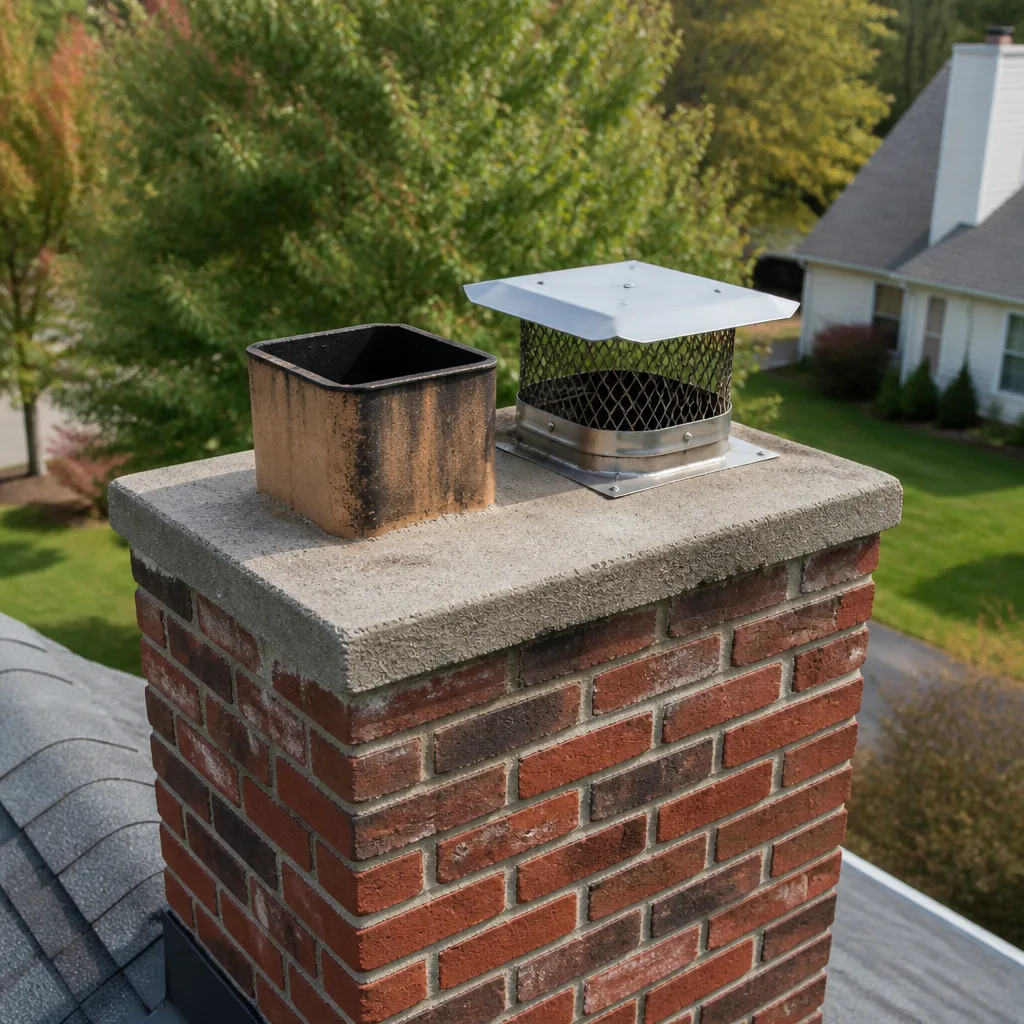
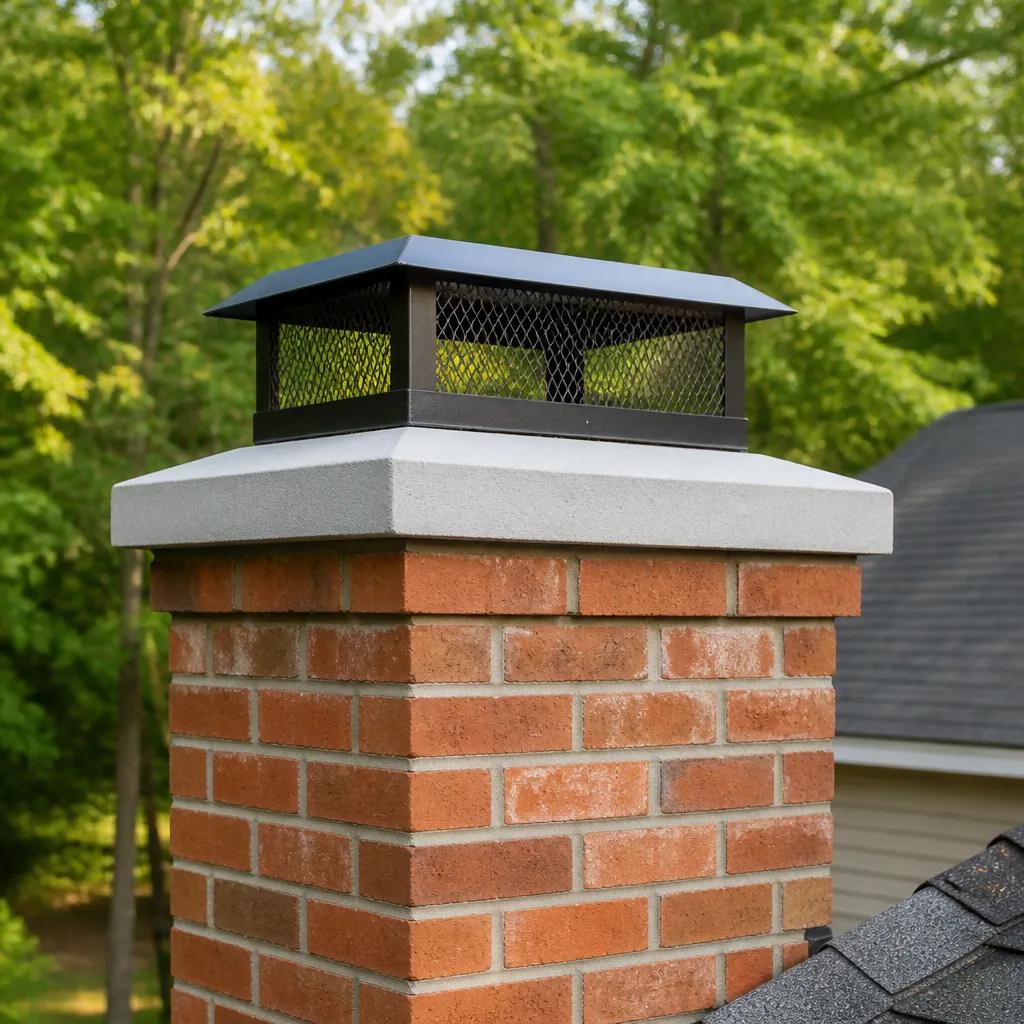
Two system components that come up repeatedly in Hyde Park inspections are the cap and crown. A working chimney cap & crown setup keeps rain, birds, and debris out of the flue and stops water from reaching the masonry. When the crown cracks or the cap is loose or missing, the system is exposed, and the pre-emergency window has already begun. That’s part of why we treat cap and crown work as a core service, not an upsell.
Common Mistakes to Avoid
- Trying to douse a chimney fire with water or a fire extinguisher from the firebox. The fire is in the flue above you, and water or powder from below can create dangerous steam and burning material where you can’t reach it. Close the damper, get out, and call 911.
- Using a chimney fire suppressant log as a maintenance tool. These are single-use emergency measures, not a substitute for a sweep, and using them without a subsequent inspection leaves you with the same underlying creosote problem.
- Assuming a fire department clearance means the chimney is safe. The fire department clears the building for occupancy. A structural inspection of the flue and surrounding masonry is a separate assessment, and it’s the one that tells you whether the fireplace can be used again.
- Continuing to burn after a smoke-back or draft problem. A draft problem can be a safety problem. In Hyde Park’s older homes, backdraft often points to a blocked flue, a damaged liner, or poor pressure balance in the building, and “we’ll deal with it in the spring” is how a small issue becomes a large repair.
- Skipping the inspection when the sweep is scheduled. A sweep removes creosote. It does not evaluate whether the liner is cracked or the crown is failing. Ask for both.
- Ignoring a CO detector that goes off for “no reason.” There is no such thing as a CO alarm with no reason. Even a brief reading is worth a professional inspection, and the risk compounds in attached and shared-chimney housing.
- Burning unseasoned wood to save money. Wet wood burns cool and leaves far more creosote. It’s the most common self-inflicted cause of a chimney fire, and it’s a predictable failure going into the winter.
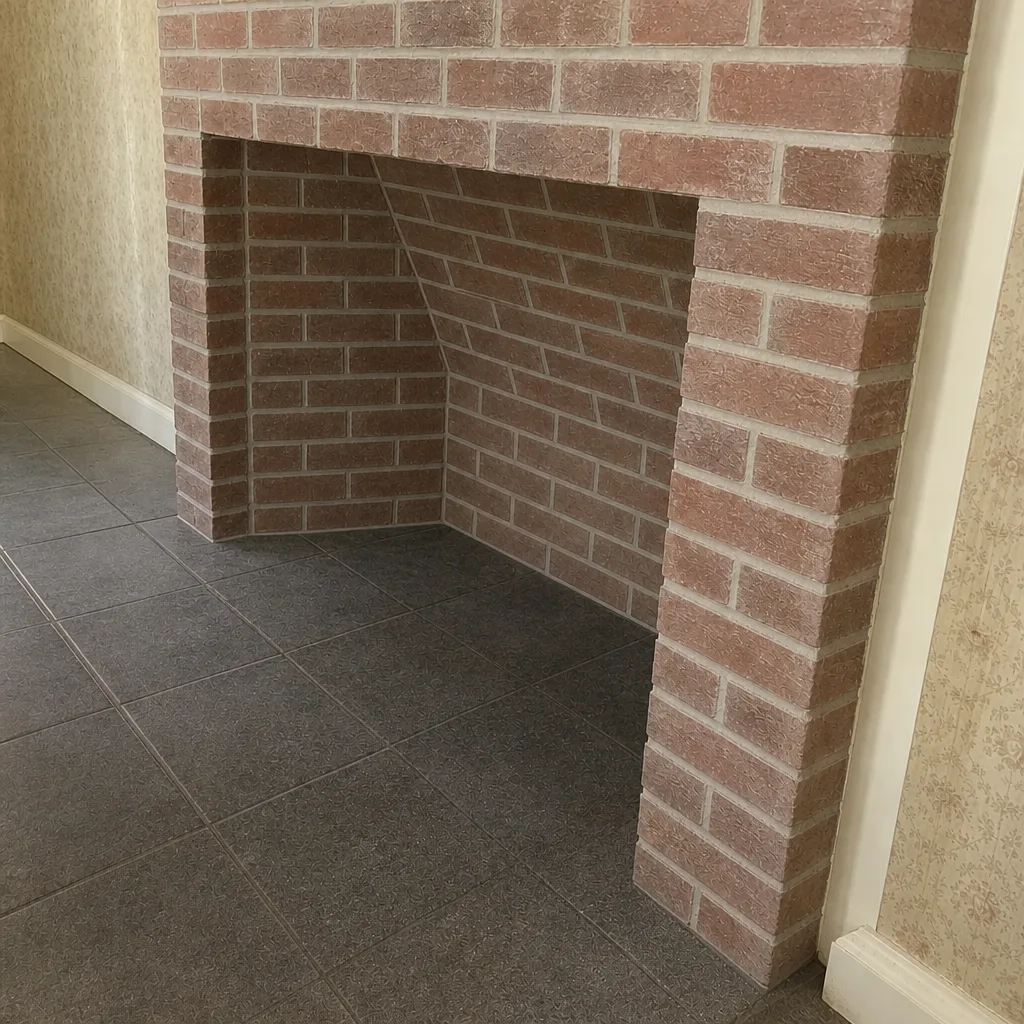
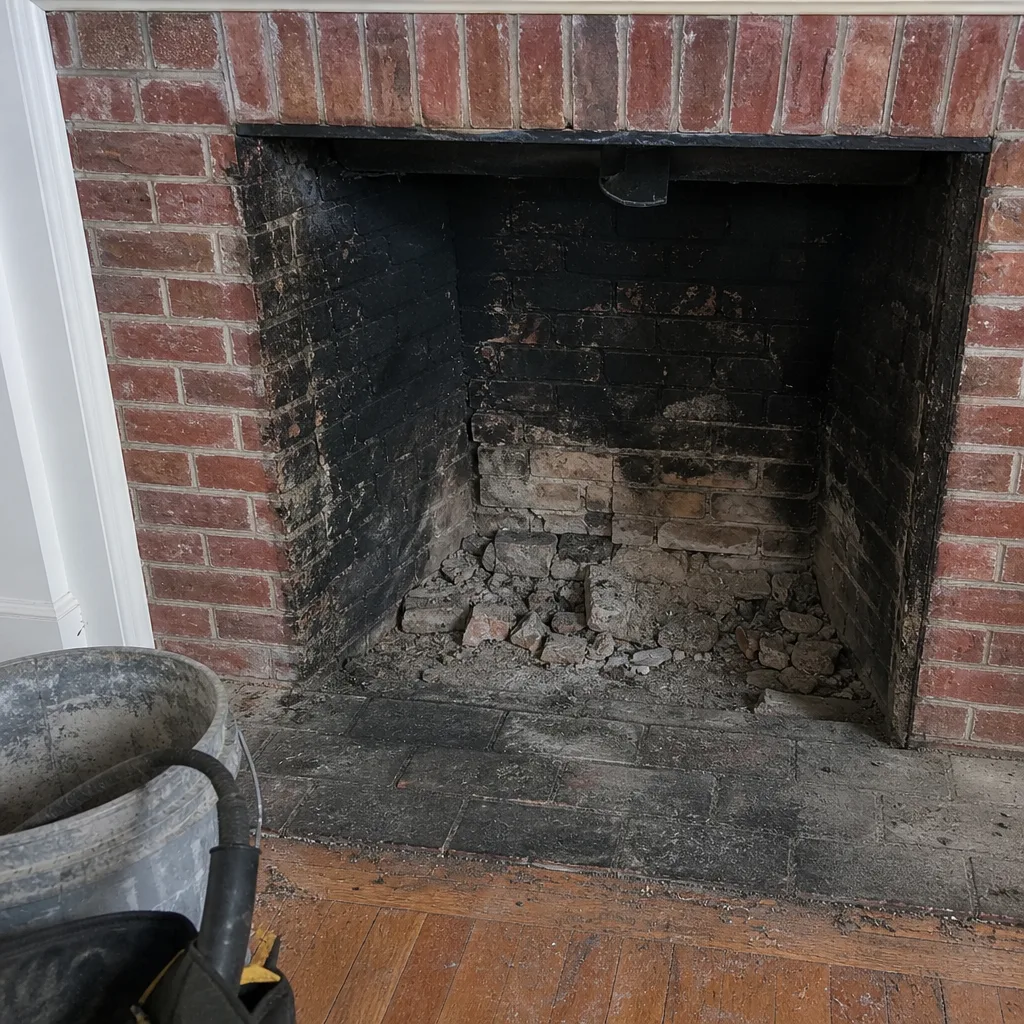
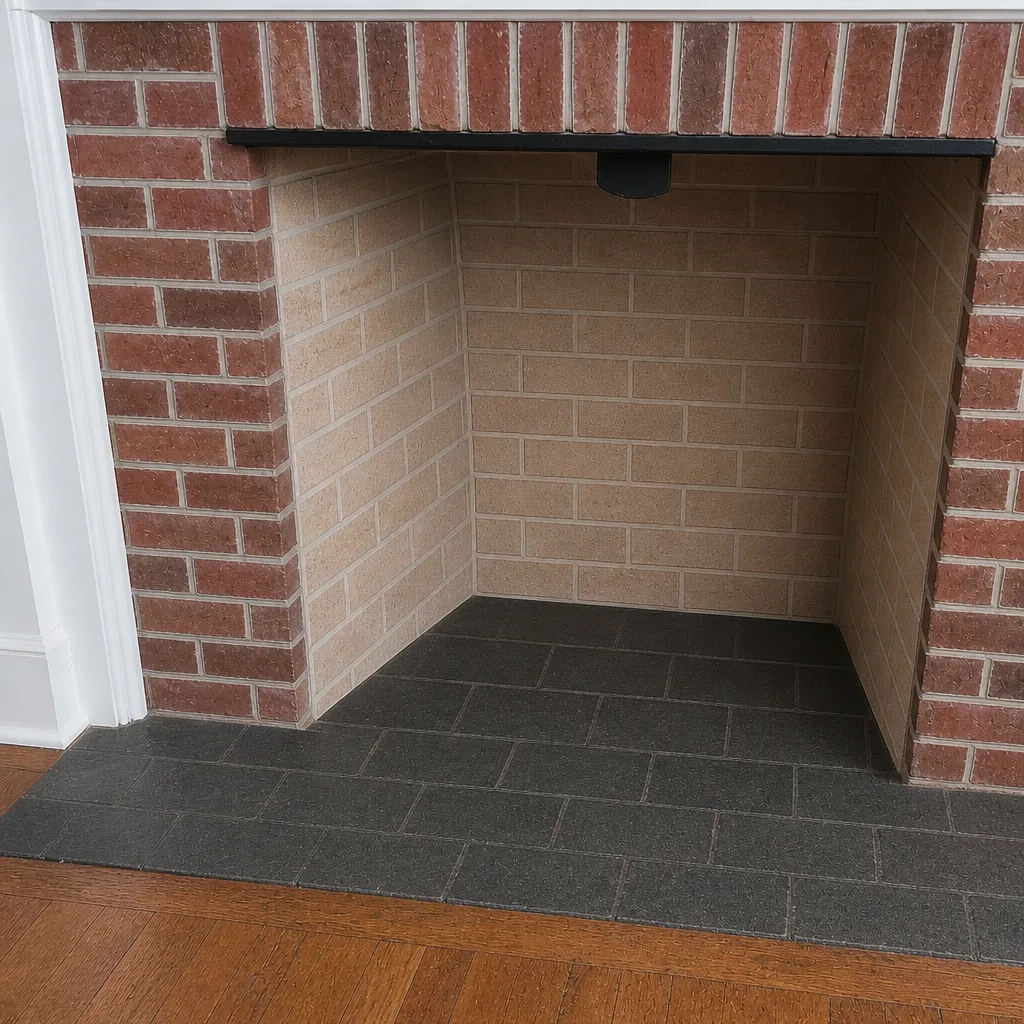
See the difference
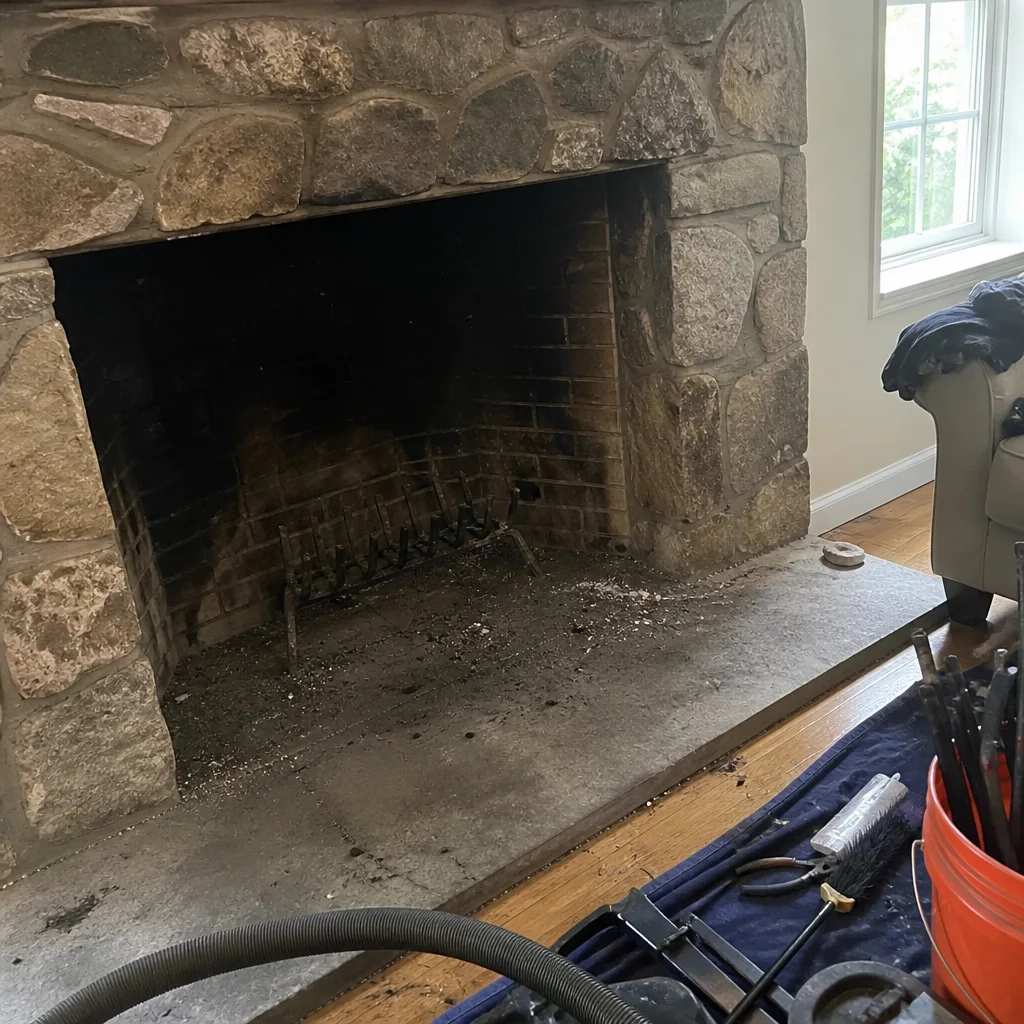 Before
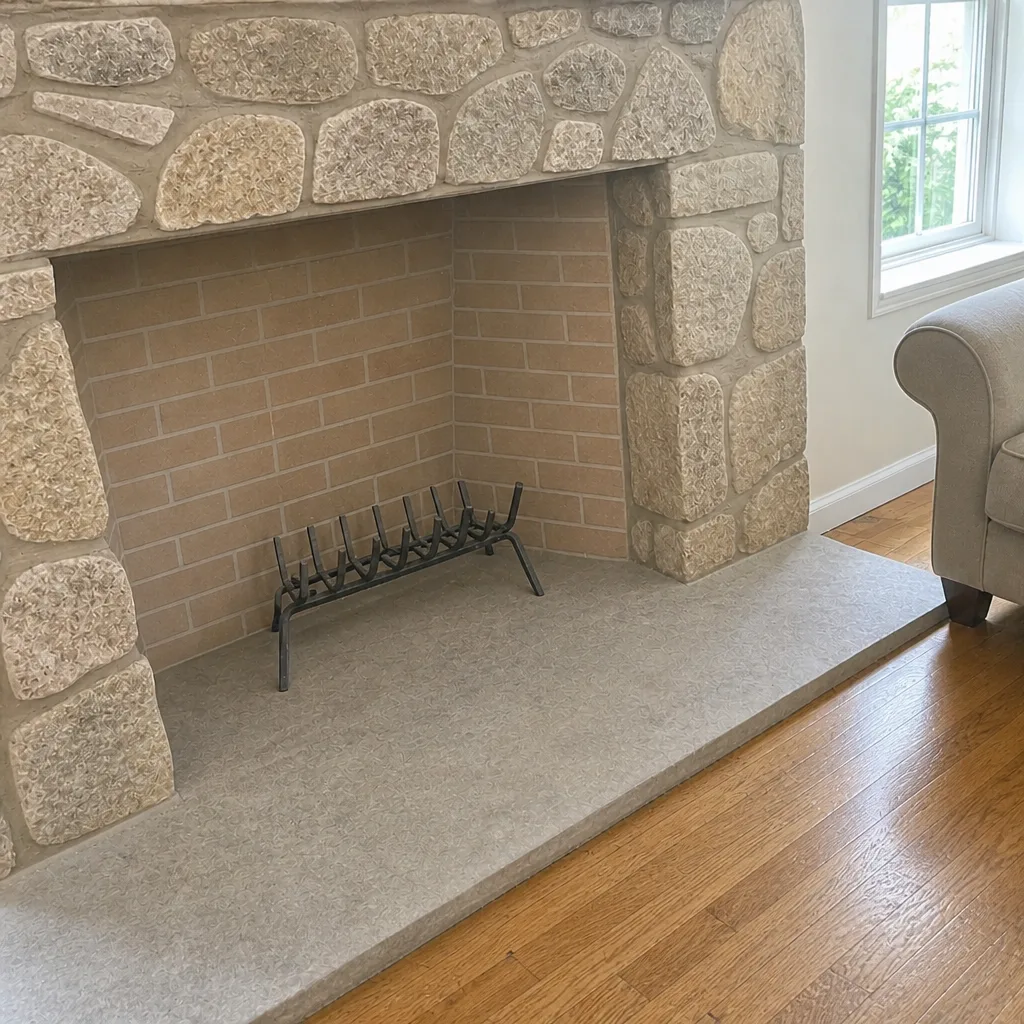 After
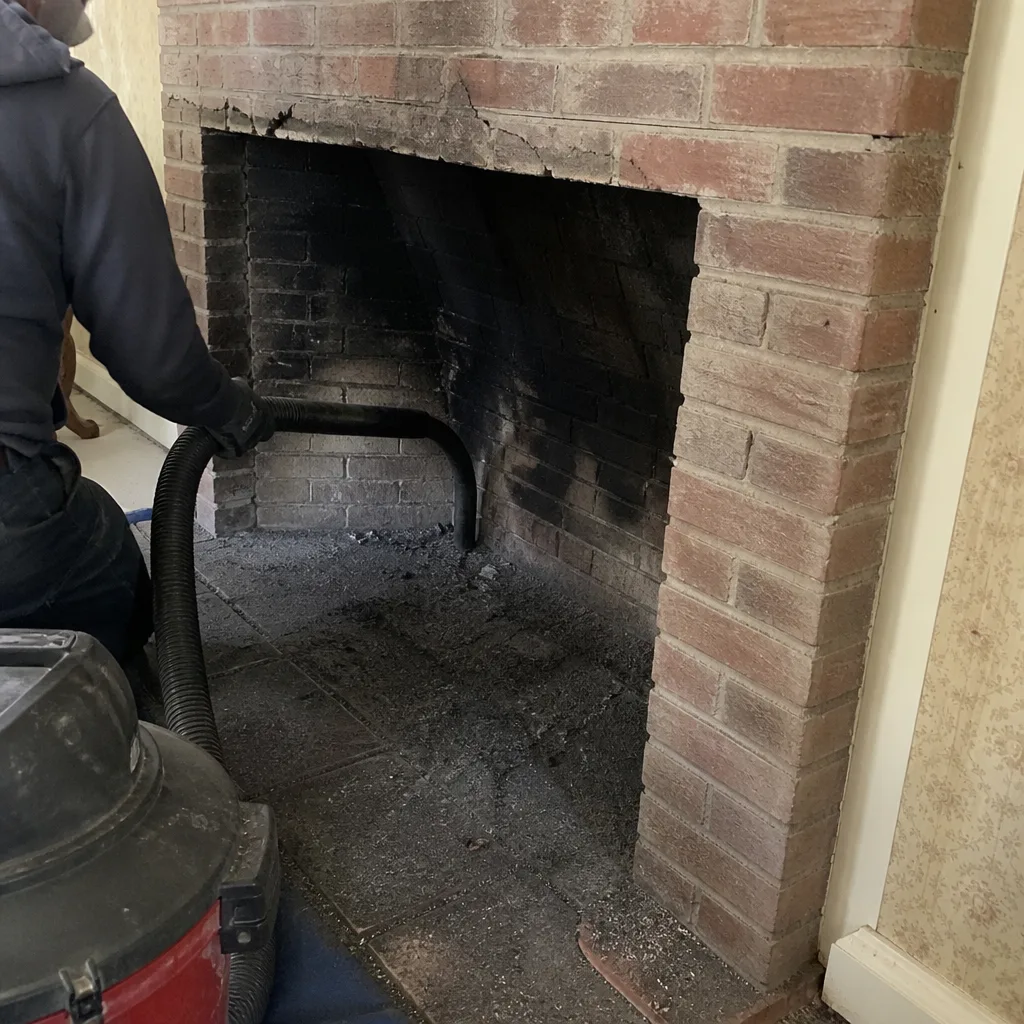 Before
 After
 Before
 After
When to Call a Professional
There’s a clear set of situations where a professional call is not optional. Call us if you’ve had any chimney fire and the fire department has cleared the scene. Call us if your carbon monoxide alarm has activated, even briefly. Call us if you see smoke backing into the room, smell a persistent smoky odor in the house, or notice visible masonry damage. Call us if you’ve recently bought a Hyde Park home and don’t know the history of the chimney, or if it’s been more than one burning season since the last sweep and inspection. Call us if a cap is missing or a crown is cracked, since water intrusion is the leading cause of long-term chimney damage in this climate. And call us if you’re planning to use a fireplace or wood stove for the first time in a while.
If you’ve noticed smoke or odor from the fireplace itself, or if the firebox lining has deteriorated, that’s a fireplace repair conversation, and it’s sometimes the first sign of a venting problem that runs up the whole chimney.
Chimney Sweep Hyde Park offers free estimates in Hyde Park. Call (877) 853-3126. We answer 24/7. Fast dispatch from 7am to 7pm, Sunday through Friday. Every visit starts with the inspection, the price is set per job by a written estimate, and the local professional we connect you with is licensed and insured as the state requires.
Frequently Asked Questions
Chimney sweeping is typically recommended once a year for a wood-burning fireplace, and more often if you burn frequently or notice glazed creosote buildup. For gas appliances, an annual inspection still matters even though there’s less creosote. The annual rhythm keeps the pre-emergency window short, which is the whole point of this guide. Call (877) 853-3126 for a free estimate on a sweep and inspection.
No. Not until a professional structural inspection has confirmed the flue, liner, and surrounding masonry are safe. A fire department clearance means the building is safe to occupy, not that the chimney is ready for another fire. Call (877) 853-3126 to schedule the inspection.
Carbon monoxide is invisible and odorless, so a CO alarm without visible smoke is normal, and it’s a real warning. It usually means a venting failure: a cracked liner, a blocked flue, or a connector problem. Get everyone outside and call 911, then schedule a professional chimney inspection before using any fuel-burning appliance. Call (877) 853-3126 for a post-alarm inspection.
Not always. Some liner damage can be repaired with HeatShield restoration instead of a full liner replacement, depending on the condition of the flue. The inspection is what determines which path applies. We’ll walk you through what the camera shows before recommending anything. Call (877) 853-3126 to schedule.
A sweep removes creosote. An inspection evaluates whether the entire system, including the liner, crown, cap, and masonry, is still doing its job. We do both in one visit: before we sweep, we inspect. That order matters because sweeping a damaged flue can make the damage worse.
Four steps cover most of it: schedule a professional sweep and inspection before the first sustained cold snap, test and place CO detectors on every occupied level, confirm your cap and crown are intact, and know where your last inspection report is. If you’re unsure about any of those, start with the inspection. Call (877) 853-3126 for a free estimate.
Creosote accumulates with every fire, and it hardens over time into a highly combustible deposit. The longer it sits, the closer you get to the conditions for a chimney fire, and the pre-emergency window gets narrower. Skipping a sweep doesn’t cause an emergency by itself; it removes the early-warning opportunity that a sweep and inspection gives you. Call (877) 853-3126 if it’s been more than one season.
The Bottom Line
Chimney emergencies in Hyde Park follow predictable failure sequences. The creosote accumulates, the liner cracks, the crown opens, or the flue blocks, and the system keeps “working fine” until it doesn’t. Preparedness isn’t about having the right hero response in a crisis. It’s about shortening the pre-emergency window with an annual inspection and sweep, keeping CO detectors active on every level, knowing the three stages of a chimney fire and the correct response, and understanding that a fire department clearance is not a structural inspection. Our technicians have up to 11 years of experience, and we work with professional-grade product lines across the whole chimney system: DuraFlex, HeatShield, Gelco, Olympia Chimney, Famco, and Copperfield. One specialist for the entire system, from the firebox to the crown.
Call (877) 853-3126 for a free estimate. We answer 24/7. Fast dispatch from 7am to 7pm, Sunday through Friday.
Written by the team at Chimney Sweep Hyde Park.