
Last updated November 25, 2026
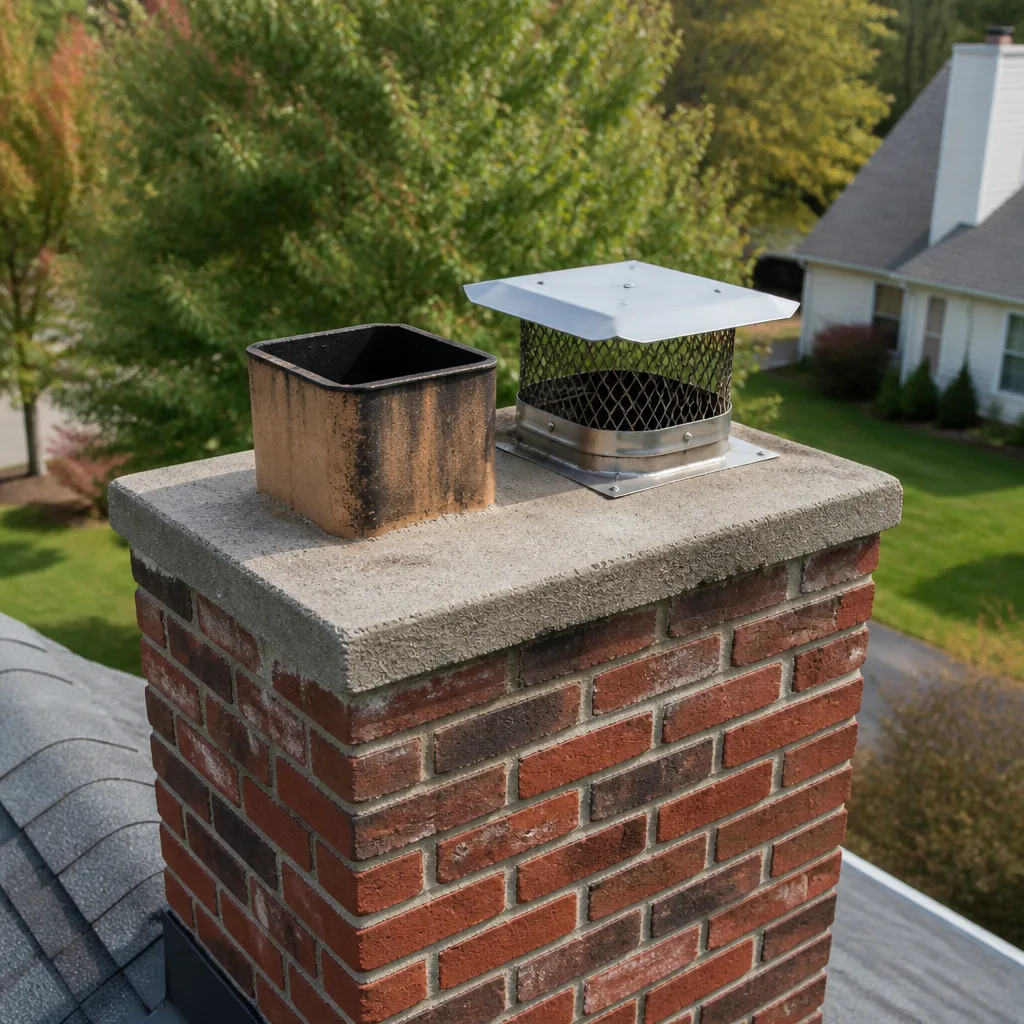 Sweep & inspection
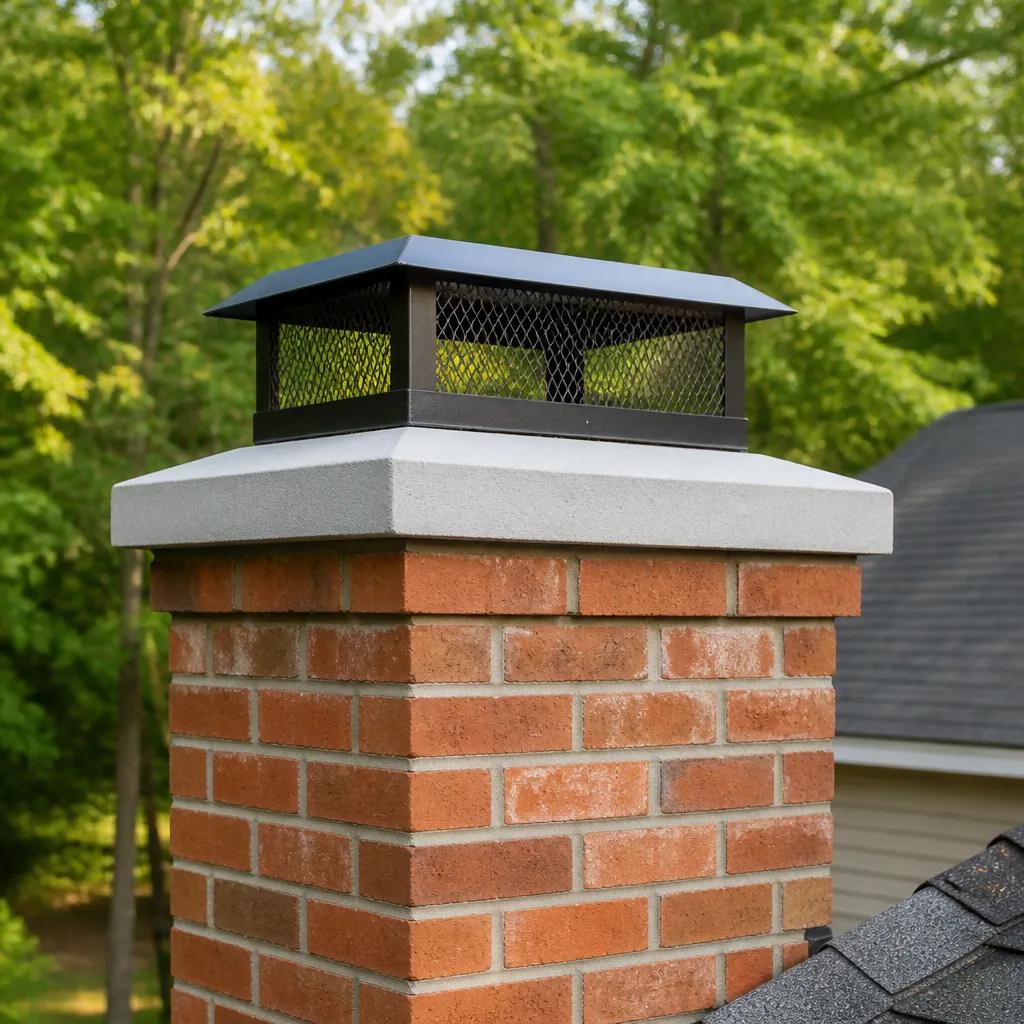 Caps & crowns
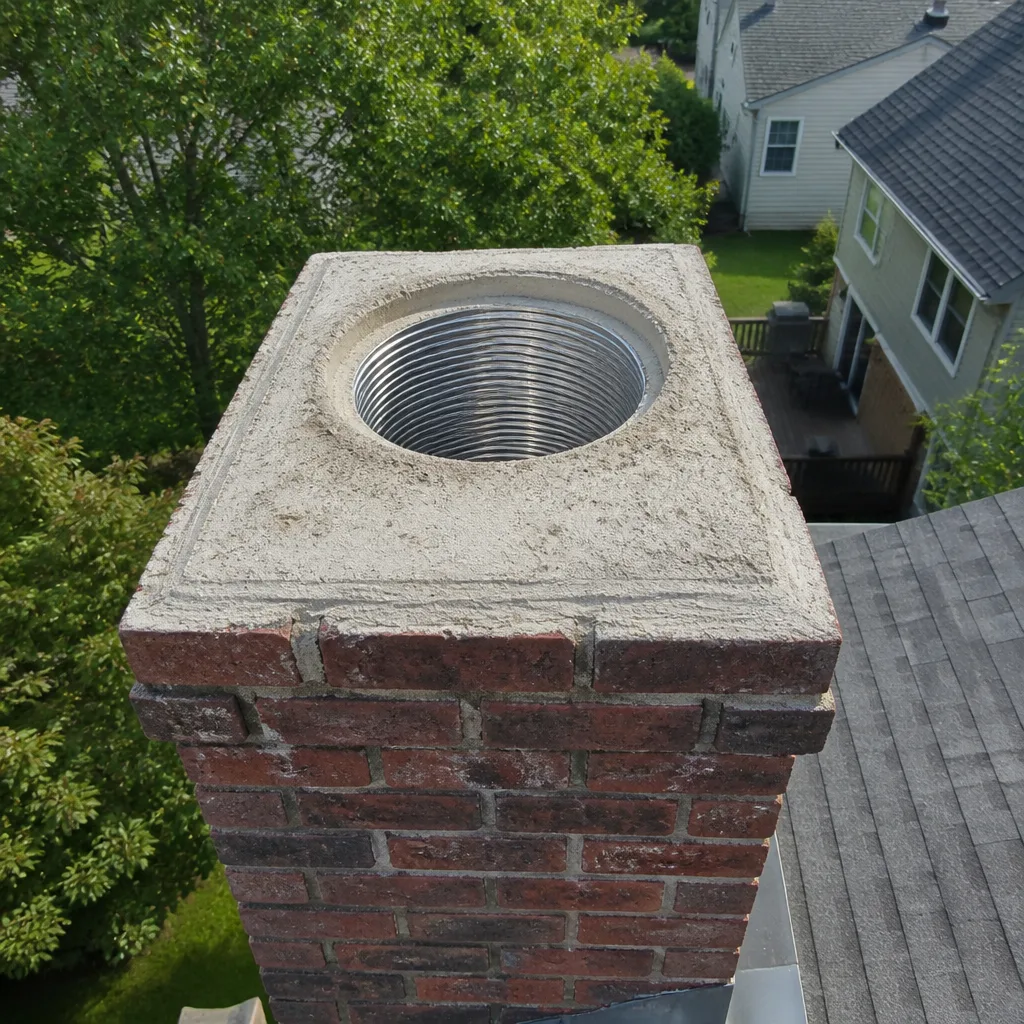 Flue relining
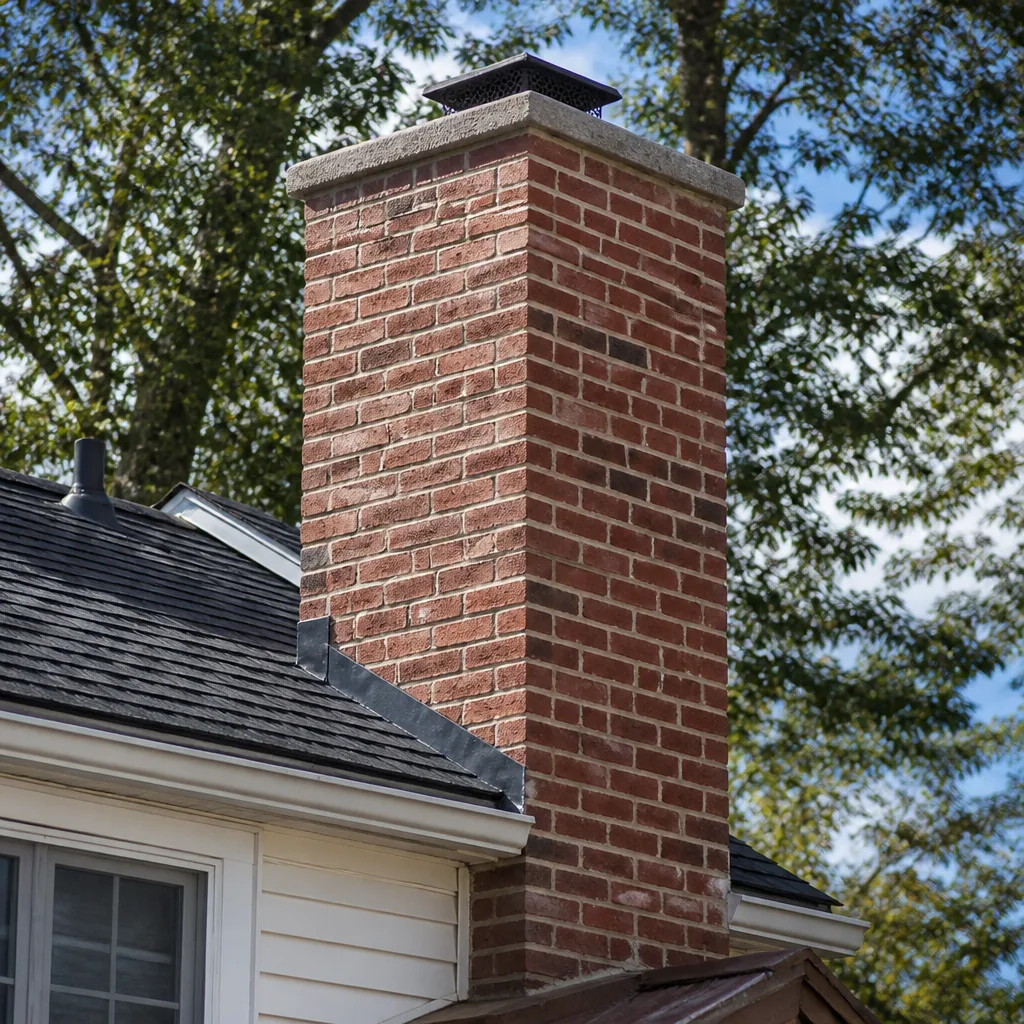 Masonry repair
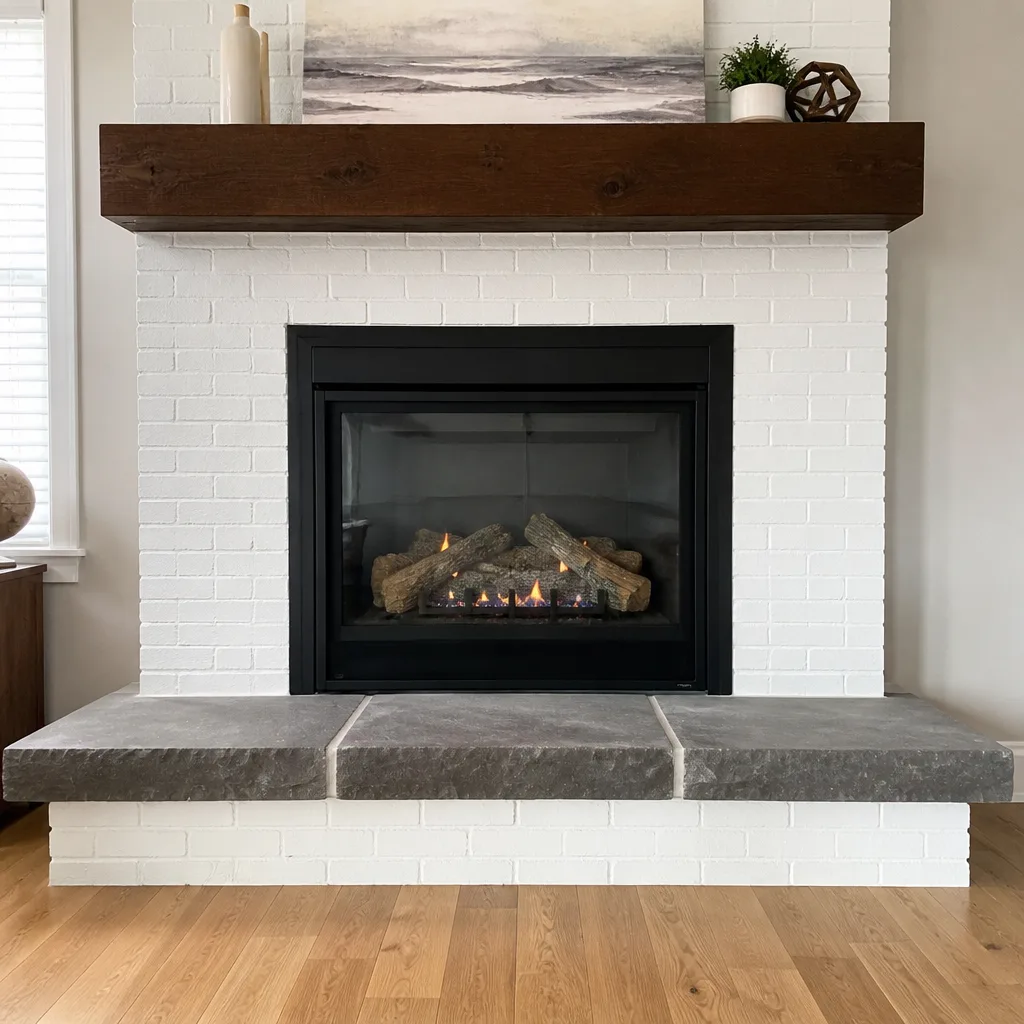 Gas fireplace service
Level 1 sweep and inspection to the NFPA 211 annual standard - flue, crown, cap, and flashing checked and photographed
Chimney sweep logs do not sweep chimneys. They loosen some creosote - which then falls where a brush and vacuum still have to collect it.
Chimney Sweep Maintenance Checklist for Hyde Park Homeowners
The chimney cap is the cheapest part of your chimney system to fix and the most expensive to ignore, yet it’s the item most Hyde Park homeowners skip on their annual walkaround. That’s because we instinctively look at the fireplace, where the flames are, when the real damage is happening fifteen feet above our heads, outside, and out of sight. In New England’s freeze-thaw climate, chimney failure follows a predictable order: crown first, liner second, firebox last. This guide organizes your maintenance checklist by that failure sequence, not alphabetical convenience, so you spend your attention where problems actually start. You’ll learn what you can safely check from the ground, what requires a professional camera, and how to build a photo record that protects you.
Quick Answer
A homeowner’s chimney maintenance checklist should be organized by failure priority, not convenience. In Hyde Park, the crown and cap fail first because freeze-thaw cycles work on exterior masonry all winter, then the liner degrades from moisture and acidic creosote, and the firebox shows damage last. Check the cap and crown from the ground every season, book a professional sweep and camera inspection based on your fuel type (annually for wood, every one to two years for gas), and photograph the crown and cap each year to build a comparison baseline. Everything below follows that exterior-to-interior order.
Styles & brands we work with
- Sweep & inspection
- Caps & crowns
- Flue relining
- Masonry repair
- Gas fireplace service
Table of Contents
- Why the Order of This Checklist Matters in Hyde Park
- What You Can Check Safely From Ground Level
- Crown and Mortar Joints: The Leading Early Indicator
- The Liner: What Moisture and Creosote Do Over Time
- Sweeping Frequency by Fuel Type
- What a Professional Camera Inspection Reveals
- Documentation Habits That Save Money
- A Seasonal Maintenance Calendar for Hyde Park
Why the Order of This Checklist Matters in Hyde Park
Most chimney checklists are organized room by room, starting at the fireplace and working up. That order gets the failure sequence backwards, and it wastes a homeowner’s limited attention on the part of the system that usually fails last. Think about how a Hyde Park chimney actually ages through a year. Winter freeze-thaw cycles are the engine of decay here: water soaks into masonry, freezes, expands, and pries the surface apart. That cycle hits the crown and the exposed brick above the roofline hardest, because they take the weather directly. It hits the firebox least, because the firebox sits inside conditioned space.
So when we open a chimney and find a rusted damper or a spalled firebox brick, the cause is usually up top, not down below. Water got in at the crown, ran down the flue, and did its damage on the way. If you check the fireplace first and it looks fine, you’ll conclude the chimney is fine, and you’ll never look at the crown until the water damage is structural. Start outside. Work in.
Hyde Park’s housing stock reinforces this. The neighborhood has a large share of older masonry chimneys with original crowns, many built as decorative brick with no cap at all. Those chimneys have survived a century of New England winters precisely because brick and mortar are forgiving, but “forgiving” isn’t “maintenance-free.” A crown that’s been shedding its surface for fifteen winters needs your attention now, not when a flue tile cracks. The whole-system view matters: your chimney is more than just your flue, and the checklist should reflect that. When you’re ready to hand the exterior and interior work to a specialist, Chimney Sweep Hyde Park covers the complete system under one roof.
What You Can Check Safely From Ground Level
You can assess a surprising amount of chimney health without a ladder, a roof, or any risk. The key rule: if it requires climbing, it requires a professional. Roofs in Hyde Park are steep and often slick, and a fall is a far worse outcome than a missed defect. What you can do is walk the perimeter of your house with binoculars and a notebook, once in spring and once in fall, and look carefully at these items.
The binocular walkaround
- The cap. Is there one? Is it level, or has it tilted? Are the mesh screens intact, or is there a gap where birds and squirrels get in? A missing or damaged cap is the single most common exterior defect we see.
- The crown. Look for cracks, and for a crown that’s pulling away from the flue tiles. A cratered or crumbling surface means the crown has lost its protective top layer.
- Mortar joints. Are the joints between bricks still full and tight, or recessed and sandy? Look for joints shedding material.
- Efflorescence. That white, powdery staining on brick is salt drawn to the surface by water moving through the masonry. It’s cosmetic on its own, but it’s telling you water is getting in.
- Tilt and lean. A chimney that leans away from the house is a structural concern, not a maintenance item. That gets a professional call, not a DIY look.
- Staining on interior ceilings and attic framing. From inside, look for water stains near the chimney chase. That’s a sign the exterior problem is already reaching the interior.
If you see any of the above, write it down with the date. This is your baseline, and it’s what a professional will want to see. If the cap is missing or damaged, that’s the first thing to address on the checklist, because nothing downstream can stay dry without it. Our chimney cap & crown work exists for exactly this reason.
Crown and Mortar Joints: The Leading Early Indicator
Mortar joint condition is the best early warning sign of crown and flue failure, and the difference between surface staining and structural spalling is the difference between a cleaning and a rebuild. Here’s how to tell them apart when you look up. Staining is a color change on the masonry surface: white efflorescence, dark water marks, or a sooty film. The brick underneath is still whole. Spalling is material loss: the face of a brick has flaked away, leaving a ragged, crumbly surface, or a mortar joint has receded so far you can see daylight between the bricks. Staining is a warning. Spalling is active damage.
In Hyde Park’s freeze-thaw climate, this distinction matters enormously. A crown is a sloped concrete or mortar cap on top of the chimney, designed to shed water away from the flue. When the crown cracks, water gets in behind the flue tiles, freezes, and expands, and it does that again every winter. A hairline crack in October becomes a spalled joint by March. This is why we treat crown repair as core maintenance rather than an optional upgrade: the cheap fix preserves the expensive part of the system.
How to read the crown condition
- Intact, with a slight slope and no cracks: healthy. Note it and move on.
- Hairline cracks visible with binoculars: early failure. Seal or repair before the next winter.
- Crumbling, cratered, or separated from the flue tiles: rebuild. The crown is no longer keeping water out.
- No crown visible at all: the original brick top is exposed, which is common on older Hyde Park homes. This needs a proper crown.
Mortar throughout the above-roof stack follows the same pattern. Fresh joints look full and slightly proud of the brick. Compromised joints look recessed, loose, or sandy when you touch them, and you’ll often find loose chunks in the gutter or on the driveway below the chimney. Repointing the joints is normal maintenance on a masonry chimney, and catching it early is far cheaper than rebuilding the stack. When you’re planning that work, a local chimney sweep can assess the whole exterior and tell you which items are urgent and which can safely wait.
The Liner: What Moisture and Creosote Do Over Time
The flue liner is the pipe inside your chimney that carries smoke and gases up and out. It’s the part no homeowner can see from the ground or from the hearth, and it’s the part where the consequences of a decade of deferred maintenance show up. A liner fails in two main ways, and both trace back to the same two substances: moisture and creosote.
Creosote is a natural byproduct of burning wood. It builds up on the flue walls as a flammable, tar-like deposit, and its depth and consistency determine how often the flue needs to be swept. The glazed, hardened creosote is the dangerous kind, and it’s a chimney fire risk. Moisture is the other half. If the crown is leaking or the cap is missing, water enters the flue, mixes with creosote, and turns acidic. That combination corrodes the liners we see in older Hyde Park homes: clay tile liners cracking and spalling, or in some cases no proper liner at all.
Signs the liner needs professional attention
- Smoke rolling into the room instead of going up the flue.
- A strong creosote or campfire smell when the chimney is not in use.
- Visible cracked or missing clay tile edges, if the damper has a view into the flue.
- A draft that’s noticeably weaker than previous seasons.
When a liner is damaged, the answer isn’t always a full replacement. HeatShield liner restoration lets us repair and resurface a damaged clay flue from the inside, which can save the cost of a complete liner job and the disruption that comes with it. It’s the kind of capability that separates a chimney specialist from a handyman who sweeps flues on the side. A damaged liner is a fire hazard and a carbon monoxide path into your home, so it’s a genuine safety issue, never an upsell.
Sweeping Frequency by Fuel Type
The right sweeping cadence depends on what you burn, because each fuel loads the flue with a different type and volume of deposit. Sweeping on a wood-burning schedule when you have a gas insert wastes money, and sweeping on a gas schedule when you burn wood leaves dangerous creosote in place. Match the cadence to the fuel.
Cadence by fuel at a glance
- Wood-burning fireplace or stove: sweep annually with regular use. Wood produces creosote, and more frequent burning or burning unseasoned wood means more deposit.
- Gas insert or fireplace: inspect and sweep every one to two years. Gas produces far less creosote, but it produces condensation that can corrode the flue over time.
- Oil-fired appliance (furnace or boiler vented through the chimney): annual service. Oil leaves soot and sulfur deposits that degrade the liner if ignored.
- Pellet stove: annual sweep of the flue, in line with the appliance maker’s service guidance.
Whatever fuel you burn, the operating rule is the same: if you can’t see the inside of the flue, you don’t know its condition, and “I don’t burn much” is not a safety certificate. A flue that sits idle with a cracked crown still takes on water all winter. In our experience, the homeowners who need a sweep most are often the ones who light a fire just a handful of times a year. The chimney still needs to be checked by a professional with a camera, because that’s the only way to know what the last ten winters did to it. Book the inspection for the season you’re in, not the season you remember.
What a Professional Camera Inspection Reveals
A proper chimney inspection is a camera job, not a peek down the flue from the hearth, and it should produce a photo report you keep and compare year over year. Before we sweep, we inspect. The camera sees what the eye can’t: the full length of the flue, the condition of the liner joints, the interior of the smoke chamber, and any obstruction. That’s the evidence base for every recommendation we make, and it’s how you avoid being told you need work you can’t verify.
Here’s what a professional inspection at Chimney Sweep Hyde Park looks like, step by step:
- Exterior assessment. Cap, crown, flashing, and mortar joints, evaluated against the previous year’s photos.
- Firebox and damper check. The inside of the firebox, the damper operation, and the smoke chamber above it.
- Video camera sweep. A camera travels the full flue to record liner condition, joint separation, and creosote depth.
- Sweep. The flue is cleaned with the right tooling for the liner material and deposit type.
- Photo report. You receive images of what the camera found, along with a clear recommendation on what’s urgent and what can wait.
The report is the point. It’s what makes the difference between a specialist and someone guessing. When a liner repair is needed, we work with professional-grade products like HeatShield and Olympia Chimney because the job has to last another winter and more. Our technicians have up to 11 years of experience, and if anything on the report needs work, we’ll tell you plainly what’s urgent and what can safely wait.
Documentation Habits That Save Money
Photograph your crown and cap every year from the same two or three angles, at the same time of year. That single habit creates a comparison baseline that saves you money on disputed repair claims, and it costs you nothing but a phone and a few minutes. When a chimney professional tells you the crown has failed, you can pull up last year’s photo and see whether the crack is new, growing, or unchanged. When you’re selling a Hyde Park home, you can hand a buyer a documented maintenance history instead of a shrug.
The same principle applies to keeping the inspection report. Store the annual photo report with your home records, note the date of each sweep, and note the fuel type and frequency of use. A chimney with a documented history of yearly inspection and timely repairs is a straightforward tool for a buyer to assess. A chimney with no records forces the buyer to assume the worst, and the worst assumption costs you money at closing.
Set a reminder for the same week each year. Take the photos, book the inspection, and file the report. In a climate where a crack grows over a single winter, the baseline is what lets a specialist tell you precisely which defects are new and which are simply old and stable. That’s information gain on your own chimney, and it’s the difference between a homeowner making a confident decision and one making a guess.
A Seasonal Maintenance Calendar for Hyde Park
The best time to check a chimney is not the moment you want a fire, but the season before. Here’s the annual cadence we recommend for a Hyde Park home, organized around the freeze-thaw calendar rather than the urge to burn.
Spring (after the last fire)
Book the inspection and sweep for the system you’ve just used all winter. Spring is the ideal time to sweep out a winter’s creosote and soot, and it’s the ideal time to catch winter damage while the evidence is fresh. Have the cap and crown photos taken before any repairs are done.
Summer (repair season)
This is the repair window. Crown work, repointing, cap installation, and liner restoration are all easier to schedule and complete outside the heating season. Warm, dry weather helps masonry work cure properly. If your inspection flagged anything structural, there’s no reason to wait until the first cold snap makes the phone line busy.
Fall (before the first fire)
Photograph the crown and cap again. Look for new cracks that appeared over the summer. Test that the damper opens and closes freely. Confirm the cap is intact before leaves and animals make their way in. If you have a wood supply, choose well-seasoned wood; wet wood feeds creosote.
Winter (in-season care)
Check the firebox and smoke chamber visually now and then. Don’t burn trash or Christmas wrapping in the fireplace. Keep an eye out for weak draft or smoke backdraft, and if the smell of creosote is strong when the chimney isn’t in use, stop using it and call a professional. A chimney fire or carbon monoxide buildup is a genuine hazard, and no stack of firewood is worth either.
If any item on this checklist needs a professional eye, our fireplace repair work handles the damage that started as a crown leak. Call (877) 853-3126. We answer 24/7. Fast dispatch from 7am to 7pm, Sunday through Friday.
Common Mistakes to Avoid
- Skipping the crown because the fireplace looks fine. The fireplace is the last place the failure shows up. Look up top first. If the crown is failing, the firebox is still fine today, but it won’t stay that way through another winter.
- Assuming a sweep is a full inspection. A sweep cleans the flue. An inspection with a camera finds the crack, the joint separation, or the obstruction that sweeping leaves behind. Insist on the camera and the photo report.
- Sweeping on the wrong schedule for the fuel. Using a wood-burning cadence for a gas insert wastes money, and using a gas cadence for wood can leave dangerous creosote in the flue. Match the cadence to what you burn.
- Ignoring mortar joints because they’ve been that way for years. Recessed, sandy joints progress every freeze-thaw cycle. Catching them at the repointing stage is far cheaper than rebuilding the stack.
- Going without a cap. An uncapped flue lets in rain, birds, squirrels, and cold air. It’s the cheapest neglect to correct and the most expensive to leave alone.
- No photo record. Without a yearly baseline for the crown and cap, every defect looks new and every repair estimate is harder to judge. A few minutes with a phone changes that.
- Burning unseasoned wood. Wet wood produces more creosote and more smoke. Seasoned wood costs the same at the pile and saves you the liner.
When to Call a Professional
Call a professional when you see a missing or damaged cap, a cracked or crumbling crown, spalling on the brick or mortar joints, or a chimney that leans. Call when smoke rolls into the room, when the chimney smells of creosote while idle, or when there’s water staining near the chimney chase inside the house. Call if you’ve never had the chimney inspected by camera, or if it’s been years and you don’t have a record. And call whenever a safety concern is on the list, because a chimney fire or carbon monoxide issue is not something a homeowner’s inspection can rule out. Chimney Sweep Hyde Park offers free estimates in Hyde Park, call (877) 853-3126. We answer 24/7. Fast dispatch from 7am to 7pm, Sunday through Friday. The estimate sets the price before any work is booked.
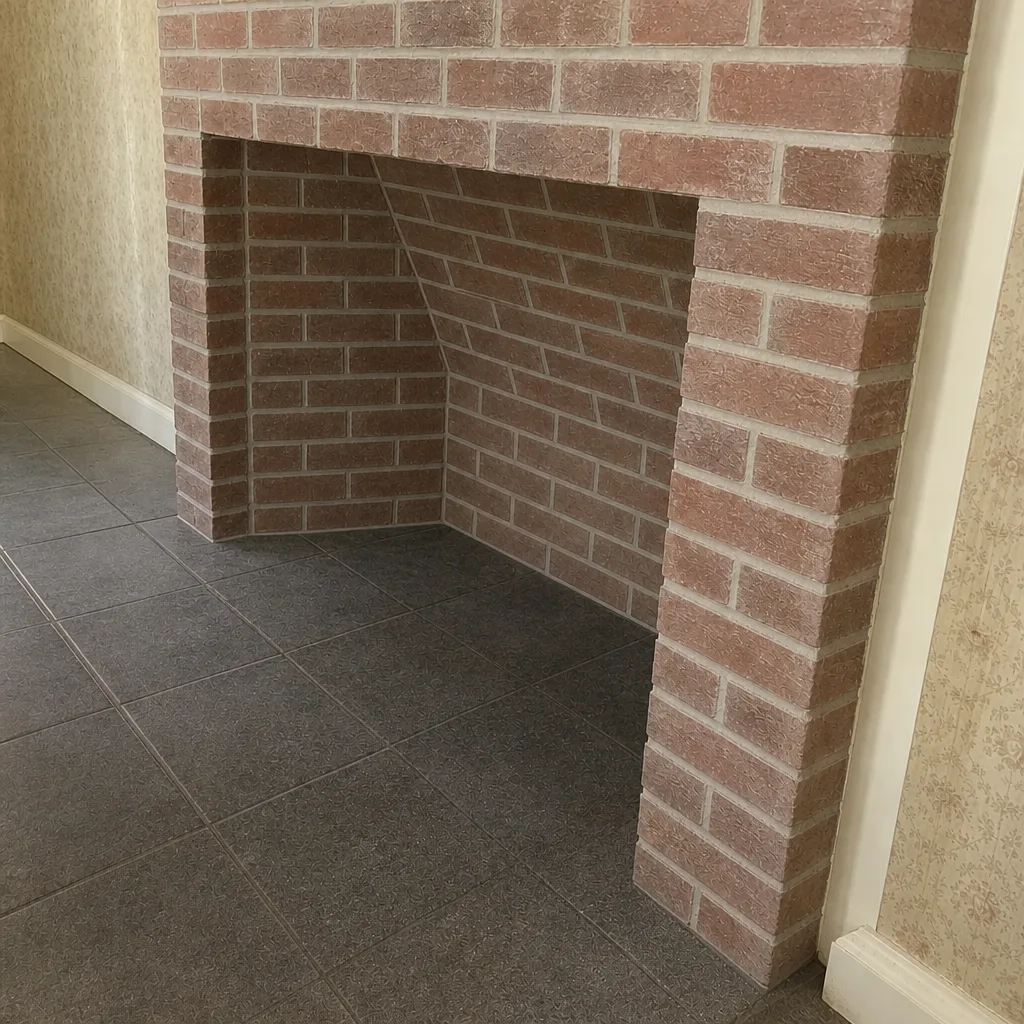
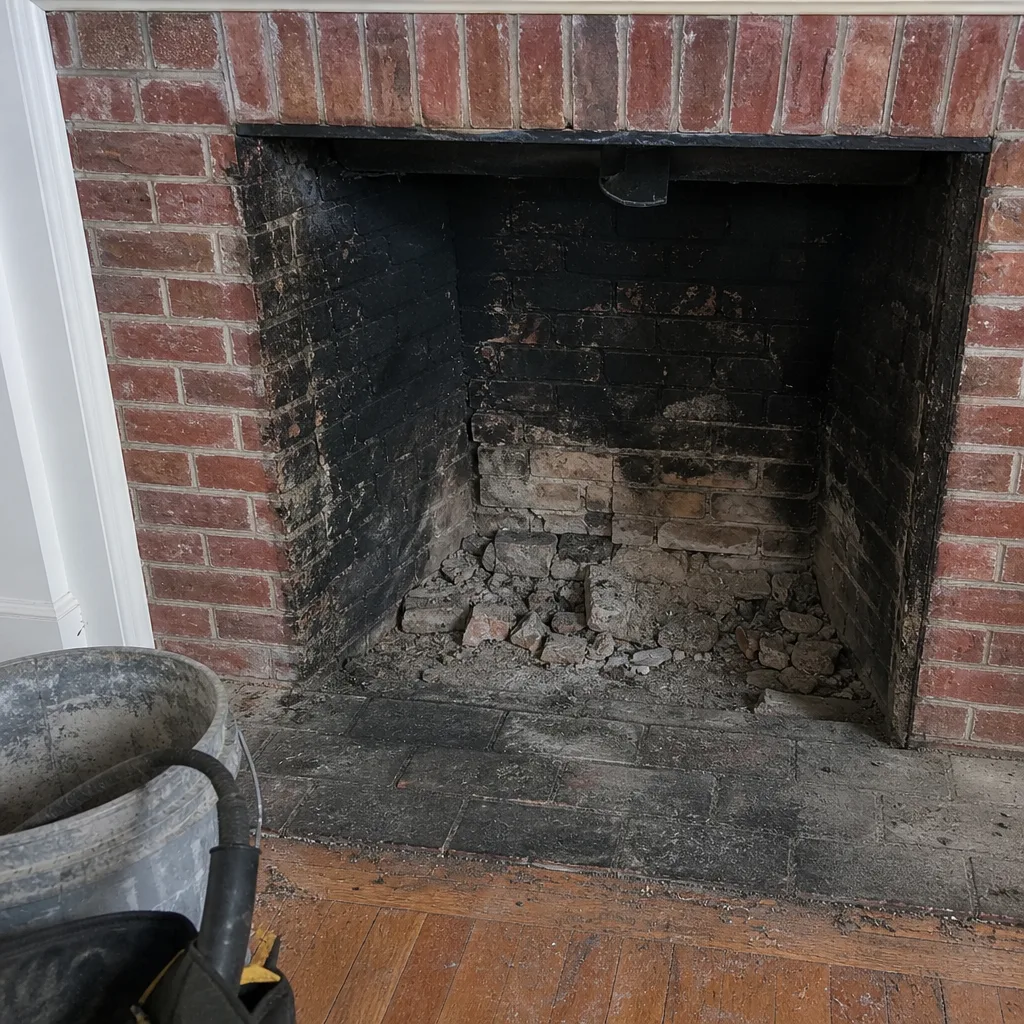
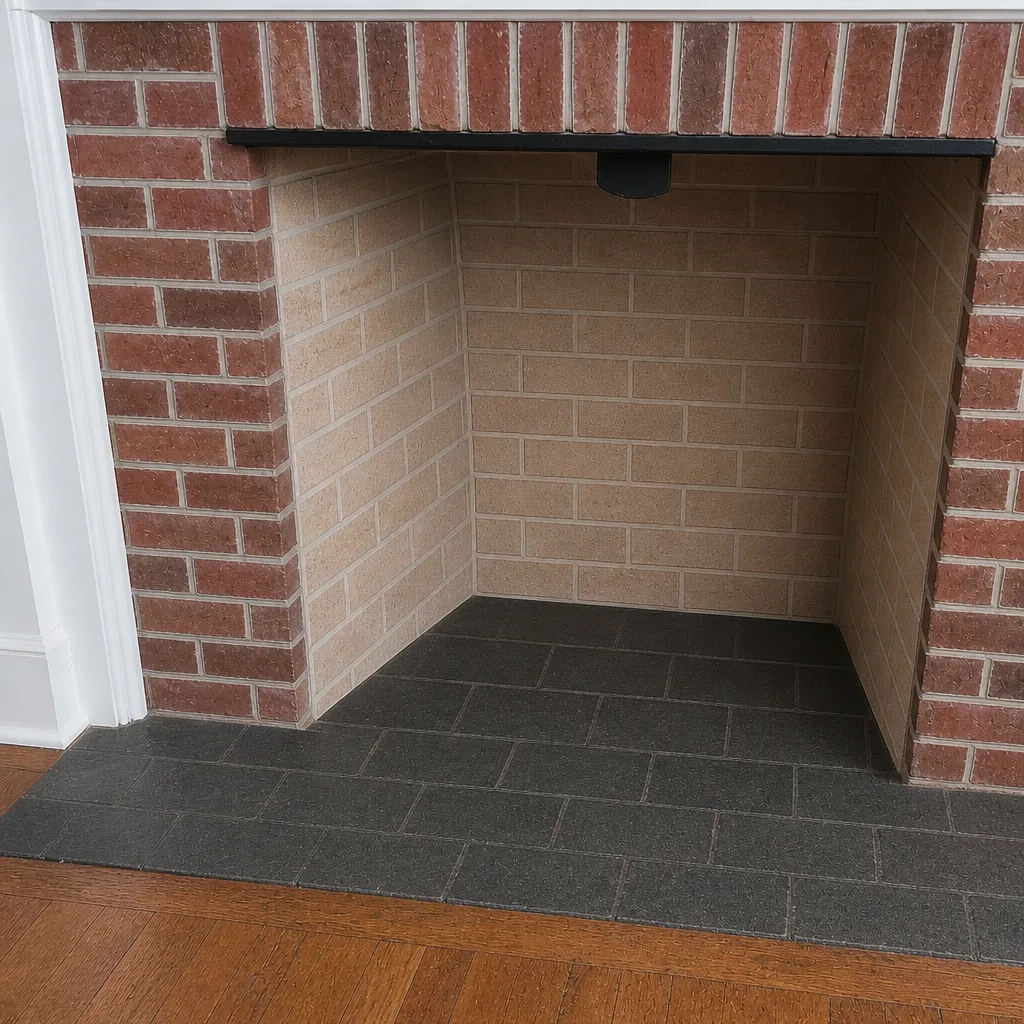
See the difference
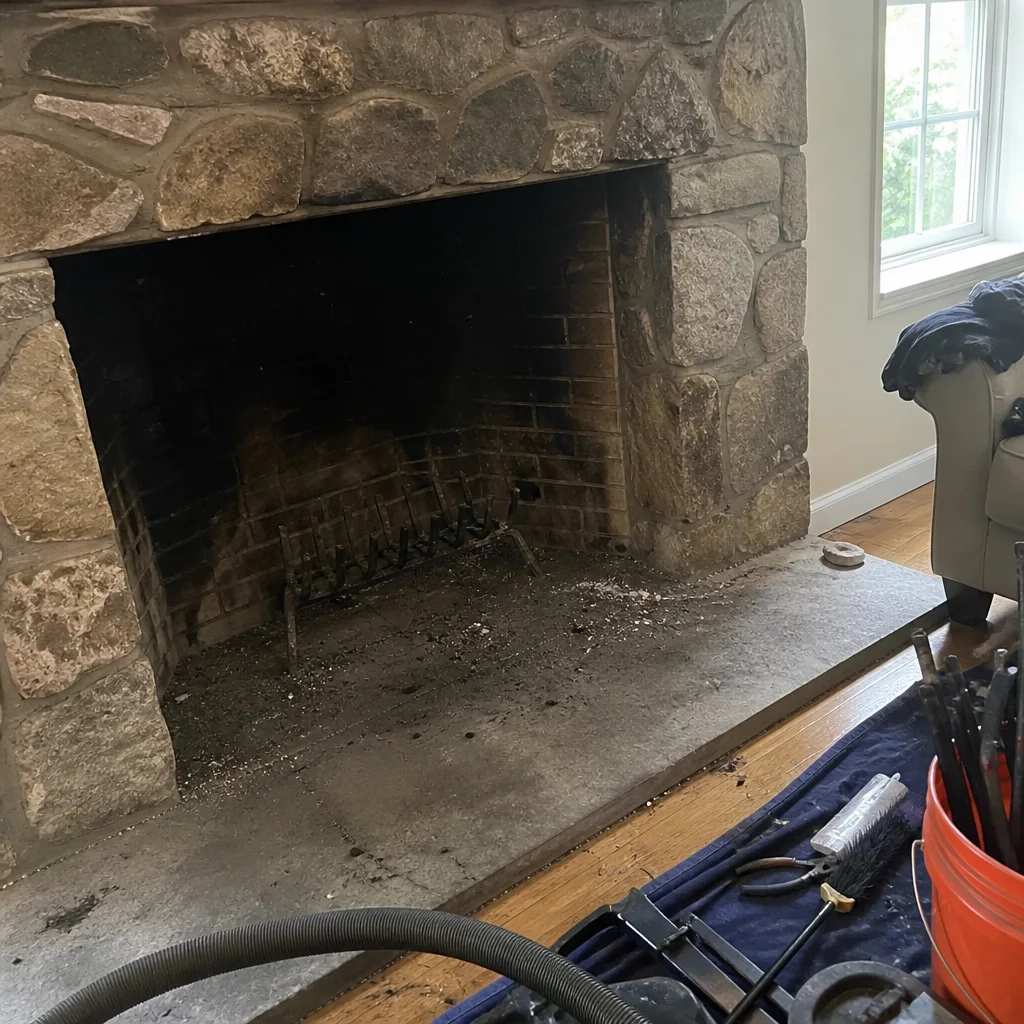 Before
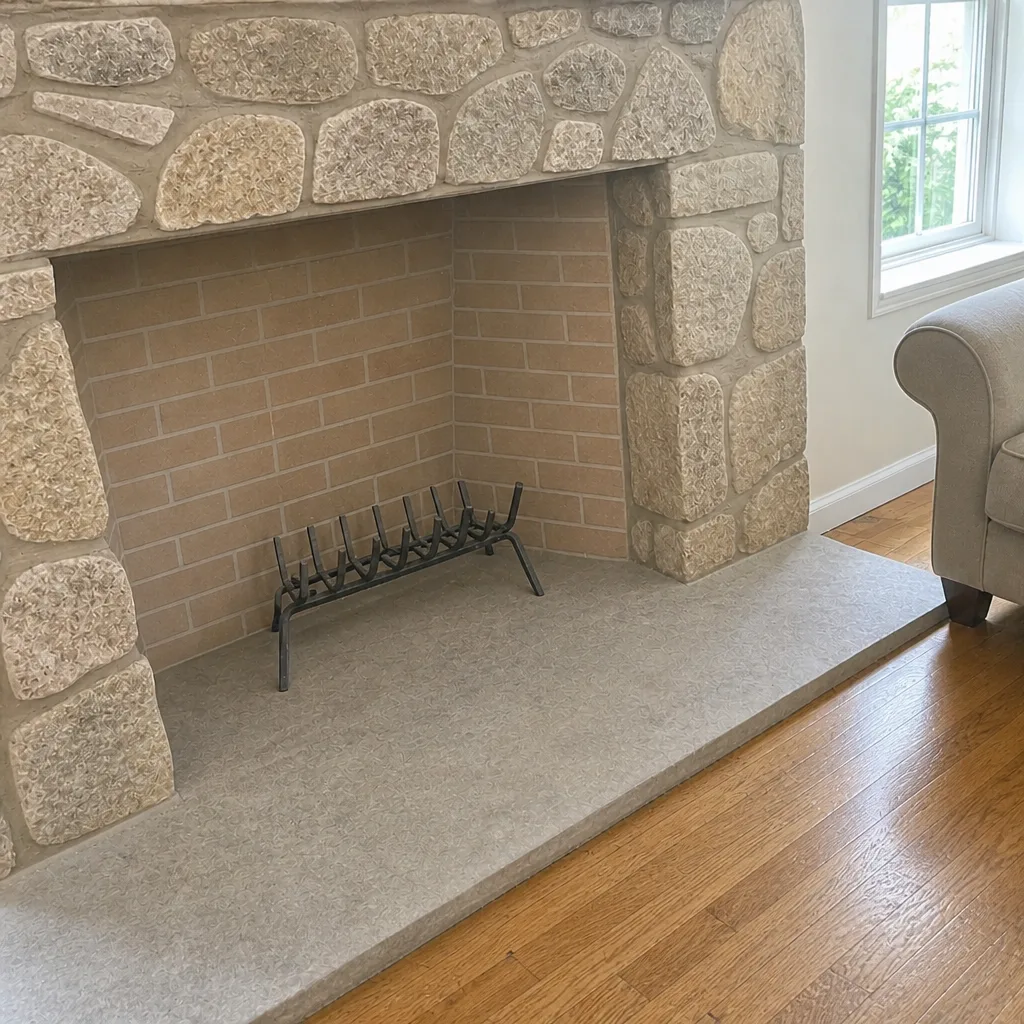 After
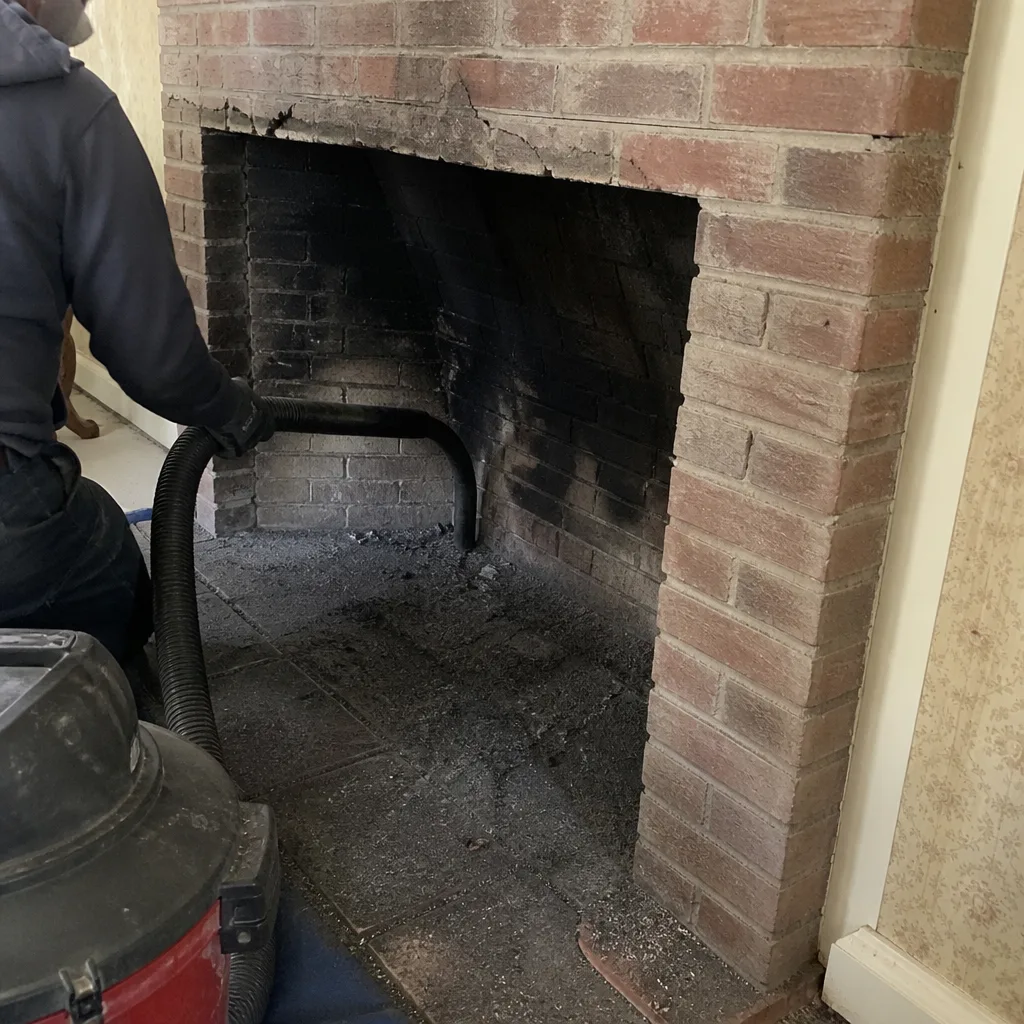 Before
 After
 Before
 After
Frequently Asked Questions
Sweep a wood-burning chimney annually with regular use, and inspect and sweep a gas insert or fireplace every one to two years. Oil-fired appliances vented through the chimney get annual service. Book the sweep by fuel type and use level, not by the calendar alone, because each fuel loads the flue differently. If you’re unsure which cadence applies to your system, call (877) 853-3126 for an exact quote and a recommendation. Estimates are free.
Check the cap and crown first, from the ground with binoculars. In Hyde Park’s freeze-thaw climate, the exterior fails before the interior because the crown and cap take the weather directly. A missing cap or a cracked crown lets water in, and everything downstream, including the liner and firebox, suffers as a result. You can safely check these from ground level; anything that needs a ladder or a roof gets a professional.
Staining is a color change on the masonry surface, like white efflorescence or a dark water mark, with the brick still whole underneath. Spalling is actual material loss: brick faces flaking away or mortar joints receded so far you can see between them. Staining is a warning; spalling is active damage that worsens every freeze-thaw cycle. When you’re looking up at the crown, that distinction tells you whether you’re looking at cleaning or repair.
A camera inspection is what finds the defects a sweep can’t, including cracked liner joints, interior spalling, and obstructions. A sweep cleans the flue; an inspection proves its condition and gives you a photo report you can compare year over year. The report is what turns a repair recommendation into evidence you can see for yourself, rather than a claim you have to take on faith. Call (877) 853-3126 to book a sweep and inspection together.
Often, yes. HeatShield liner restoration resurfaced and repairs a damaged clay flue from the inside, which can save the cost and disruption of a full liner replacement. Whether restoration is the right approach depends on the camera findings and the extent of the damage, and we’ll tell you plainly when restoration will work and when a full liner is the honest answer. The written estimate sets the final price before anything is booked.
The failure sequence runs crown, then liner, then firebox, and each stage is more expensive than the one before it. A skipped crown repair lets water into the flue, and that water corrodes the liner and feeds acidic deposits that combine with creosote. The result is a chimney fire risk and a carbon monoxide path into the home. It’s not a scare tactic; it’s the same sequence we see every winter in Hyde Park. If it’s been years since service, call (877) 853-3126. Estimates are free.
The Bottom Line
A chimney maintenance checklist only earns its keep when it’s organized by what actually fails first. In Hyde Park, that order is crown, then liner, then firebox, driven by the freeze-thaw cycles that work on exterior masonry all winter. Check the cap and crown from the ground every season, protect the system with a proper crown and cap before the cold sets in, match your sweep cadence to your fuel type, and insist on a camera inspection with a photo report. Keep the photos year over year, and you’ll have a baseline that makes every repair decision easier to judge and every estimate easier to trust.
Related Reading on Chimney Health
- Chimney Sweep Hyde Park – the complete chimney system under one specialist.
- chimney sweep – what a professional sweep involves and how to book one.
- chimney cap & crown – the preventive exterior work that protects everything downstream.
- fireplace repair – fixing the interior damage that often starts as a crown leak.
Fees, Pricing, and What to Expect
Chimney work is priced per job by a written estimate, and the estimate is free. You’ll know the price before anything is booked, and there are no fees attached to coming out to look. The written estimate is what sets the final price, not a number quoted over the phone, because the camera and the exterior walkaround tell the real story. When you’re ready, call (877) 853-3126. We answer 24/7. Fast dispatch from 7am to 7pm, Sunday through Friday.
Written by the team at Chimney Sweep Hyde Park.