
Last updated November 25, 2026
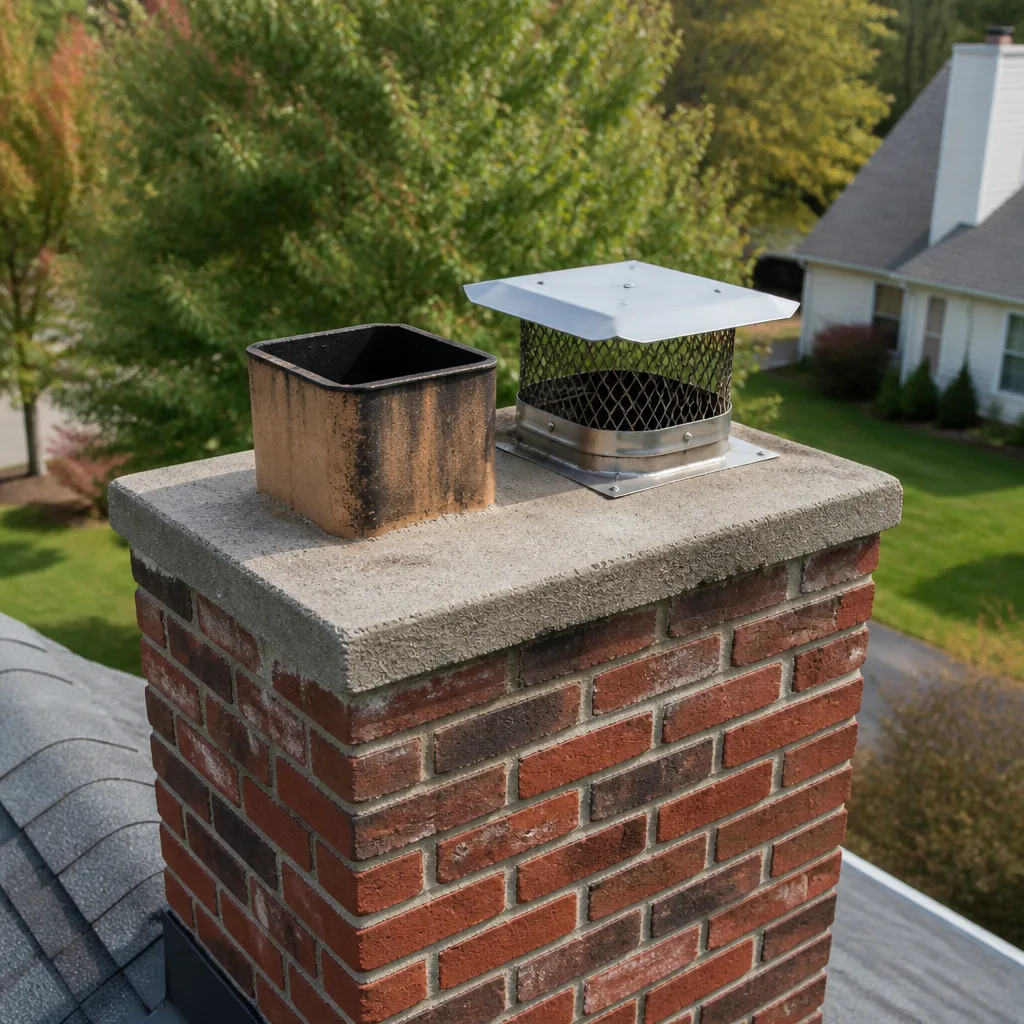 Sweep & inspection
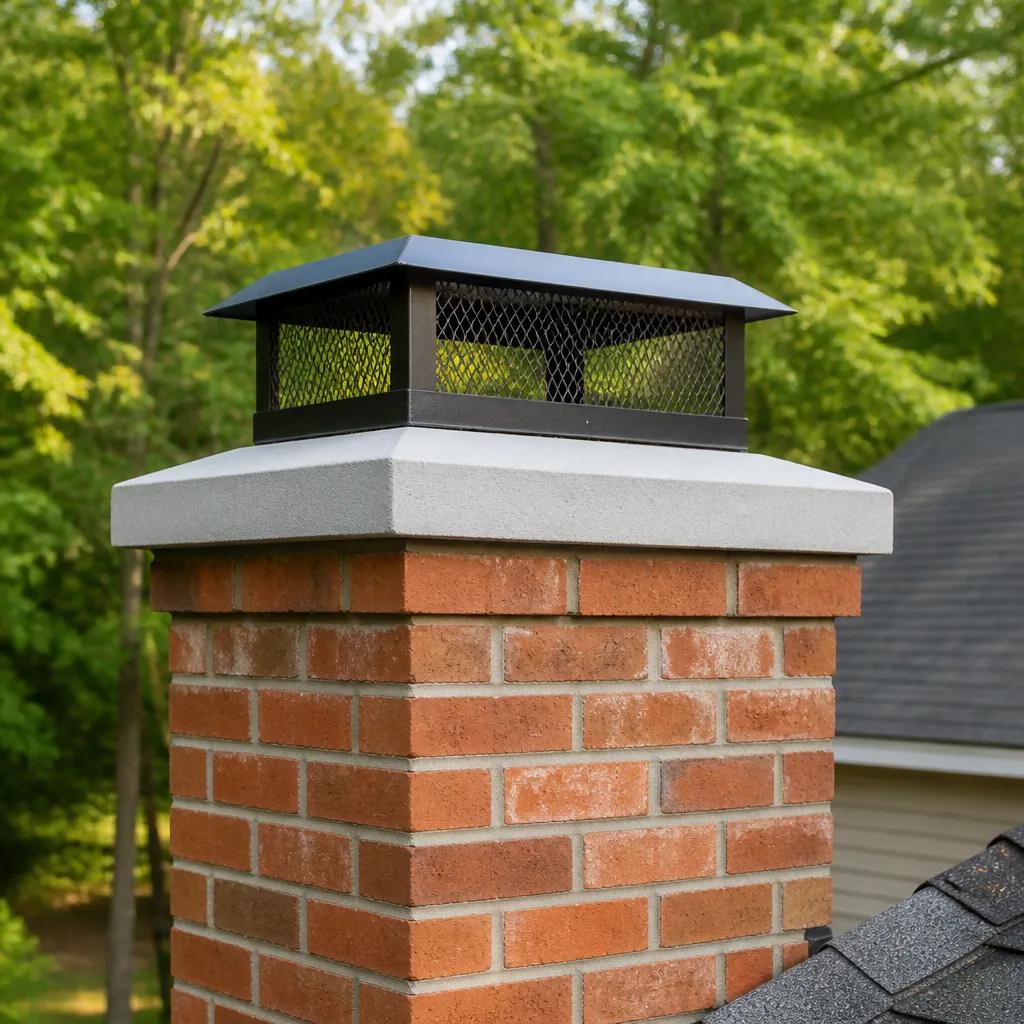 Caps & crowns
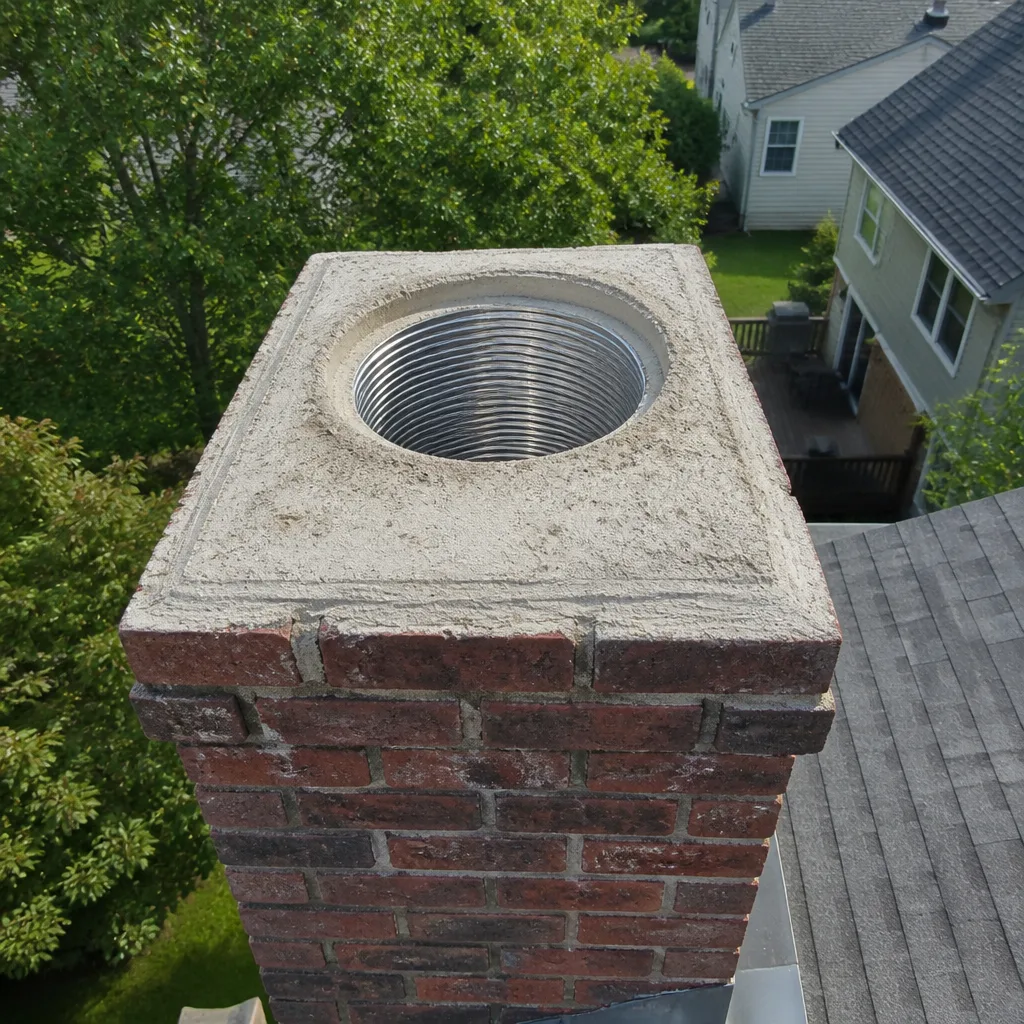 Flue relining
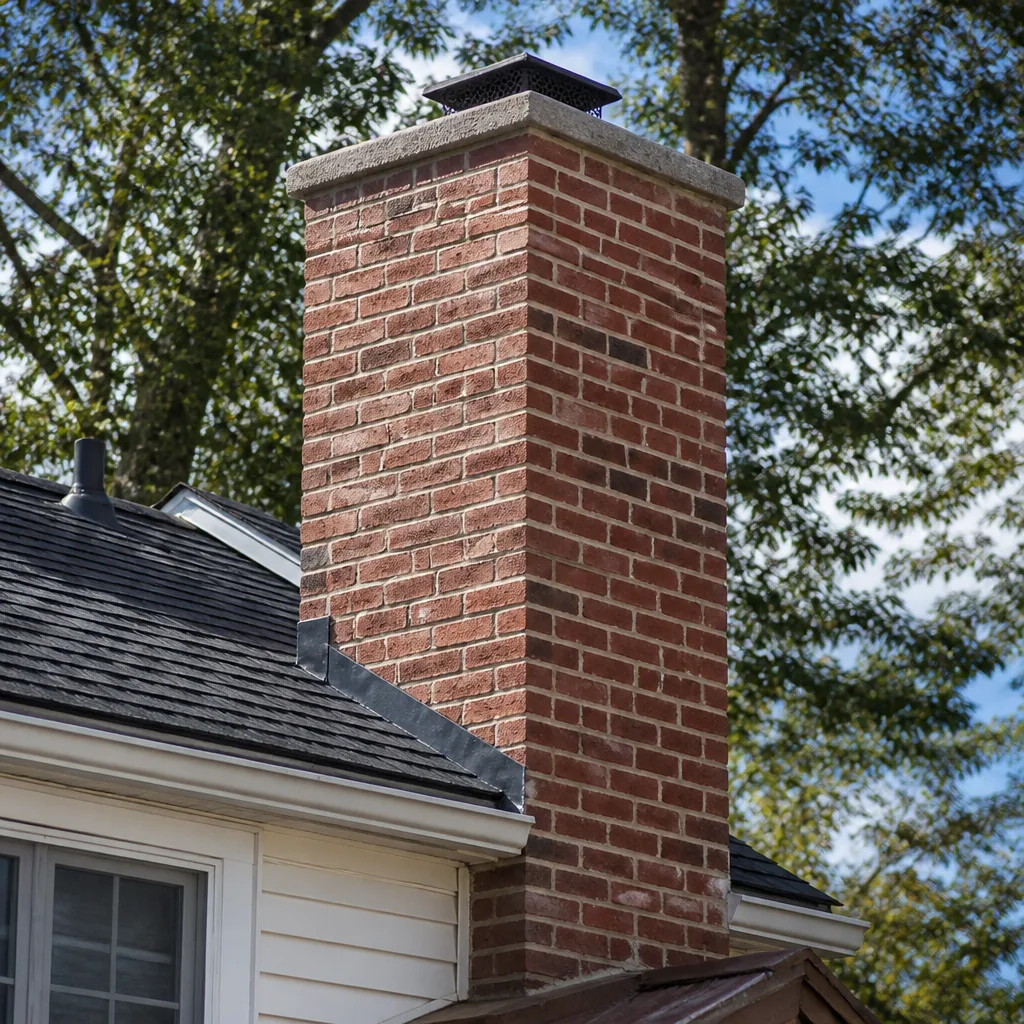 Masonry repair
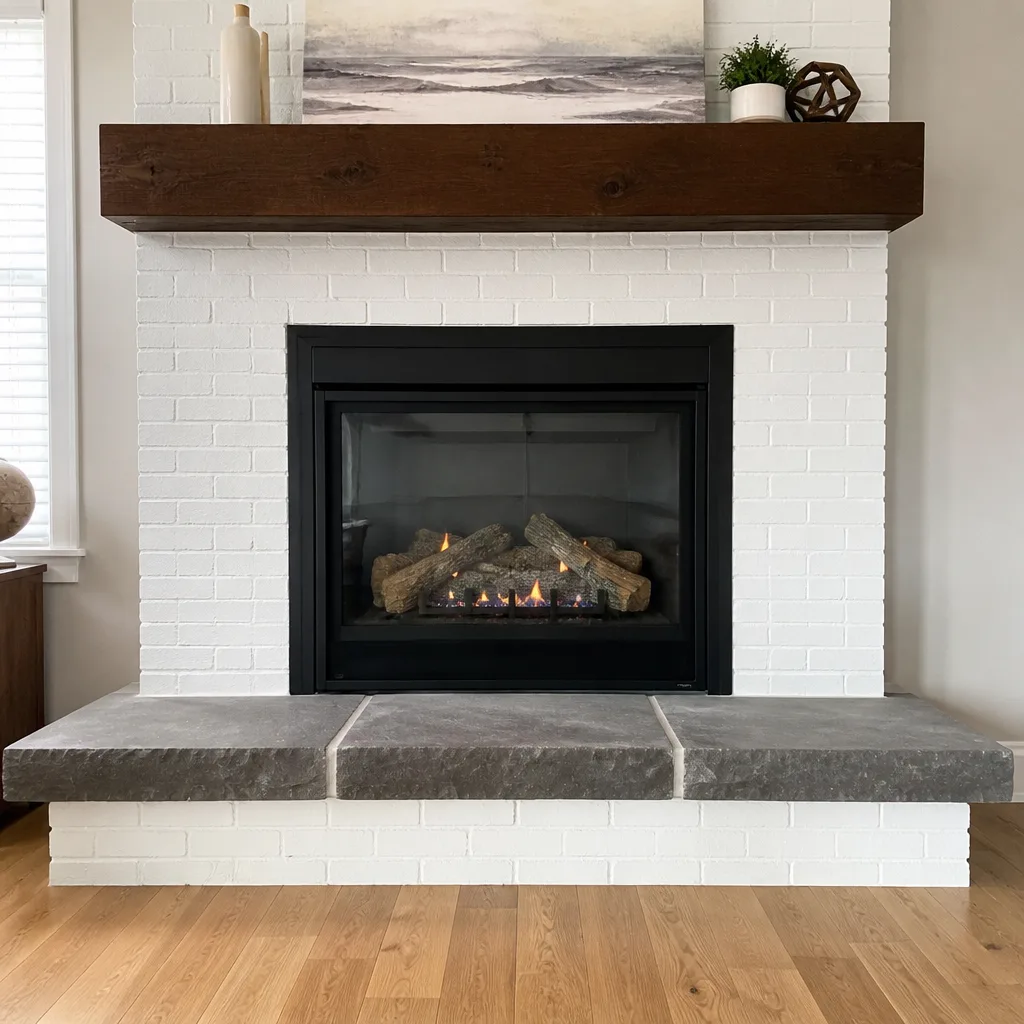 Gas fireplace service
Level 1 sweep and inspection to the NFPA 211 annual standard - flue, crown, cap, and flashing checked and photographed
Chimney sweep logs do not sweep chimneys. They loosen some creosote - which then falls where a brush and vacuum still have to collect it.
How to Hire a Chimney Cleaning Contractor in Hyde Park: A Step-by-Step Guide
Massachusetts has no state-issued chimney sweep license. That single fact changes how you should shop for chimney service in Hyde Park, because it means the only real protection you have is your own ability to ask the right questions and read the answers critically. Plenty of general handymen in this market list chimney sweeping among a long roster of unrelated services, and nothing on paper stops them from doing it. What follows is the process we’d walk a neighbor through: how to check certification, what to ask on the phone, how to read an inspection report, and how to compare bids without getting taken. You’ll finish knowing how to tell a chimney specialist from someone who happens to own a brush set.
Styles & brands we work with
- Sweep & inspection
- Caps & crowns
- Flue relining
- Masonry repair
- Gas fireplace service
Quick Answer
To hire a chimney cleaning contractor in Hyde Park, verify current CSIA certification through the Chimney Safety Institute of America’s public registry, confirm the company specializes in chimney and fireplace work rather than general handyman services, and insist on a written inspection report with photos before any sweeping or repair work is approved. A technician with up to 11 years of focused chimney experience, working with recognized product lines like DuraFlex and HeatShield, will give you a written estimate that sets the final price rather than a verbal number.
Table of Contents
- Why There’s No Chimney License in Massachusetts
- What CSIA Certification Actually Means
- The Five Interview Questions That Expose a Generalist
- Why a Written Inspection Report Is Non-Negotiable
- How to Compare Bids Accurately
- Red Flags Specific to Low-Bid Contractors
- Matching Expertise to Hyde Park’s Housing Stock
- Sweeping Is One Part of the System
- Common Mistakes to Avoid
- When to Call a Professional
- Frequently Asked Questions
- The Bottom Line
Why There’s No Chimney License in Massachusetts
If you assume every chimney contractor in Hyde Park has passed a state exam, think again. Massachusetts does not license chimney sweeps. There is no state board that tests a sweep’s knowledge of flue sizing, draft, clearances, or liner condition before letting them into your home. The same gap exists for chimney repair work that doesn’t cross into a licensed trade like masonry or gas fitting. That’s not a knock on everyone in the trade. It’s a warning about how you should shop.
What fills the gap is voluntary certification. The Chimney Safety Institute of America (CSIA) runs the recognized credential for this trade, and it’s the closest thing to a standard you can verify independently. But certification is voluntary, and it has to be current. A contractor who passed a course years ago and let certification lapse is functionally unverified, even if the old certificate hangs on the wall.
There’s a second layer worth knowing about: manufacturer certification. Certain repair methods require specific training. HeatShield liner restoration, for example, is a system that’s applied by trained and certified technicians. If a contractor offers HeatShield work but can’t describe the application process or show you certification, that’s a real question mark.
For homeowners in Hyde Park, the practical upshot is simple:
- Ask for CSIA certification and verify it independently.
- Ask whether the contractor is insured and bonded as their state requires.
- Ask what specific training backs any repair method they offer.
The burden falls on you, but it’s a short, straightforward checklist. The following sections walk through each item.
What CSIA Certification Actually Means
CSIA certification is a professional credential administered by the Chimney Safety Institute of America, and it requires passing an exam covering chimney and venting systems, codes, and safety practices. More importantly, it requires ongoing maintenance to stay valid. The CSIA public registry lets you look up a technician by name or company, and it will tell you whether certification is current or expired.
What it covers
The exam tests knowledge across the whole chimney system, not just sweeping mechanics. That includes understanding of venting principles, appliance connections, clearances to combustibles, and how a flue’s condition affects safe operation. For a homeowner in Hyde Park, the value is that a currently-certified technician has demonstrated they understand what they’re looking at, not just what they’re brushing.
How to verify it
- Ask the company for the names of the technicians who will actually work in your home. Not just the company name.
- Visit the CSIA website and use the public registry lookup.
- Check that each name appears and that certification status is current, not lapsed.
- If a technician isn’t certified, ask whether they work under the supervision of someone who is, and get that name too.
- Cross-check that the company listing matches the contractor you’re speaking with.
What certification does not prove
Certification is not a guarantee of every job. It doesn’t prove the contractor is insured, doesn’t replace a written estimate, and doesn’t mean every repair method they offer has manufacturer-specific training behind it. Treat current CSIA certification as one baseline, verified in about two minutes, and keep verifying the rest.
The Five Interview Questions That Expose a Generalist
A phone call can tell you a lot. General handymen who sweep chimneys on the side tend to stumble on system-level questions, because their knowledge stops at the brush. A specialist answers with the whole system in mind. Here are the five questions we recommend every Hyde Park homeowner asks before booking.
1. “What’s the condition of my flue, and how will you tell me?”
A proper answer mentions a camera inspection and a written report with photos. A weak answer is some version of “we’ll sweep it and let you know.” The flue is the whole point. A brush cleans it; only an inspection tells you whether the liner is cracked, whether creosote is glazed, or whether the firebox has a problem that sweeping won’t fix.
2. “Do you offer repair work, or do you only sweep?”
This is the separation question. A specialist does the full system: inspection, sweeping, cap and crown work, repair, and fireplace repair. A generalist sweeps and then refers or, worse, tries to handle repairs they don’t understand. It matters because you want one accountable party for the whole chimney system.
3. “What product lines do you work with for liner work?”
The answer tells you how seriously they take the trade. A specialist names specific professional-grade lines. If they shrug and say “whatever the supplier has,” that’s not a trade-level answer. DuraFlex is one recognized line used for stainless liner systems; HeatShield is a recognized restoration method for flue damage that avoids full liner replacement. When a contractor names these unprompted and can explain when each applies, you’re talking to someone who knows the material.
4. “Can I see what you find before you do any repair work?”
The answer should be an unqualified yes. Photos of the flue interior, noted in a written report, are the standard. If a contractor hesitates here, don’t book.
5. “Will you give me a written estimate before the job, and is the estimate the final price?”
A flat estimate agreed before booking, with the written estimate setting the final price, is the right answer. A verbal “probably around X” is not. The follow-up question: “How do you handle a situation where you find something unexpected mid-job?” A good contractor stops, shows you the finding, and gives you a written option before proceeding.
Why a Written Inspection Report Is Non-Negotiable
An inspection without a written report is just a conversation, and a conversation doesn’t protect you or serve as a baseline for the next visit. A written inspection report is the single most important document a chimney contractor hands you, and it’s the piece most Hyde Park homeowners don’t think to ask for until after the fact.
What the report should contain
- Photos of the flue interior from the camera inspection, with clear identification of the sections shown. Not just a summary sentence.
- The condition of the liner, including any cracks, gaps, or signs of deterioration, and whether the liner is original, replaced, or of a specific type.
- Creosote assessment, including degree of buildup and whether it’s stage one, two, or three. This determines whether a standard sweep will do or whether glazed creosote needs a different approach.
- Cap and crown condition, with notes on cracks, missing sections, or water intrusion signs.
- Firebox and damper condition, including any rust, damaged brickwork, or misalignment.
- The exterior, including the stack, mortar joints, and any evidence of water damage.
- Recommendations, split into what genuinely needs attention now and what can wait until the next service interval.
- Estimate for any recommended work, in writing, with the price and scope described.
How to use it to compare bids accurately
Here’s where the report becomes a tool. Once you have a written report from one contractor in Hyde Park, any second bid you get can be compared against it, line by line. A second contractor who throws out a “you need a full liner” number without a camera inspection or a written report isn’t giving you a comparable bid. Compare scope, not just price.
The HeatShield conversation
An important line-item that comes up in a lot of Hyde Park reports: a damaged flue that would previously have meant full liner replacement can often be restored with HeatShield. Restoration is typically less expensive than replacement and less disruptive. That’s a good question to ask if a report recommends a full liner: “Would HeatShield restoration be an option here?” Not every flue is a candidate, but a specialist can tell you the difference, and a sweep-only contractor often can’t.
How to Compare Bids Accurately
Comparing chimney bids is harder than comparing apples because the apples are all different shapes. One contractor quotes a sweep, another quotes a sweep plus inspection, another quotes an inspection alone. The only fair comparison is scope-for-scope, and you can only do that with the written report in hand. Here’s the process.
- Get a written inspection report first. Ideally from a contractor you’ve already screened for certification and specialization. The report is the baseline.
- Get at least two written estimates for the same scope of work. If one estimate includes cap and crown repair and the other doesn’t, they aren’t the same job.
- Compare the recommended work, not the total price. A lower total often means less scope. A higher total isn’t automatically better, either. Look at what each estimate proposes to do.
- Ask about brand and materials in writing. A bid that names Copperfield or DuraFlex for a liner is more specific than “stainless liner.” Specificity signals trade knowledge.
- Ask which services are included. Sweeping, inspection, cap and crown, chimney repair, and fireplace repair are separate categories. A bid should say which ones it covers.
- Confirm the price. The written estimate sets the final price. Make sure you’re reading that language before you sign anything.
If a contractor tries to talk you out of needing two bids, or pressures you to approve additional work on the same visit, treat that as the red flag it is. A specialist is patient with comparison shopping.
Red Flags Specific to Low-Bid Contractors
Low bids are not automatically bad, but in the chimney trade they very often hide a scope problem. A contractor advertising a cheap sweep, then talking you into a liner upgrade once they’re inside the door, is a pattern we hear about in this market. Here are the flags to watch for during the hiring process.
- No camera inspection offered. If a contractor is willing to sweep without showing you the inside of the flue, they can’t tell you what condition it’s in. That’s not a service, it’s a transaction.
- No written estimate. Verbal pricing shifts. Written pricing doesn’t. Without a written estimate, you have no grounds for comparison and no protection if the bill doesn’t match the conversation.
- Pressure to approve additional work on the same visit. A good contractor will finish the inspection and hand you a report with recommendations. If the same technician is pushing you to sign off on repairs while they’re still in the house, walk them out.
- No verifiable CSIA certification. Ask for the names, verify in the registry. An expired entry is a real concern.
- No trade-specific knowledge. If a contractor can’t explain the difference between a masonry flue and a prefabricated metal system, or what a crown does, they’re beyond their depth in Hyde Park’s older housing.
- Unclear scope. A quote that says “sweep and clean” without defining what’s included is vague by design.
- No mention of product lines. A specialist works with specific lines: DuraFlex for liners, HeatShield for restoration, Copperfield and Gelco for other system components. If none of that comes up, the answer may be “whatever’s cheap at the supply house.”
Matching Expertise to Hyde Park’s Housing Stock
Hyde Park has a mix of housing types, and that mix matters when you’re hiring. A contractor who’s only worked on new-construction prefab fireplaces will struggle with the terra-cotta flues and hand-laid masonry you’ll find in older Highland Park homes and around Cleary Square. The reverse is also true. Ask about experience with the housing type you actually have.
Older masonry chimneys
Many homes in Hyde Park’s older neighborhoods have original masonry chimneys with clay tile liners. Those liners crack with age, and the surrounding mortar joints weather. Inspecting them properly requires a camera that can see past the smoke chamber and identify the tile joints. Repair recommendations range from individual tile repair, to HeatShield restoration applied to the existing flue, to full liner installation using a recognized product line like DuraFlex. A contractor who doesn’t know the difference will push the most expensive option.
Prefabricated metal fireplaces
Newer or renovated homes often have prefabricated fireplaces with metal chimneys. These systems have their own clearances, their own failure modes, and their own replacement requirements. They’re not masonry, and a contractor who treats them like masonry will miss problems. Ask specifically how they inspect prefab systems, and whether they know the brand of the original installation if it’s visible.
Gas and wood-burning appliances
Hyde Park has both. Wood-burning fireplaces and wood stoves need regular sweeping based on how much you burn. Gas appliances still need periodic inspection for venting, but the cleaning frequency is much lower. The service, the safety concerns, and the schedule all differ. Any contractor you hire should ask which you have before they quote.
Climate considerations
New England winters mean prolonged heating seasons, which means more creosote accumulation per year than in milder climates. Snow and freeze-thaw cycles wear on mortar joints and crowns, and cracks in a crown let water in that freezes and widens the gap. In our experience, Hyde Park homeowners who burn wood regularly should plan on an annual inspection, and often an annual sweep as well, well ahead of the heating season.
Sweeping Is One Part of the System
The largest mistake homeowners make when hiring is treating a chimney sweep as a one-off cleaning. In practice, your chimney system has several components, and a specialist should be able to talk about all of them. That’s the reason we structured our own service around five categories.
- Sweeping. The core service, removing soot and creosote from the flue.
- Inspection. Camera inspection with a written photo report. Before we sweep, we inspect.
- Cap and crown. The cap keeps animals, rain, and debris out; the crown sheds water from the top of the chimney. Damaged crowns are a common entry point for water intrusion that shows up later as masonry damage or worse.
- Chimney repair. Masonry repair, liner work, and related restoration. Liner repair without full replacement using HeatShield is one option, as is full liner installation with DuraFlex.
- Fireplace repair. Work on the firebox, damper, and appliance components. This is a distinct category from chimney sweep work and needs its own expertise.
When you’re screening a Hyde Park contractor, ask which of these they offer. If sweeping is the only one, you’ll end up coordinating multiple contractors for a single system, and no one will own the whole picture. One specialist, every part of the chimney, is a better way to keep it in service for the long haul. If you want to see the sweeping service on its own, the primary service page describes what a visit involves. If the cap or crown is what’s failed first, that’s the entry point for a standalone chimney cap & crown repair rather than waiting for masonry damage to set in.
Common Mistakes to Avoid
- Hiring a handyman who “does everything.” A generalist with a brush set can clean the visible parts of the chimney, but can’t inspect the liner or diagnose the system. Hyde Park has plenty of these; skip them.
- Not verifying certification independently. Seeing a certificate on the wall or on a website isn’t the same as a current entry in the CSIA registry. The lookup takes two minutes. Do it.
- Accepting a verbal estimate. A number spoken on the phone isn’t a price. You need a written estimate that sets the final price and clearly states what’s included.
- Skipping the camera inspection. Replacing a sweep with a “quick clean” leaves the liner uninspected. Some Hyde Park masonry is decades old, and tile cracks don’t show up in a mirror.
- Approving repairs on the spot. A same-visit upsell to liner replacement or “urgent” masonry work, without a written report to back it, is a pattern to refuse. Take the report, compare bids, call back.
- Choosing on price alone. The lowest quote is often the narrowest scope. Compare scope-for-scope, using your written report as the baseline.
- Ignoring the crown. A damaged crown is the most common water-entry point in Hyde Park’s older homes, and water entry is the most common cause of serious masonry damage. A cap and crown check belongs in every inspection.
When to Call a Professional
Book a professional visit if you’ve recently bought a home in Hyde Park and don’t know when the chimney was last serviced, if you’ve noticed creosote odor or smoke backdraft, if you can see cracked masonry or a damaged crown, or if it’s been more than a season since your last sweep. There’s also the safety reason: creosote buildup is a fire hazard, and a blocked or damaged flue can push carbon monoxide back into the house. Those risks are real, and they’re the reason to act.
Chimney Sweep Hyde Park offers free estimates in Hyde Park. Call (877) 853-3126. We answer 24/7. Fast dispatch from 7am to 7pm, Sunday through Friday. Our technicians have up to 11 years of focused chimney experience, and we work with recognized professional-grade product lines: DuraFlex, HeatShield, Gelco, Olympia Chimney, Famco, and Copperfield. If a repair is recommended, you’ll see the camera evidence before you approve anything. And if a repair can safely wait, we’ll tell you that too.
Frequently Asked Questions
Chimney sweeping in Hyde Park is priced per job, and the exact cost depends on the appliance type, whether the chimney is masonry or prefab, and whether repairs are involved. A written estimate is provided before booking so the final price is set before work begins. Call (877) 853-3126 for an exact quote. Estimates are free.
Ask for the names of the technicians who will work in your home, then verify each name on the CSIA public registry. The registry shows current certification status, so you can catch a lapsed or expired entry before booking. Ask the same question of any Hyde Park contractor you’re comparing.
Not every recommendation to replace a liner is accurate. A damaged flue can sometimes be restored with HeatShield without full liner replacement, and other situations genuinely call for a full DuraFlex liner. The decision should be made from a written inspection report with camera photos of the flue. Ask to see the evidence. If a contractor can’t show you the inside of the flue, don’t approve the work.
Annual inspection is the baseline for most wood-burning fireplaces in Hyde Park, and annual sweeping is common for homeowners who burn wood regularly through the heating season. Gas appliances need less frequent cleaning but still benefit from periodic inspection. If your home is a recent purchase and you’re not sure of the service history, book an inspection now.
Creosote continues to build up with each burn, and the risk of chimney fire increases as buildup thickens. Water can also work into cracked crowns or masonry, and the damage compounds with each freeze-thaw cycle. Skipping a year isn’t always catastrophic, but a proper inspection tells you whether this is a year you can safely wait or not.
One specialist should be able to handle the full system: sweeping, inspection, cap and crown, chimney repair, and fireplace repair. Coordinating separate contractors for each part usually means no one owns the whole picture. A specialist with a single scope covers all five categories. Call (877) 853-3126 if you’d like to talk through your Hyde Park home.
The Bottom Line
Massachusetts doesn’t license chimney sweeps, so the standard you hire against is one you have to build yourself. Verify current CSIA certification in the public registry. Ask the five questions that separate a specialist from a generalist. Demand a written inspection report with camera photos, and use it to compare bids scope-for-scope. Treat “no camera, no written estimate, approve repairs today” as the three red flags they are. Hyde Park’s mix of older masonry and prefab systems are not interchangeable, and neither are the contractors who work on them. A specialist who offers the entire system, from sweeping through fireplace repair, will tell you honestly when work can wait.
Chimney Sweep Hyde Park offers free estimates across Hyde Park. Call (877) 853-3126. We answer 24/7. Fast dispatch from 7am to 7pm, Sunday through Friday. A flat estimate agreed before booking, camera inspection and photo report included as part of the visit, and a written estimate that sets the final price. You’ll see the evidence before you approve any repair. And if it can safely wait, we’ll say so.
Written by the team at Chimney Sweep Hyde Park.
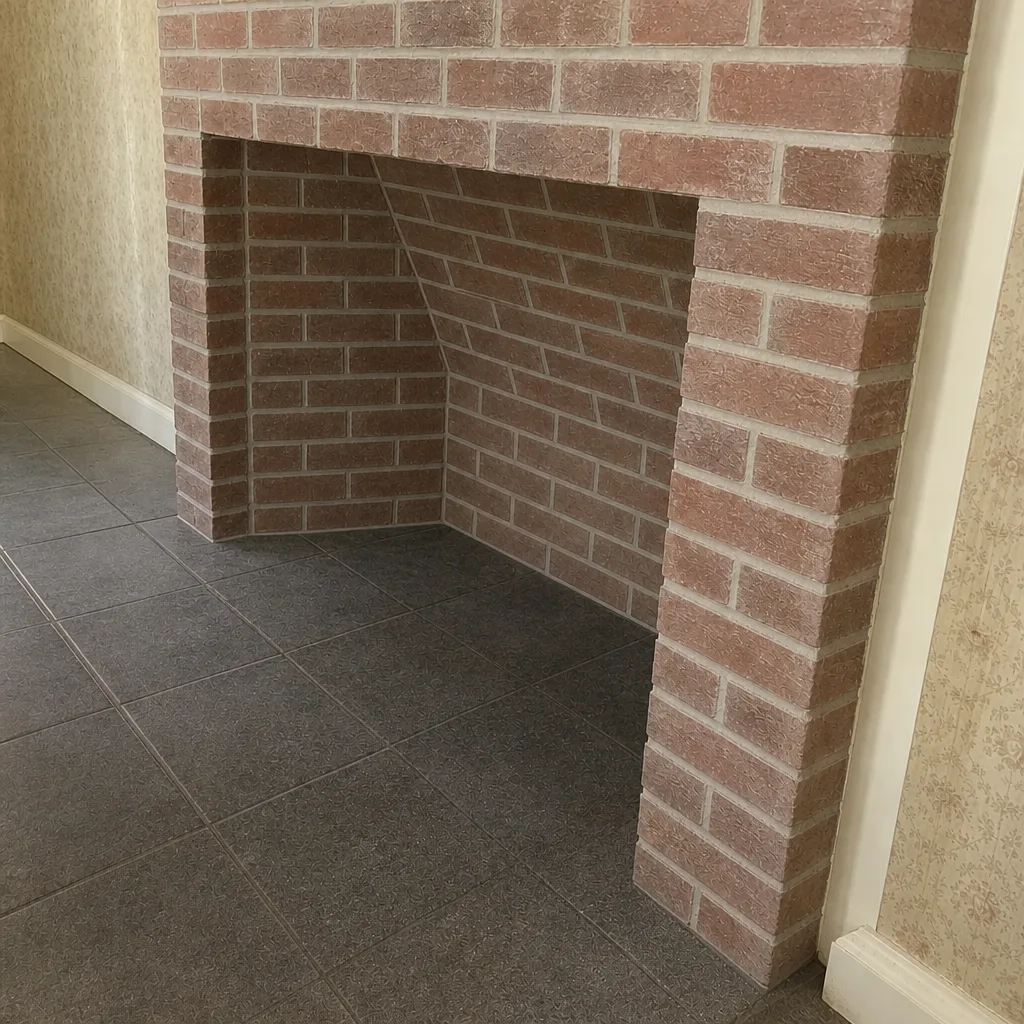
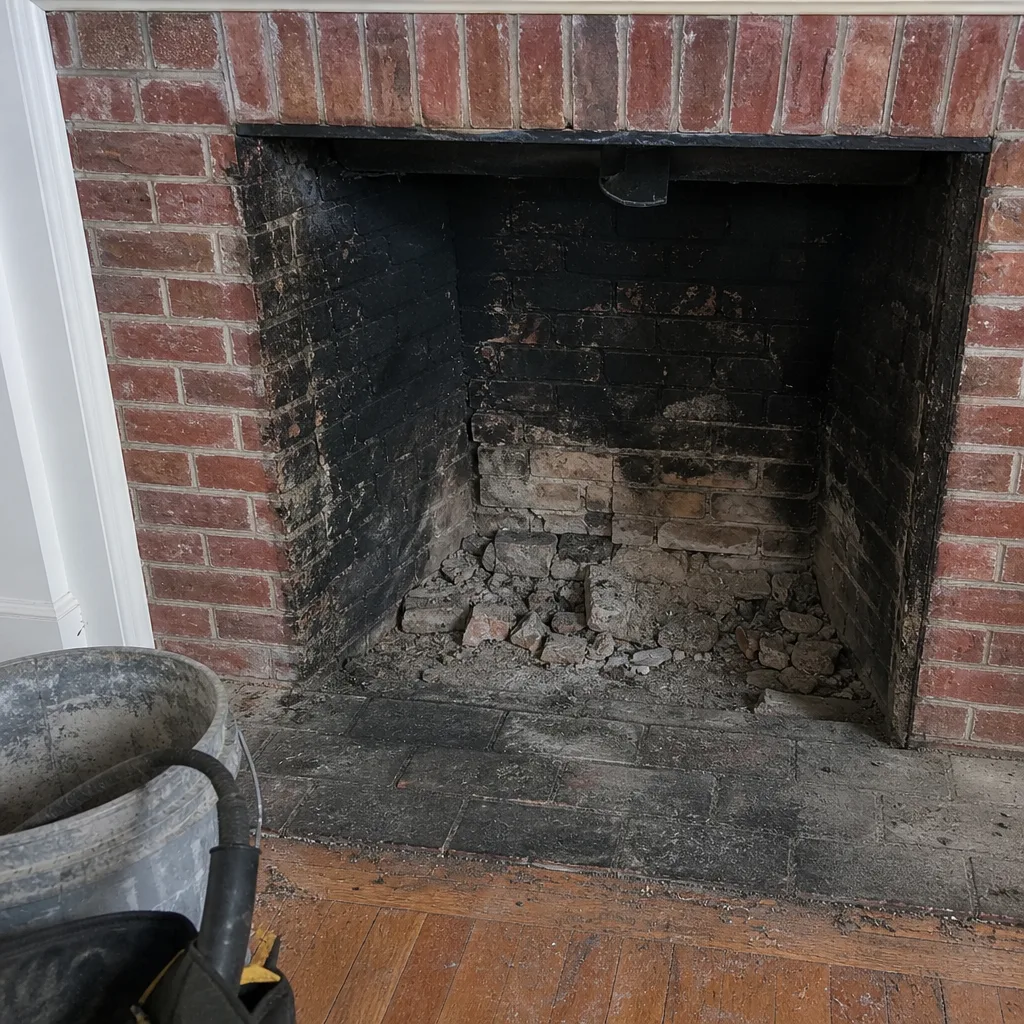
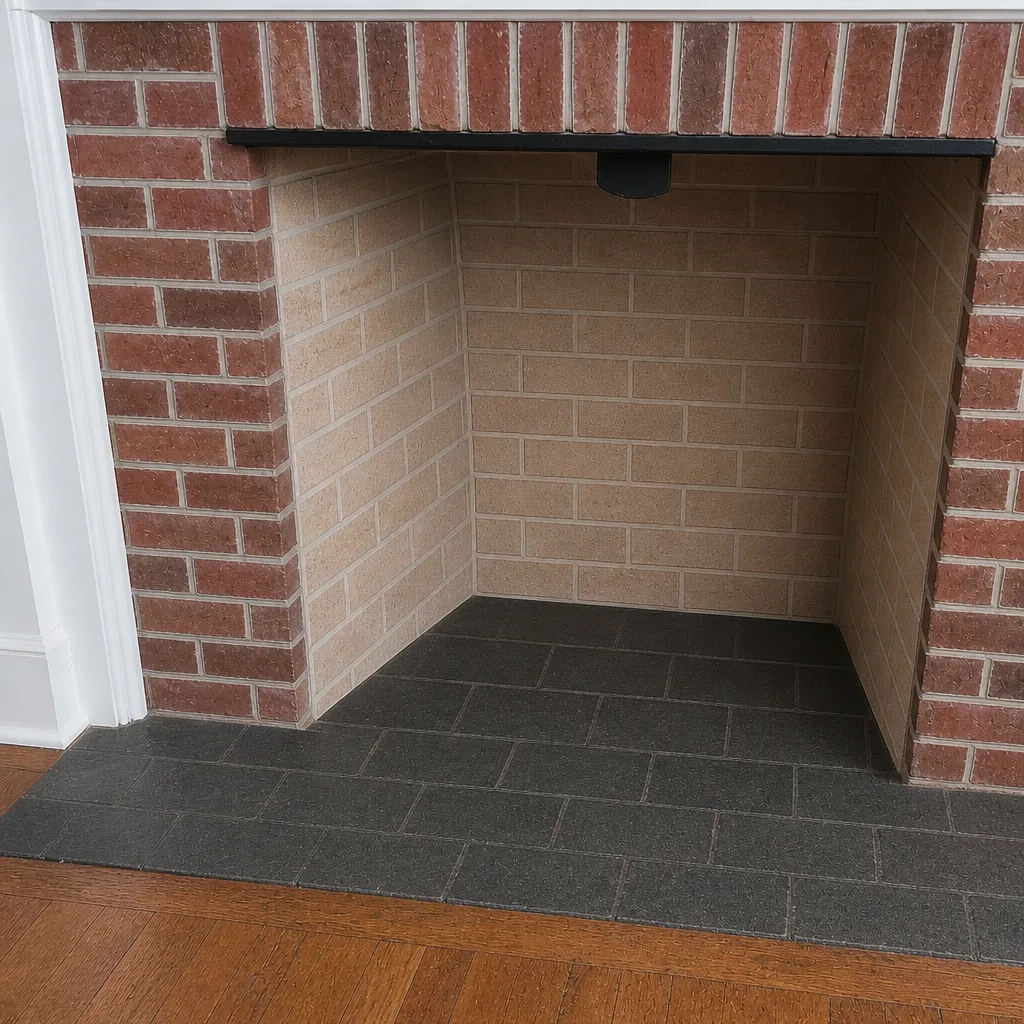
See the difference
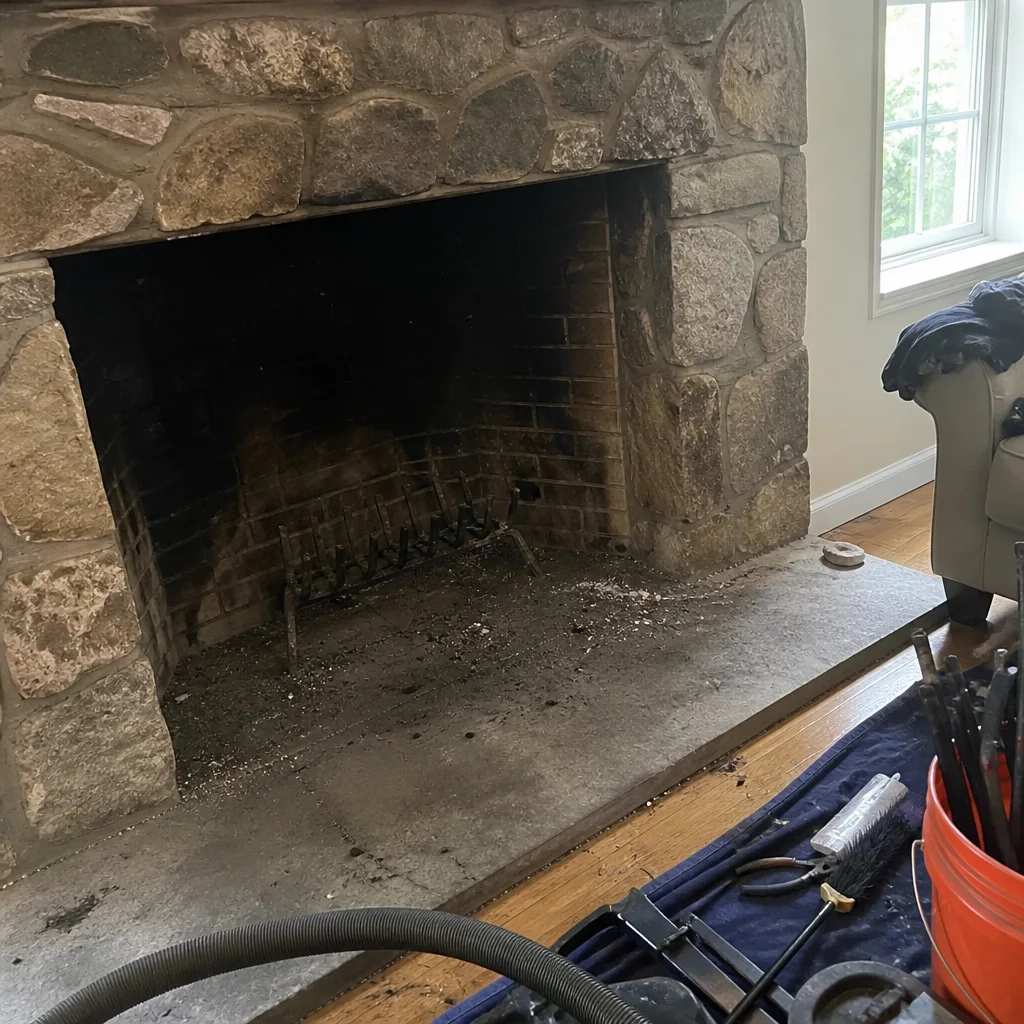 Before
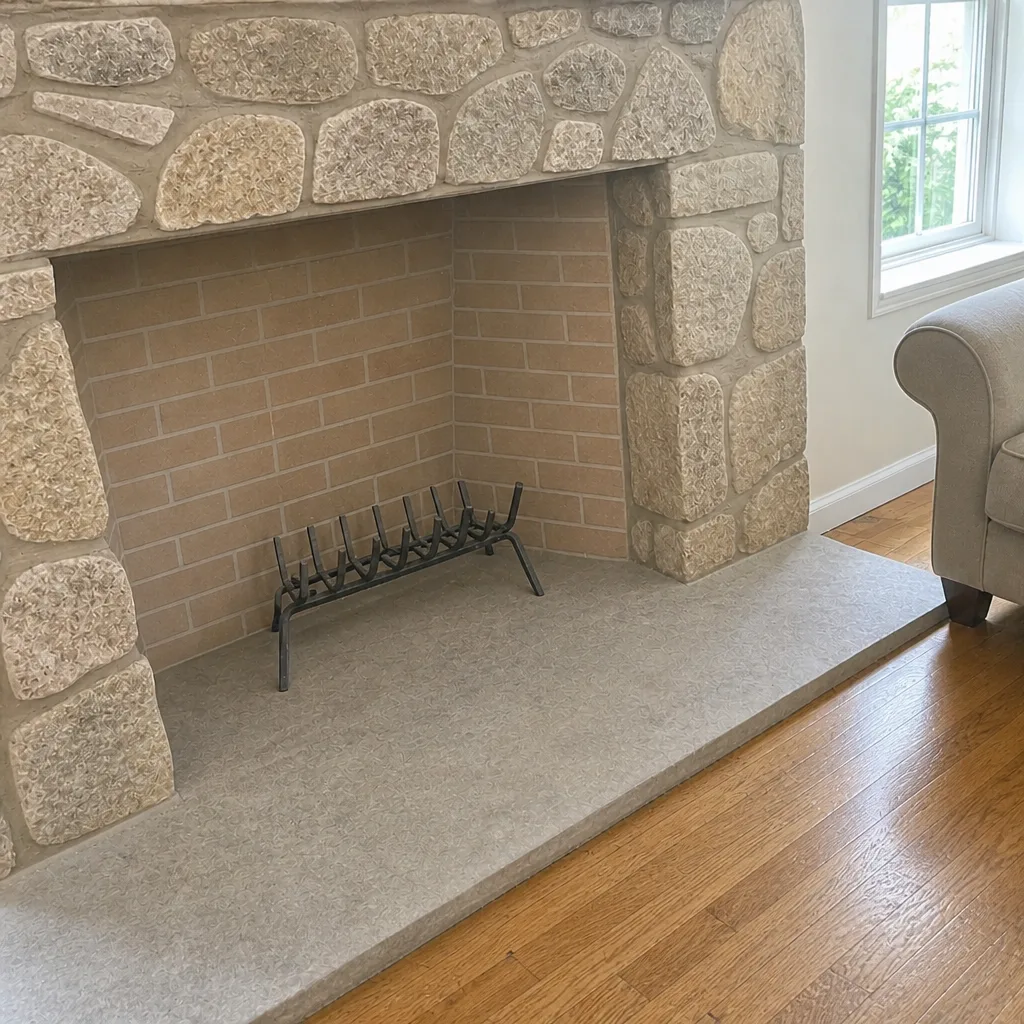 After
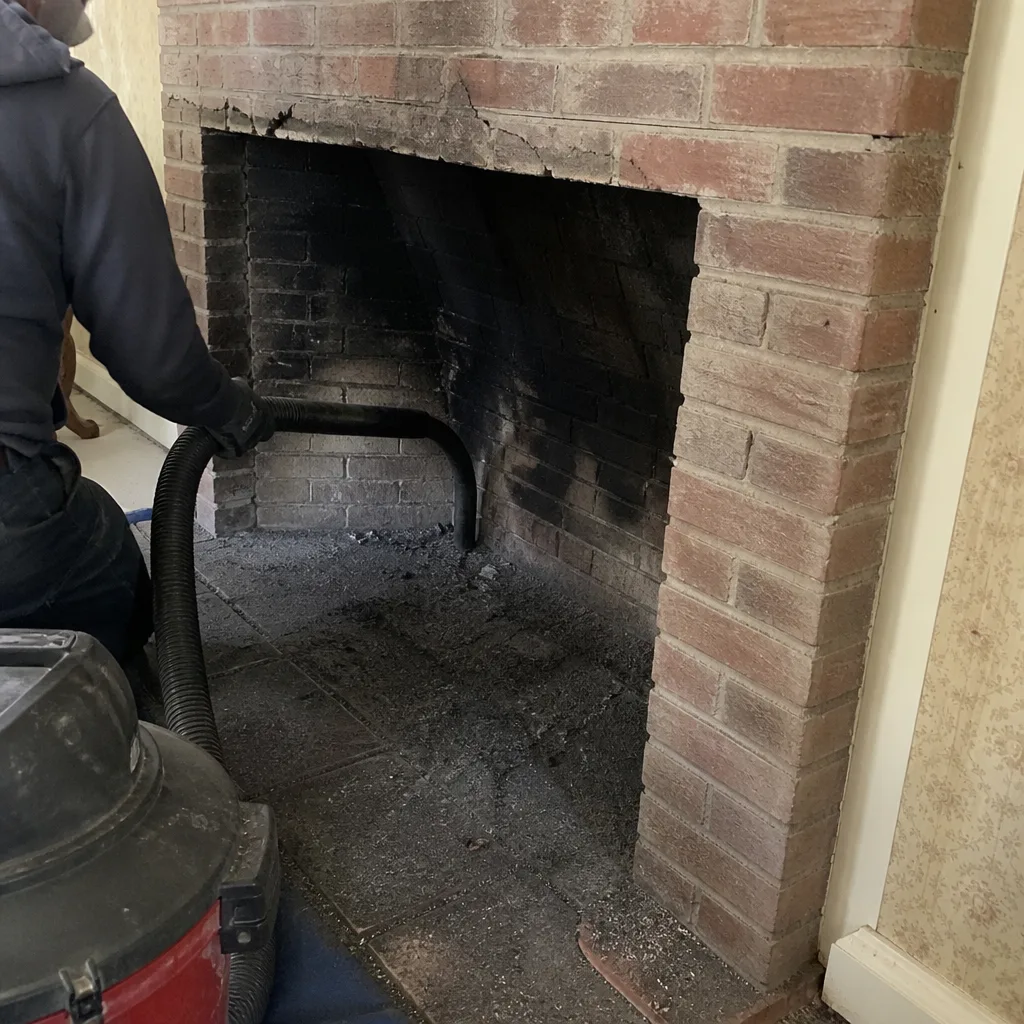 Before
 After
 Before
 After