
Last updated November 25, 2026
 Sweep & inspection
 Caps & crowns
 Flue relining
 Masonry repair
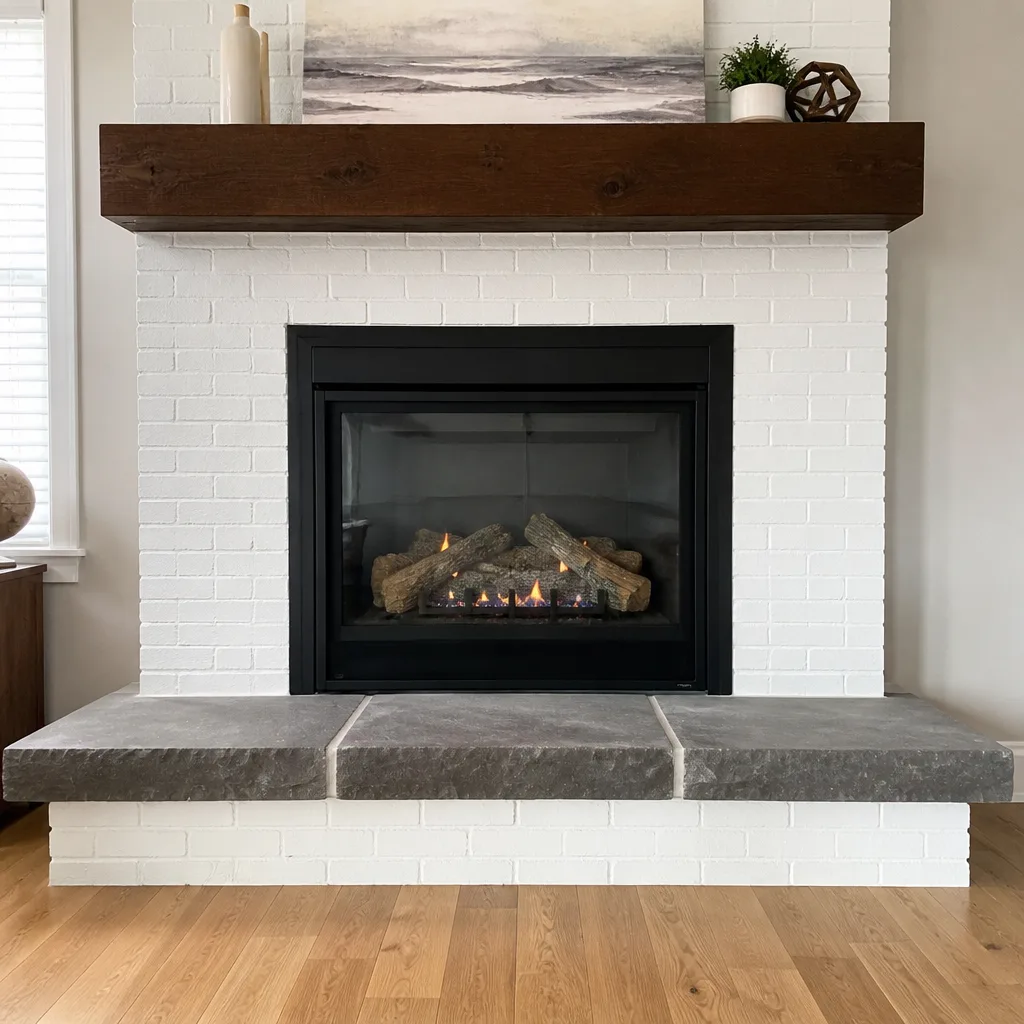 Gas fireplace service
Level 1 sweep and inspection to the NFPA 211 annual standard - flue, crown, cap, and flashing checked and photographed
Chimney sweep logs do not sweep chimneys. They loosen some creosote - which then falls where a brush and vacuum still have to collect it.
Chimney Cleaning Cost Breakdown: The Hyde Park Homeowner’s Reference for 2026
A $79 chimney sweep coupon covers about forty minutes of brush work and nothing else. The inspection that tells you whether your flue is safe to use isn’t part of that price, and that’s by design. We see the result of this all over Hyde Park: homeowners who paid for a sweep that came with no written report, no camera scan, and no record of what the technician actually found. A year or two later, a small crack in the flue liner has become a real repair. This guide breaks down what each line item on a chimney invoice should cost in the Hyde Park market, why quotes for the same stated service can vary so widely, and how to read a bid so you’re comparing the same work.
Quick Answer
Chimney cleaning in Hyde Park typically runs $185 to $350 for a standard sweep with a Level 1 inspection included, depending on flue accessibility and how much creosote has built up. A Level 2 inspection with a camera adds $150 to $350 on top of that. Cap replacement generally runs $150 to $450, and crown repair $250 to $700. Quotes that look dramatically cheaper almost always exclude the inspection, so the real question is what’s in the scope, not what’s at the bottom.
Styles & brands we work with
- Sweep & inspection
- Caps & crowns
- Flue relining
- Masonry repair
- Gas fireplace service
Table of Contents
- What Should Each Part of the Job Cost in Hyde Park?
- Why the Inspection Is the Highest-ROI Line Item
- How Hyde Park’s Housing Stock Changes the Price
- How to Read a Chimney Quote and Spot What’s Missing
- The Compounding Cost of Deferred Maintenance
- What Else Moves the Price Up or Down
- Building a Realistic Yearly Chimney Budget
- How the Job Actually Goes, Step by Step
What Should Each Part of the Job Cost in Hyde Park?
Here’s the honest breakdown, line by line. These are typical estimated ranges for the Hyde Park market going into 2026, and they assume a straightforward wood-burning flue. Your written estimate from any company sets the final price, and estimates should be free.
Basic chimney sweep (brush and vacuum): $185 to $350. This covers removal of soot and creosote from the flue, firebox, smoke chamber and damper area, with drop cloths and a HEPA vacuum to keep the house clean. A flue with heavy, glazed creosote takes longer and costs more.
Level 1 inspection (visual, accessible areas): $100 to $200 when done on its own; often bundled into the sweep price when both are booked together. This is a visual check of the firebox, damper, flue interior as far as the eye can see, and the exterior at ground level.
Level 2 inspection with camera scan: $250 to $500. This is a full video scan of the flue from top to bottom, and it’s what any property transfer, liner replacement or chimney fire recovery requires. It’s also what you want when a problem is suspected but not obvious.
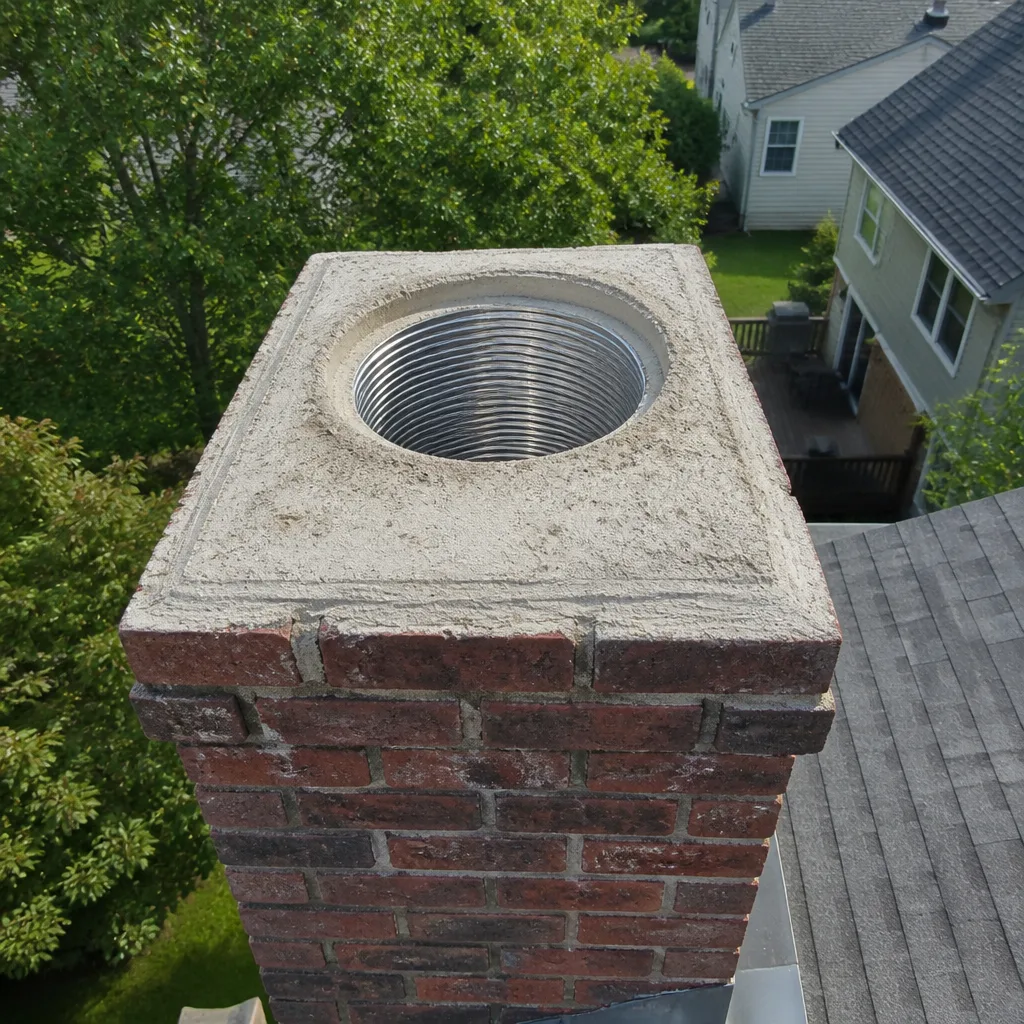
Liner assessment: Included in a Level 2 in most cases. When a liner is compromised, HeatShield liner restoration is often possible without a full liner replacement, and that changes the cost picture significantly. HeatShield-certified application can run well below the cost of cutting in a new liner system, depending on the extent of the damage.
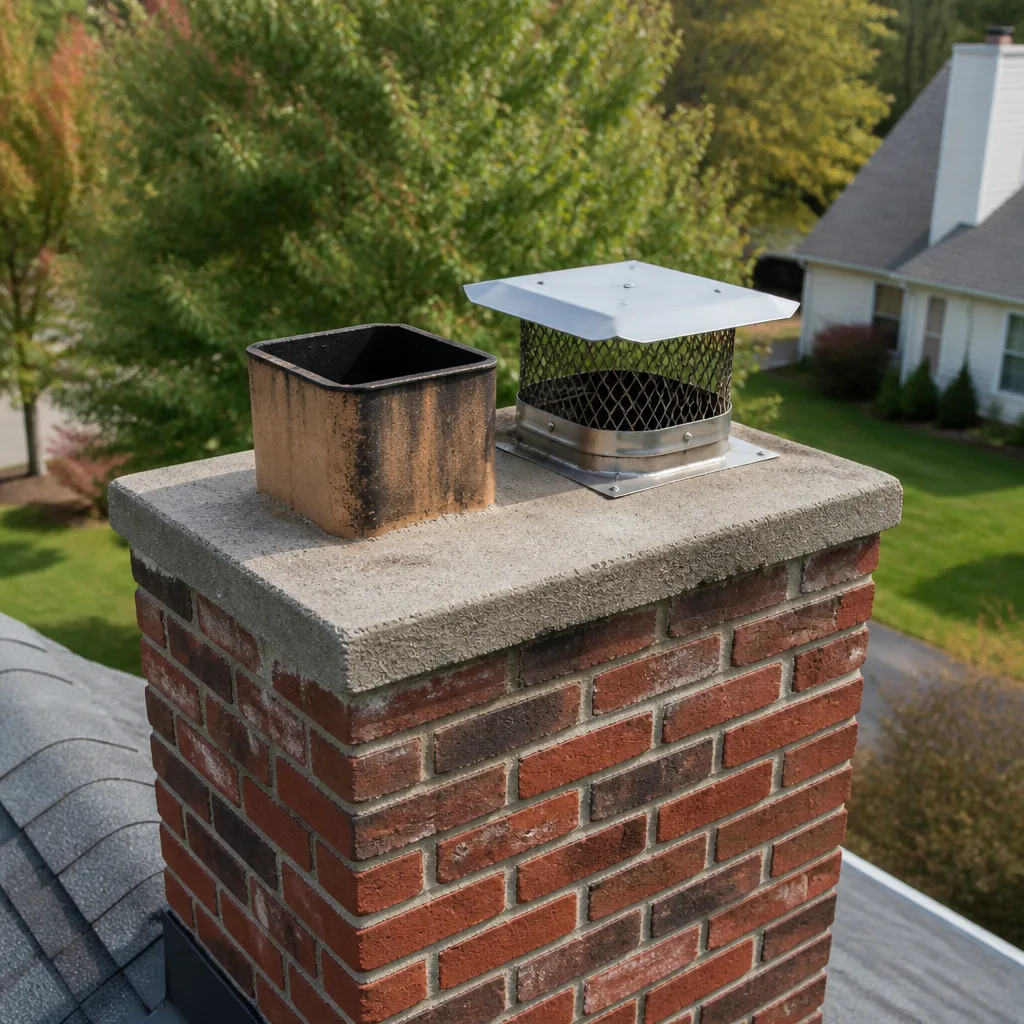
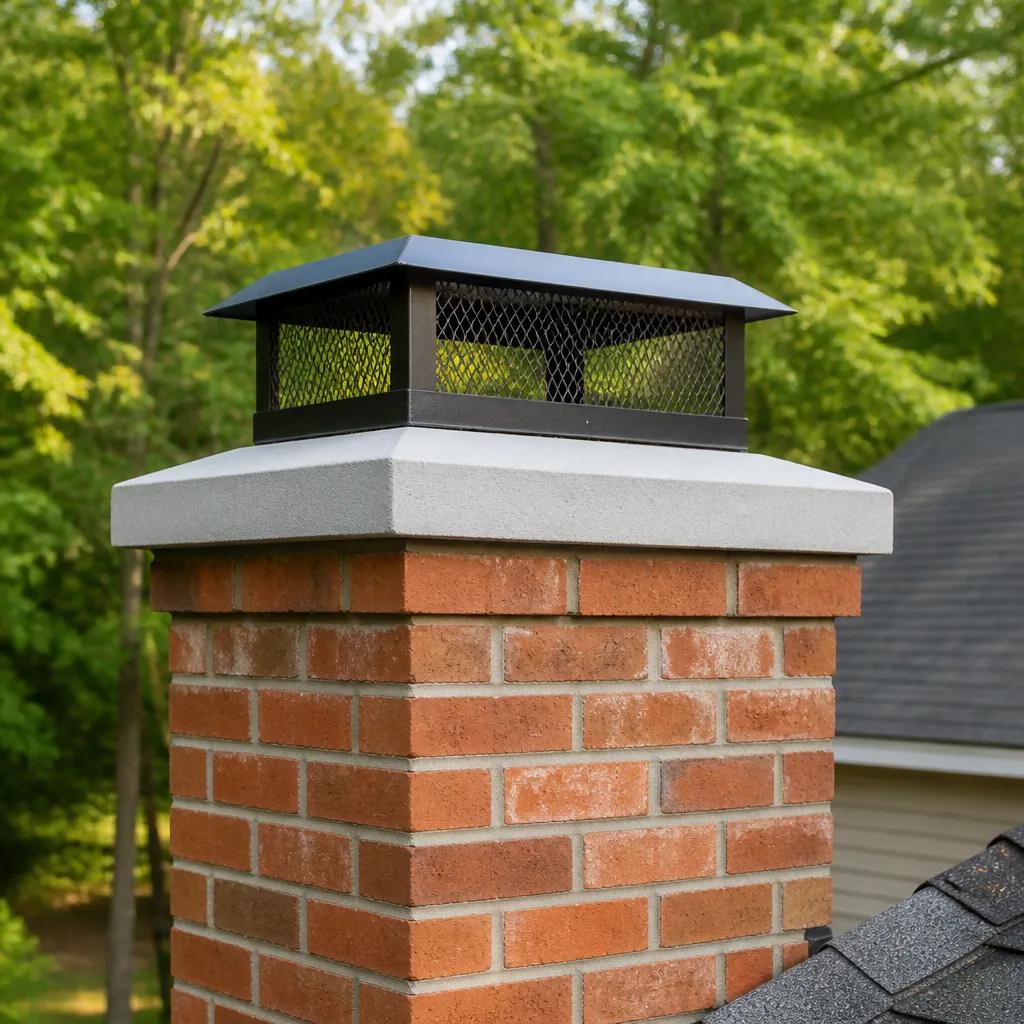
Cap replacement: $150 to $450. A chimney cap is the cheapest insurance on the system. We work with Famco caps because the construction and fit hold up to New England freeze-thaw cycles.
Crown repair or rebuild: $250 to $700 for repair; $800 to $2,200 or more if the crown is rebuilt entirely. The crown is the concrete or mortar top that sheds water away from the flue. When it cracks, water goes straight into the chimney structure.
Fireplace repair and damper work: $200 to $1,200 depending on what’s actually involved. If your fireplace is smoking, hissing, or the damper won’t seal, see our fireplace repair page for the service details.
The ranges feel wide because they are. The variables below explain why.
Why the Inspection Is the Highest-ROI Line Item
If you take one thing from this guide, take this: the inspection is the part of the service that actually tells you whether your chimney is safe. The sweep cleans it. The inspection is what stops you from using a chimney that has a cracked liner, a blocked flue, or creosote in the third stage that’s ready to ignite.
What most people don’t realize is that a chimney can look fine from the firebox and still have a serious problem inside the flue. Creosote glazes onto the liner walls. Mortar joints fall out of the flue tiles. A bird builds a nest in the spring. None of that shows up until you run a camera down the flue.
When an inspection is skipped, here’s roughly what the missed liner damage costs when it’s eventually found:
- Hairline cracks in a clay tile liner: $300 to $800 in HeatShield spot repairs
- Missing or degraded mortar joints: $600 to $1,500 in HeatShield restoration
- A flue that can’t be restored: $2,500 to $5,500 or more for a full stainless liner installation
- A chimney fire that dislodges tiles and warps the structure: many thousands, plus the risk to the house
We’ve seen this pattern in Hyde Park over and over. The sweep was fine. The price was low. What wasn’t there was the report, because the sweep never looked past the firebox. Our approach is the reverse: Chimney Sweep Hyde Park inspects before we sweep, and you see the camera footage before anyone recommends a repair. If the flue looks fine, we tell you so, and the job stops there.
How Hyde Park’s Housing Stock Changes the Price
Hyde Park is not a uniform place. Chimney work prices differently in Readville, on Fairmount Hill, and along the Cleary Square and Readville station neighborhoods because the housing itself is different. Two categories matter most for the cost of a sweep.
Attached row homes and triple-deckers
Much of the housing in Hyde Park is older, tightly attached, and interior-access only. The chimney is reached from the roof, and the flue is accessed from the firebox inside. That means the technician goes up a ladder or through a hatch, carries tools up, sets up containment inside, and works in whatever the New England season has decided to do that day. Winter and early spring add time to the setup. Interior-access-only jobs also require more containment work inside the living space, because every bit of soot has to be captured and carried out through the building.
If your building has a shared chimney serving multiple flues, that adds a wrinkle. Each flue needs to be cleaned and inspected separately, and each has its own condition. We can’t tell you a two-flue shared stack costs twice a single flue, because it usually doesn’t, but it isn’t a single-flue price either.
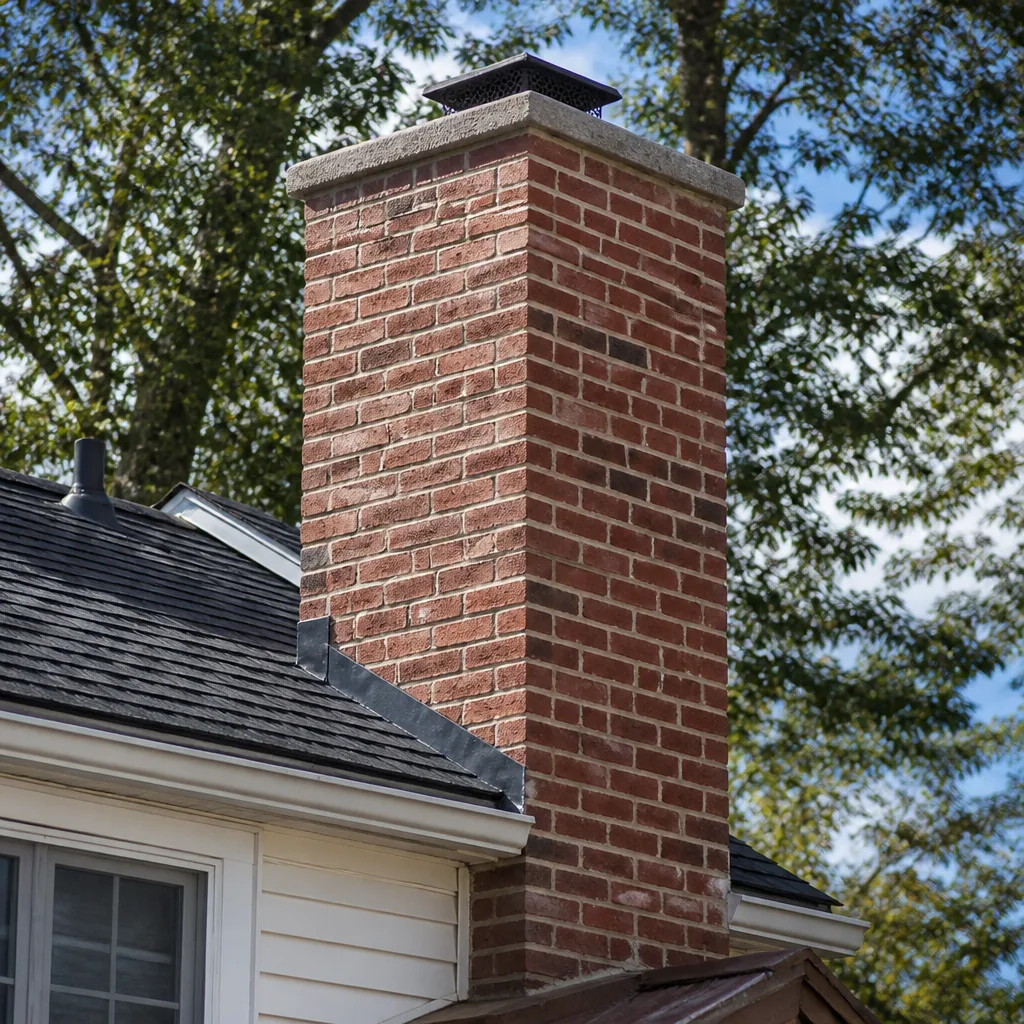
Interior-access-only chimneys also show a particular failure pattern. The crown at the top of an interior chimney is harder to see from the ground, so it goes without inspection. That’s why we encourage homeowners in Hyde Park to book an inspection that includes the crown and cap as part of the external check, not just the flue.
Freestanding chimneys and single-family homes
Houses with an exterior chimney on a freestanding wall are easier to work on. The technician gets access from a ladder, the cap and crown are visible, and the cleanup is contained. These jobs often come in at the lower end of the cost ranges above. The tradeoff is exposure: exterior chimneys in Hyde Park face full north winds, freeze-thaw cycling, and snow load on the crown. Cracking crowns are far more common on exterior chimneys than interior ones, so if you own a home with an exterior chimney, budget for a crown check on every visit.
Older Hyde Park homes may also have chimneys with no liner at all. If your house predates modern liner standards and the flue is bare brick or parged interior, the inspection matters even more, and the repair conversation is different. That’s where a camera scan earns its cost.
How to Read a Chimney Quote and Spot What’s Missing
A quote is only useful if it tells you what it includes. Cheap bids usually rely on you not asking. Here’s what to look for, and the warning signs that a bid is thin.
- Is the inspection in the scope, or is it extra? If a quote says “chimney sweep” with no mention of inspection, the inspection isn’t happening. Ask directly whether a written inspection report is included and whether it’s a Level 1 or Level 2.
- Is there a camera scan line item, or a stated reason there isn’t one? A sweep without a scan is fine if the flue was recently scanned and the report is on file. It’s not fine if nobody has looked down that flue in five years.
- Is there written documentation of condition findings? The good quotes include a written record of what was found: liner condition, crown condition, cap condition, damper condition, creosote level. No documentation means you have no way to verify the recommendations later.
- Are cap and crown work included as line items, or left out? If the cap is damaged and the quote doesn’t mention it, that’s a gap. Our chimney cap & crown service is a standard part of our visits for exactly this reason.
- Are you comparing the same access conditions? An interior-access job in a Hyde Park row home is not priced like an exterior chimney. If two bids differ that much, ask each contractor to state the access conditions they’re pricing for.
- Is the price broken down? A single number is not a quote. Ask for each line item: what it is, why it’s there, and what happens if it’s not done.
If a quote doesn’t cover these, it isn’t necessarily a bad bid. It’s an incomplete bid. You can’t compare two incomplete bids, so ask for the details before you choose. Our chimney sweep scope includes the sweep, the inspection and the written findings, and we’ll send it in writing before anything gets scheduled.
The Compounding Cost of Deferred Maintenance
This is where the math gets real. A cracked crown looks like a $250 problem. If you skip it, here’s the cost trajectory over three years in a New England climate.
Year one. A hairline crack in the crown opens up over the winter freeze-thaw cycle. Water gets in. Nothing dramatic happens yet, but the mortar joints at the top of the chimney start to absorb moisture and deteriorate. The repair, if done now, is a crown seal and repair. That’s the lower end of the $250 to $700 range.
Year two. The crack widens. Water is making its way down the flue wall and through the masonry. The flue tile joints start to erode. Some tiles spall on the interior surface, which the camera catches immediately. Now the fix requires liner repair on top of the crown, and the estimate is a couple of steps up: HeatShield liner restoration plus crown repair. That’s a mid-thousands job if the damage is broad.
Year three. The flue is compromised enough that restoration is no longer enough. The liner needs full replacement, and the crown likely needs a rebuild. Depending on the chimney, you’re now looking at a full liner installation plus masonry repair, which can run into the thousands and requires a longer timeline.
This isn’t meant to scare anyone. It’s just the arithmetic. The crown work that costs the least is the crown work done early. If you’re in Hyde Park and haven’t had the top of your chimney looked at closely, that’s the first thing to check, not the last. We’ve seen this progression across dozens of Hyde Park homes where the crown was never examined, and we’d rather tell you now than after the water damage gets in.
What Else Moves the Price Up or Down
Beyond the housing stock, several other factors will shift your quote up or down. Ask about each before you compare estimates.
- Creosote level. Stage one creosote is light soot and brushes out easily. Stage two is hard, crusty, and takes more work. Stage three is glazed and tar-like, and it’s the level that brings the fire risk. The heavier the creosote, the higher the sweep cost, and the more likely the work takes extra time.
- Flue size and shape. A standard 8-by-8 flue is fast. A large or oddly shaped flue, or one with a cap and a tight firebox access, takes longer.
- Number of flues. A chimney serving two flues is essentially two separate services, and each flue needs its own inspection and cleaning.
- Roof pitch and access. A steep roof or a cramped roof hatch adds setup time and requires extra safety measures. That has real labor attached to it. We won’t quote a job without accounting for it, and no honest company should.
- Damper condition. A damaged damper is a $200 to $600-ish repair depending on the type, and if it’s found during the inspection, it belongs in the quote.
- Whether the home is gas or wood-burning. A gas fireplace has different servicing needs and doesn’t generate creosote, so the cost profile changes. If you own a gas fireplace, tell the company that on the first call so they price the right job.
- Liner condition. A compromised liner is where the big money goes. HeatShield certification on our end means we can often repair the liner without full replacement, which changes the range significantly. When we can restore, we will.
These are the things to cover in the first phone call, so the quote you get is realistic and not optimistic. We’d rather quote slightly high and come in under.
Building a Realistic Yearly Chimney Budget
If you actually want to keep your chimney healthy in Hyde Park, here’s what a sensible annual outlay looks like over five years. This is a planning guide only; the actual quote will depend on your system.
- Every year: Book a sweep and inspection. Budget $250 to $450 depending on the flue and creosote level, plus the inspection if it’s counted separately.
- Every year (if you burn regularly): Check the crown and cap. If they’re intact, no spend. If they’re cracked or thin, fix them. That’s $150 to $700 depending on what’s needed.
- Every two years: Consider a Level 2 camera scan if you burn heavily or have an older home. That’s $250 to $500, and it’s how you find problems before they get expensive.
- Liner review: Every three to five years, the liner should get a camera scan regardless. Restoring it once it’s needed, using HeatShield, is far cheaper than letting it degrade to the point of replacement.
- Big-repair reserve: Expect to spend on a full liner or major masonry repair at some point. Knowing that going in is better than being surprised.
Our technicians have up to 11 years of experience, and one pattern holds firm: the homeowners who budget a little every year spend far less over five years than the ones who wait for a crisis. We work with Copperfield and Fitnesse liner products when restoration is the right call, and HeatShield for spot repairs and relining. Those brands are what the trade actually uses, and the difference matters when the repair has to last.
How the Job Actually Goes, Step by Step
If you’ve never had a chimney serviced, the process can feel vague. Here’s exactly how a typical Hyde Park job runs from the moment you call.
- You call and describe the setup. Wood or gas? Interior or exterior chimney? Any smoke problems, odor, or visible masonry damage? We ask for the basics over the phone and book a slot that fits. We answer 24/7 and dispatch runs Sunday through Friday, 7am to 7pm.
- We confirm the quote scope in writing before we arrive. You’ll see the sweep, inspection, and any likely add-ons spelled out. If the scope changes once we see the system, we’ll tell you before we do anything.
- We protect the house before we start. Drop cloths, a HEPA vacuum, and containment around the firebox. Especially in attached homes where soot can spread, the cleanup is part of the job, not an afterthought.
- We inspect before we sweep, not after. Camera scan if the scope includes a Level 2, visible check of the firebox and flue for a Level 1. We look at the crown, cap, and exterior at the same time.
- We sweep. Brush and vacuum the flue, firebox, smoke chamber, and damper. The debris leaves with us.
- We walk you through the findings. You see the camera footage, the written report, and any recommendations. If nothing needs repairing, we say so. That deserves emphasis: no upsell on work that isn’t needed.
- If repairs are needed, you get a separate written estimate. Nothing is done without your agreement. Rates are per job, set by the written estimate, and the estimate itself is free.
If you need cap or crown work, that often happens on a separate visit because it involves the roof. Fireplace and damper work usually happens during the same visit as the sweep. The point is that one specialist handles all of it, so you aren’t coordinating between a sweep company, a roofer, and a mason.
Common Mistakes to Avoid
- Choosing the coupon above all else. A $79 sweep with no inspection is not a bargain. It’s a price for a fraction of the job, and the rest of the cost shows up later as a liner repair.
- Assuming a sweep means the chimney was inspected. They’re two different services. Ask specifically whether a written inspection report is included, and whether it’s a Level 1 or Level 2.
- Not asking for the camera footage. If there’s any doubt about the liner, the camera scan is the deciding factor. No footage means no way for you to verify what you’re being told.
- Ignoring the crown because it’s “just concrete.” In a New England climate, the crown is the first thing that fails and the first thing that lets water into the structure. It should be checked every year.
- Skipping service for several years after buying a Hyde Park home. New owners usually don’t get service records. If the previous owner never had the chimney inspected, you don’t know what you’re buying until the camera goes down the flue.
- Ignoring smoke backdraft or odor until it gets worse. Backdraft, a smoky smell in the house, or chimney odor that doesn’t clear is telling you something. The cause could be a blockage, a pressure problem, or a damaged liner, and it’s cheaper to find out now.
- Believing a repair is urgent without seeing evidence. If a company tells you it needs a $4,000 liner and can’t show you the camera scan, get a second opinion. The footage should be available, and a legitimate specialist will show it without hesitation.
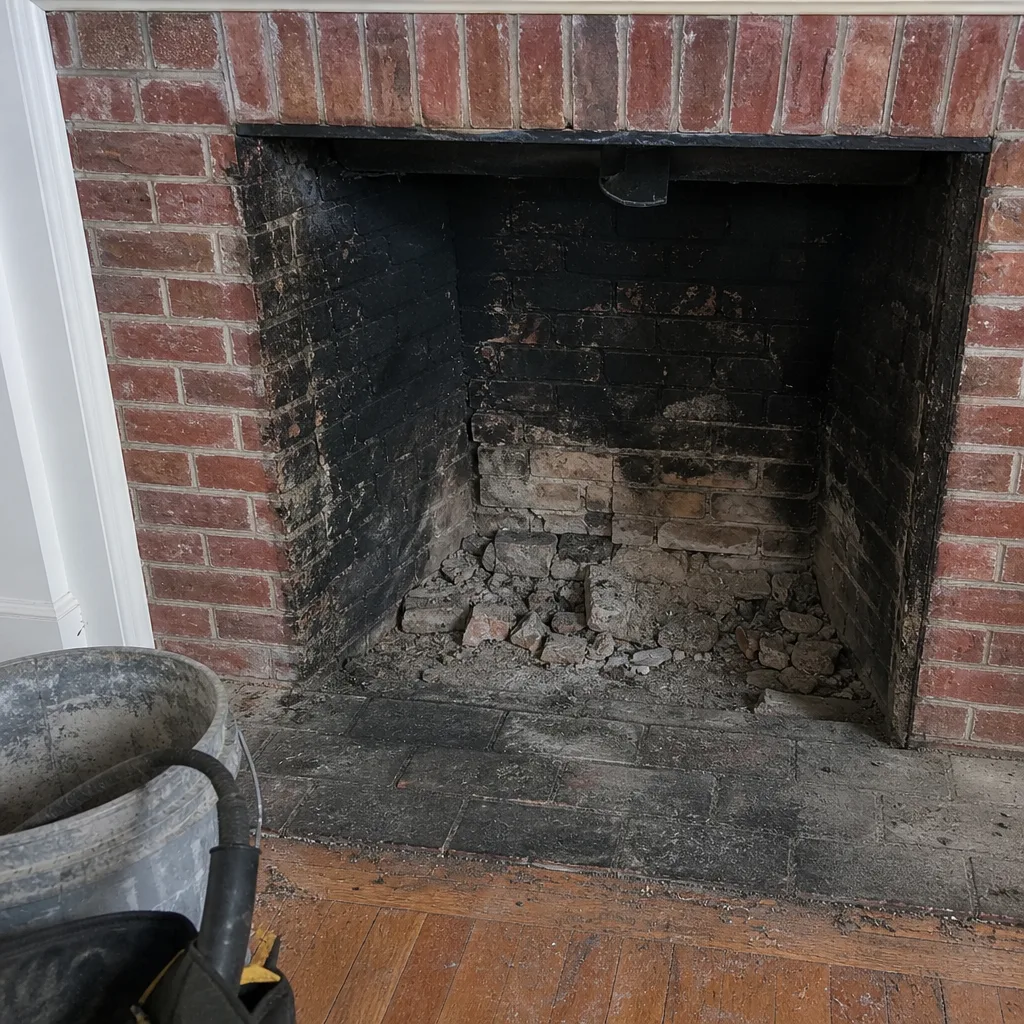
See the difference
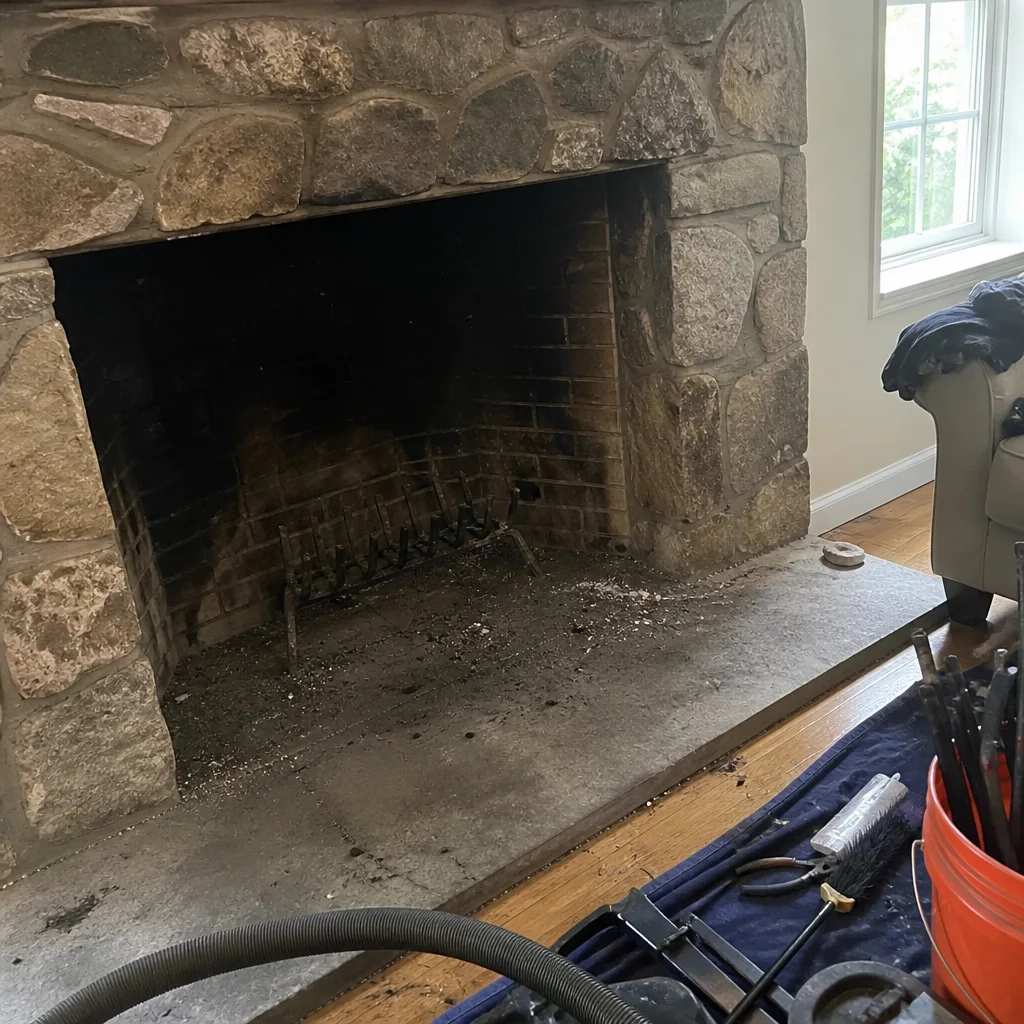 Before
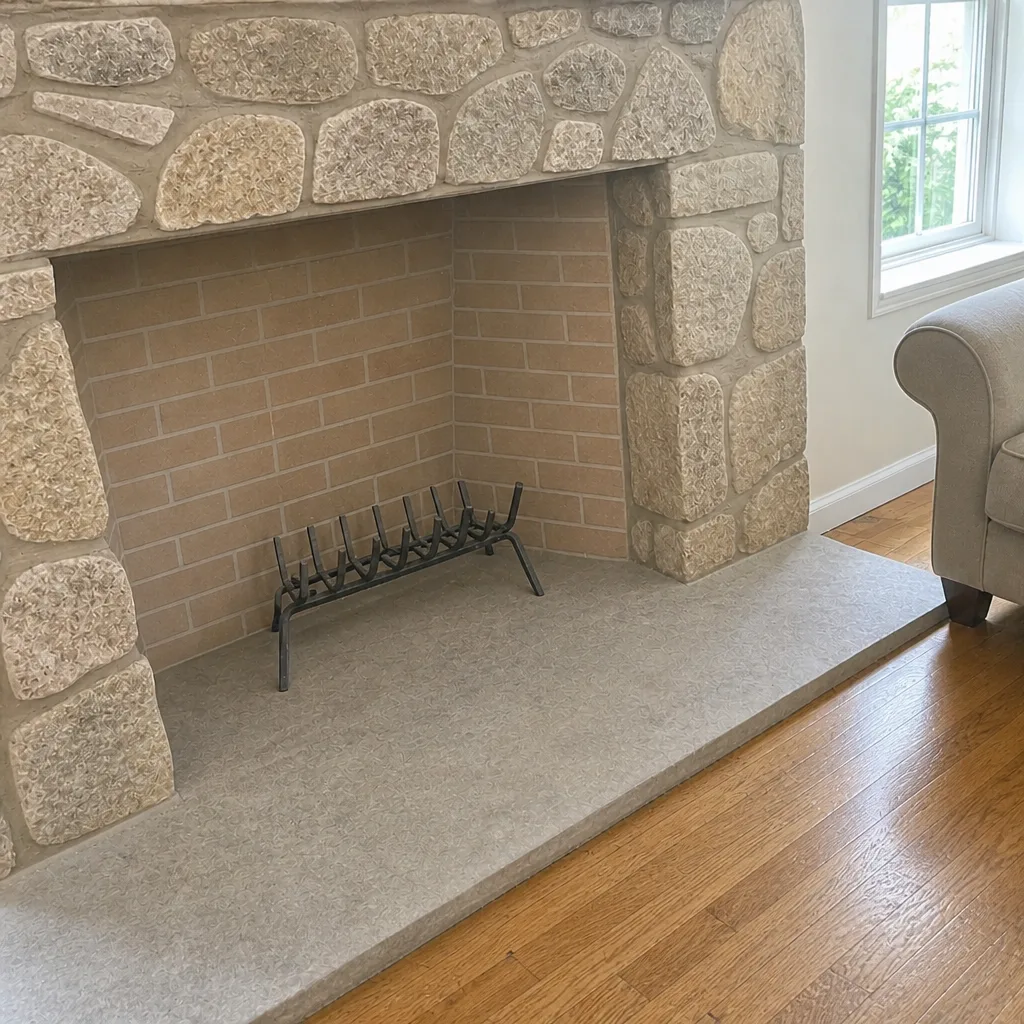 After
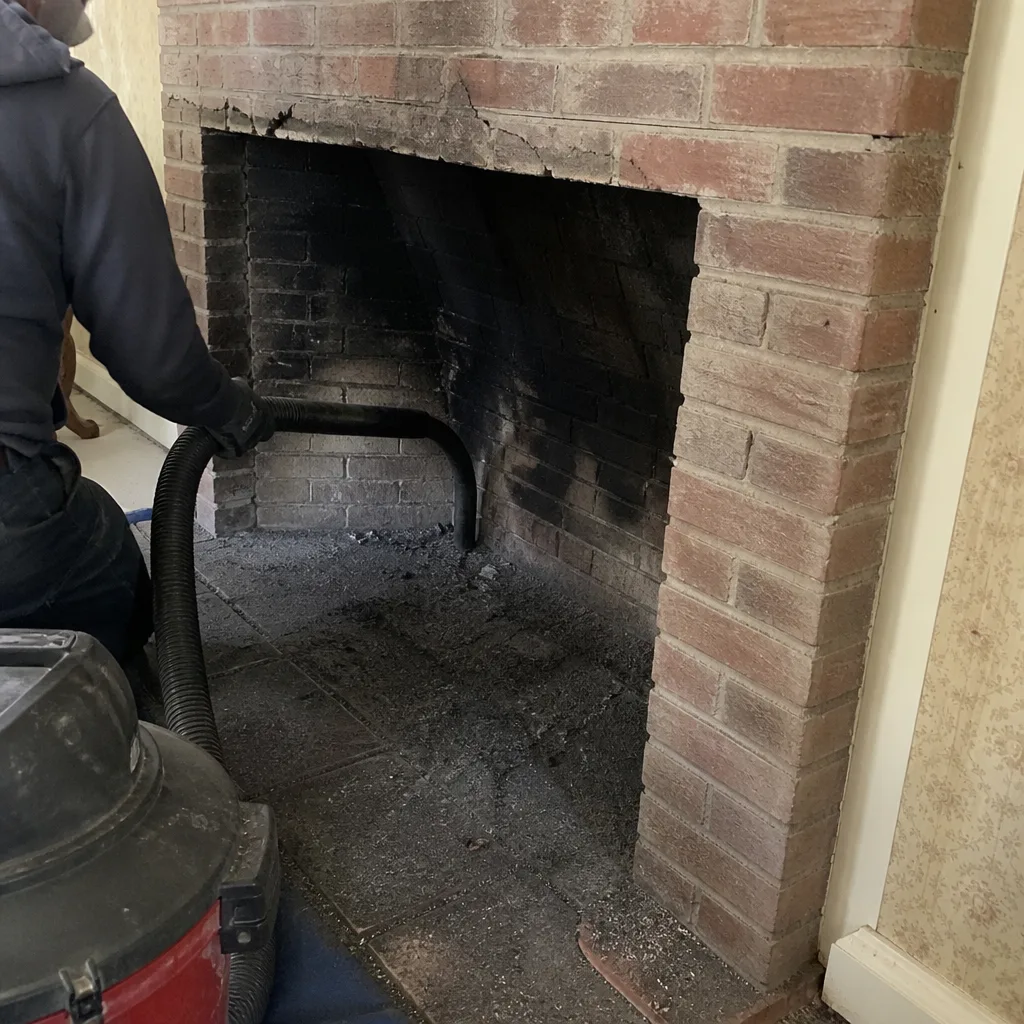 Before
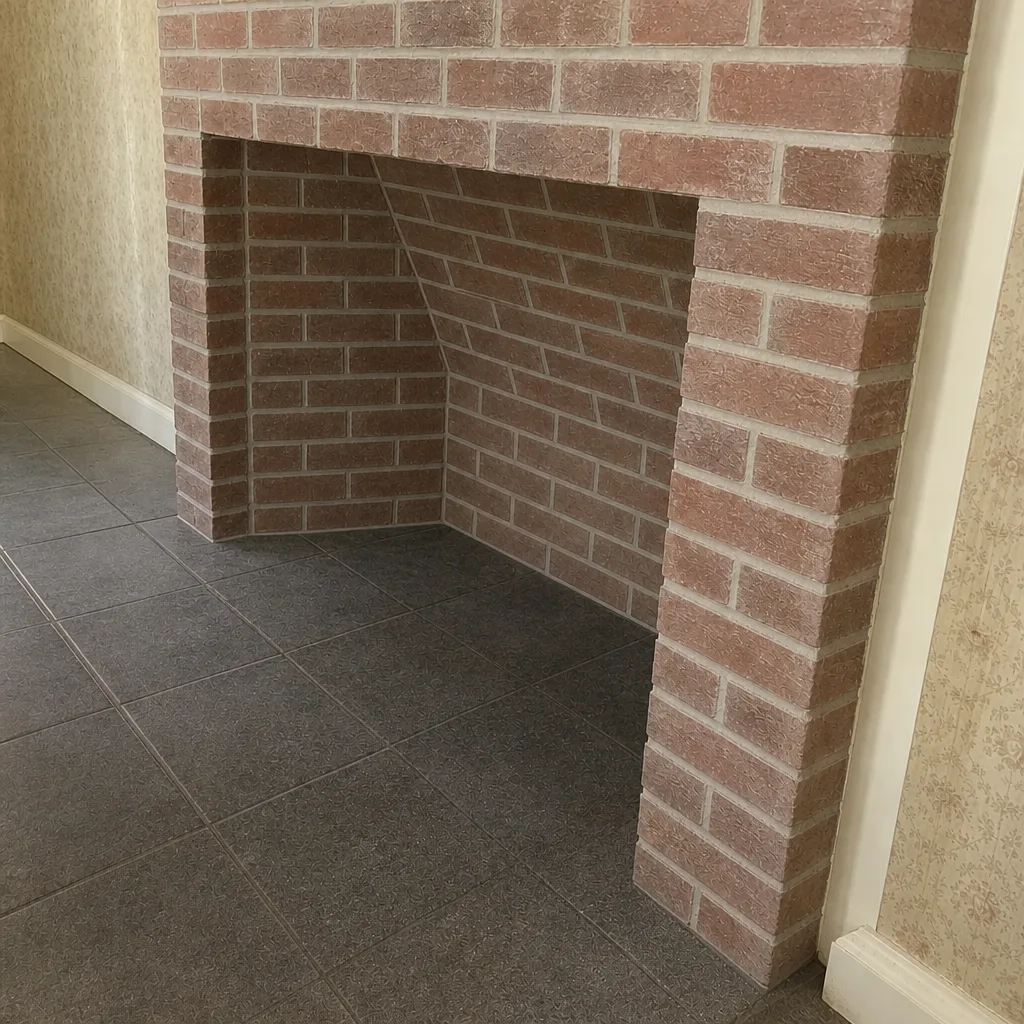 After
 Before
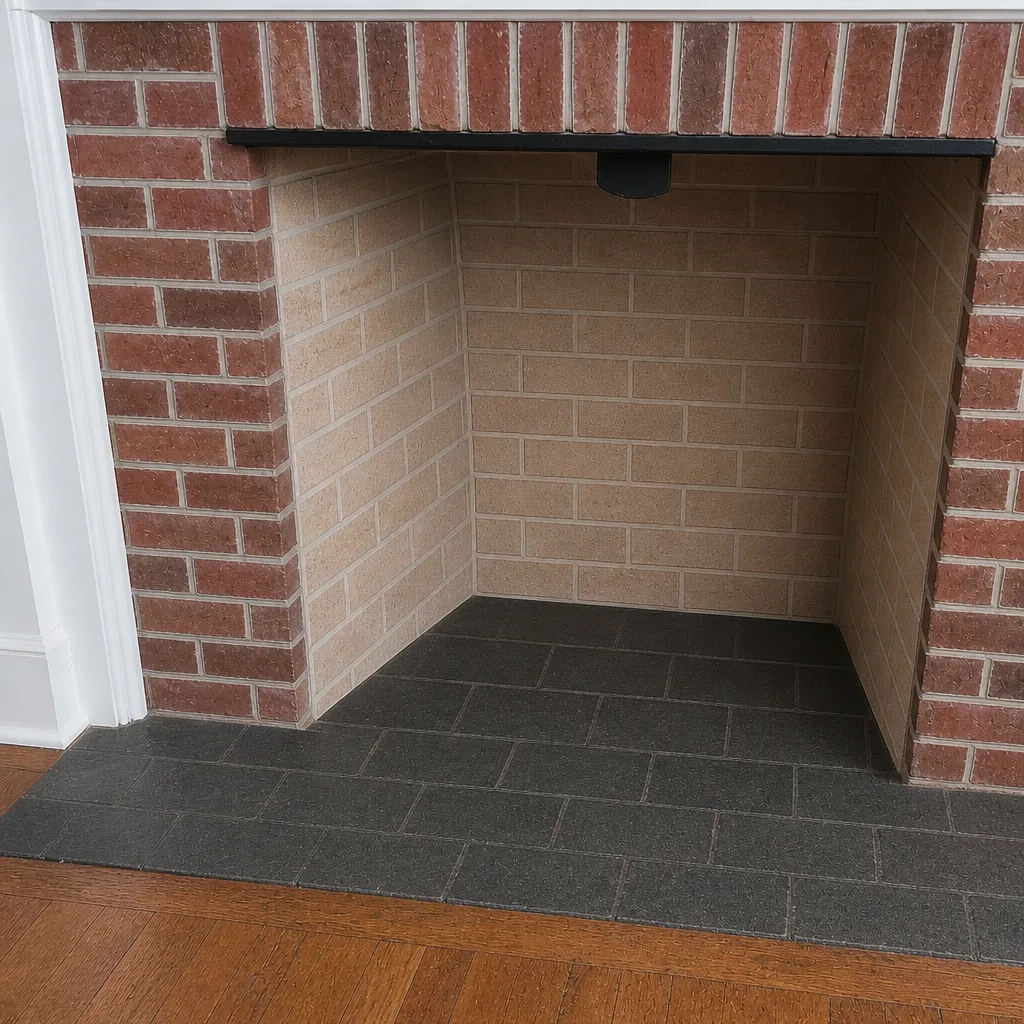 After
When to Call a Professional
Some of this is common sense. If you see a buildup of soot or creosote in the firebox, notice smoke backing into the room when you light a fire, or smell a strong chimney odor that doesn’t clear, call someone. If your wood stove is smoking or your fireplace hisses when it’s running, that’s not a small problem. If you’ve just bought a home in Hyde Park and don’t know when the chimney was last serviced, book an inspection before the first burn. If you’ve had a chimney fire, even a small one, book a Level 2 inspection before you light another fire, because the flue tiles can be cracked even when the chimney looks fine from the outside. And if you’ve never had the crown or cap checked, that’s worth a look even when nothing seems wrong, because those are the two cheapest repairs on the system and the two that cause the most expensive damage when they fail.
Chimney Sweep Hyde Park offers free estimates in Hyde Park. Call (877) 853-3126. We answer 24/7. Fast dispatch from 7am to 7pm, Sunday through Friday.
Frequently Asked Questions
A standard chimney cleaning in Hyde Park typically runs $185 to $350, depending on flue size, access, and creosote level. A Level 1 inspection is often included at no extra cost when the sweep is booked, and a Level 2 camera scan adds $250 to $500. These are estimated ranges and the written estimate sets the final price. Call (877) 853-3126 for an exact quote. Estimates are free.
The sweep cleans the flue; the inspection tells you whether it’s safe to use. Those are two different jobs. A sweep without an inspection is like an oil change with no dipstick check: the work happened, but nobody looked at what could go wrong. Book a Level 1 with every sweep, and a Level 2 camera scan if you haven’t had one in a few years or you’ve had a chimney fire. Call (877) 853-3126 to book both together.
For a wood-burning fireplace used regularly, once a year is the standard. The reason is the creosote buildup rate: New England’s long burning season and the mix of hardwoods and softwoods in use here mean creosote accumulates faster than it does in a milder climate. If you burn several cords a year, don’t stretch it beyond a year. Gas fireplace owners can go longer between cleanings, but should still have the system inspected. Call (877) 853-3126 to schedule.
HeatShield liner restoration can repair and resurface the existing flue from the inside, which costs less than installing a full new stainless liner because there’s no demolition, no cutting in, and less material. Not every flue is a candidate for restoration. If the damage is too extensive, full replacement is the right answer. Call (877) 853-3126 for a camera-based assessment and a written estimate.
You save the inspection cost today and pay for it later, usually as a liner repair or replacement, because the crack, the eroded mortar joint, or the blocked flue goes undetected while you keep burning. In a Hyde Park home, the delay from a missed inspection to a liner replacement is often measured in a couple of burning seasons. Call (877) 853-3126 to book an inspection and get the full picture.
For the basic service, we can often quote a range over the phone. For anything involving suspected liner damage, a crown issue, or a fireplace problem, the honest answer requires a camera scan, and that means a visit. We’ll tell you that clearly. Call (877) 853-3126. We answer 24/7. Fast dispatch from 7am to 7pm, Sunday through Friday. Estimates are free.
The Bottom Line
Chimney costs in Hyde Park are not random. The quote varies by hundreds of dollars because “chimney sweep” means different things depending on who’s saying it, and the gaps are always in the inspection, the camera scan, or the crown and cap line items. The cheapest bid usually leaves one of those out, and it costs more later. The math favors paying for the inspection, getting the camera footage, fixing the crown before the water gets in, and calling a specialist when something doesn’t look right. Bring us your questions. Chimney Sweep Hyde Park is a dedicated chimney and fireplace specialist, not a general contractor, and we’ll give you a straight answer before you spend a dollar.
Call (877) 853-3126 for a free estimate. We answer 24/7. Fast dispatch from 7am to 7pm, Sunday through Friday.
Written by the team at Chimney Sweep Hyde Park.