
Last updated November 25, 2026
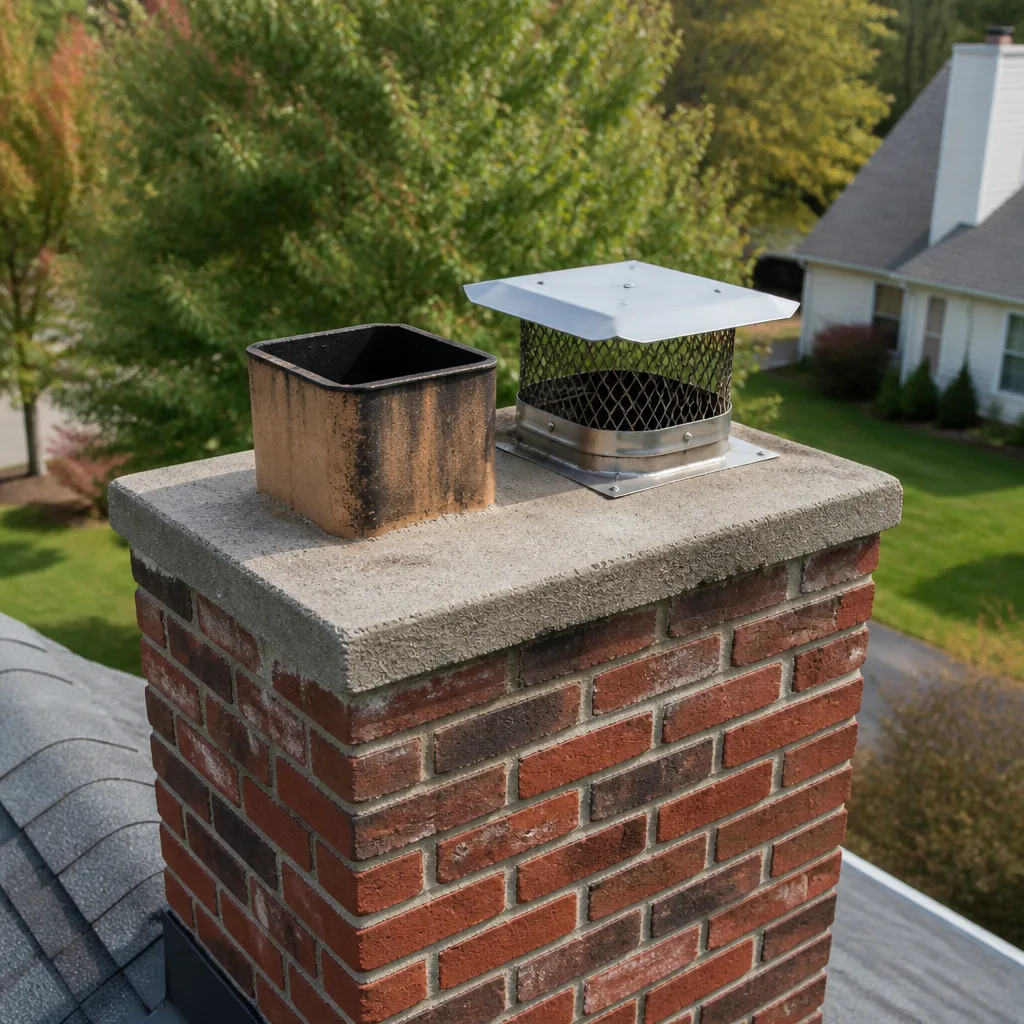 Sweep & inspection
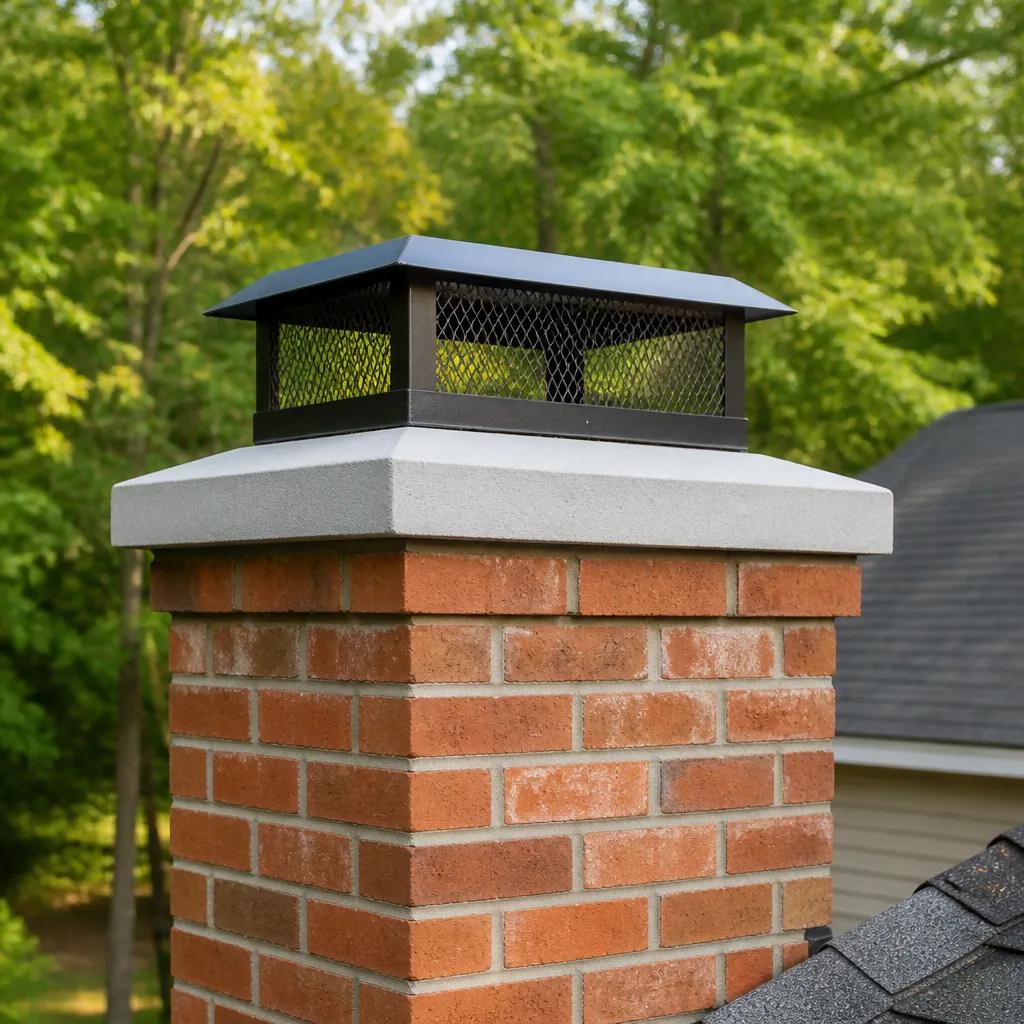 Caps & crowns
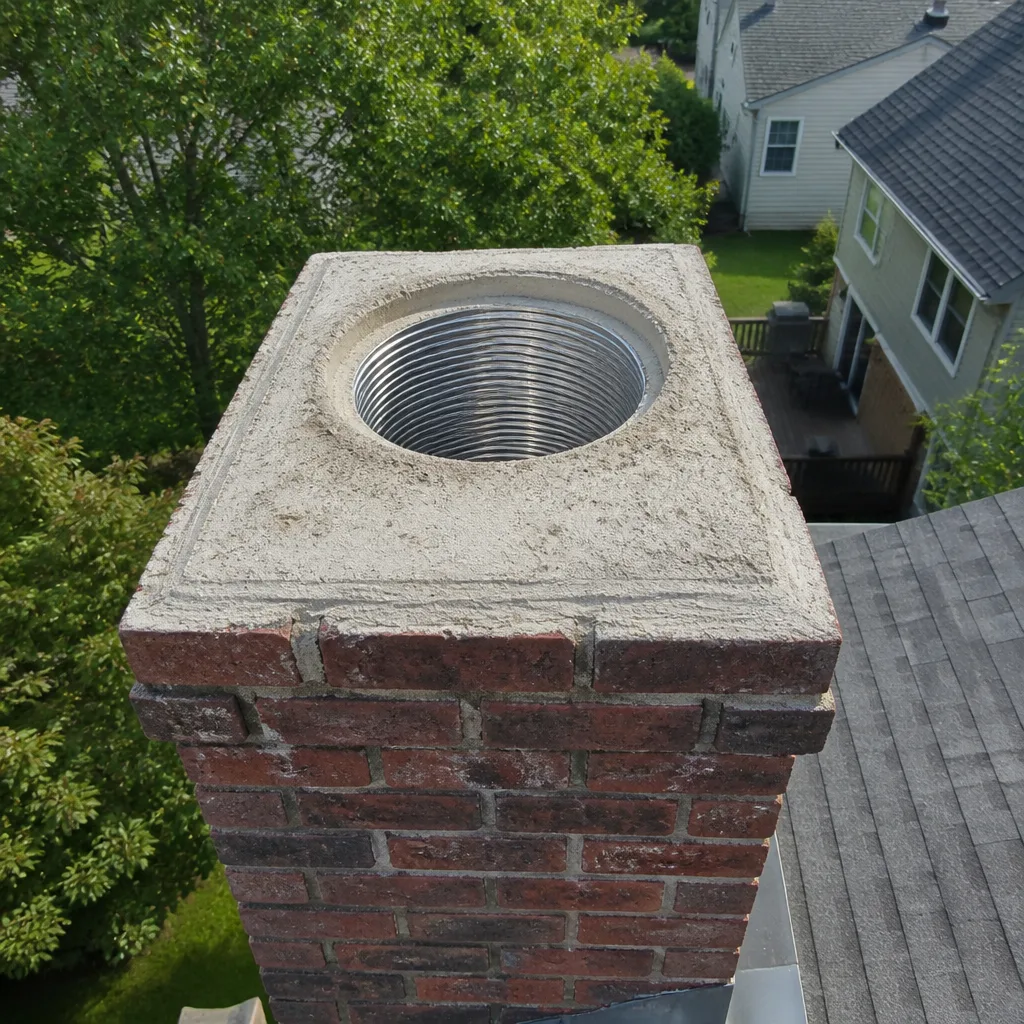 Flue relining
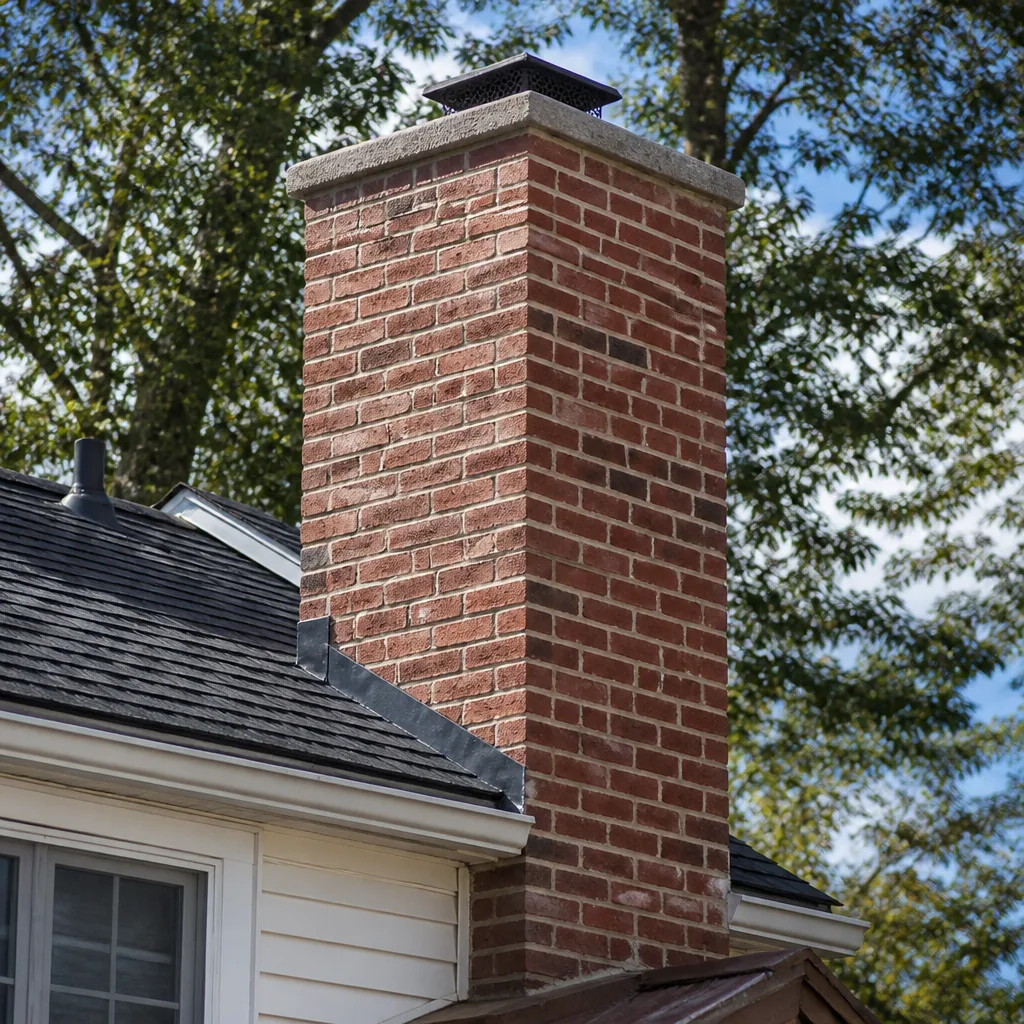 Masonry repair
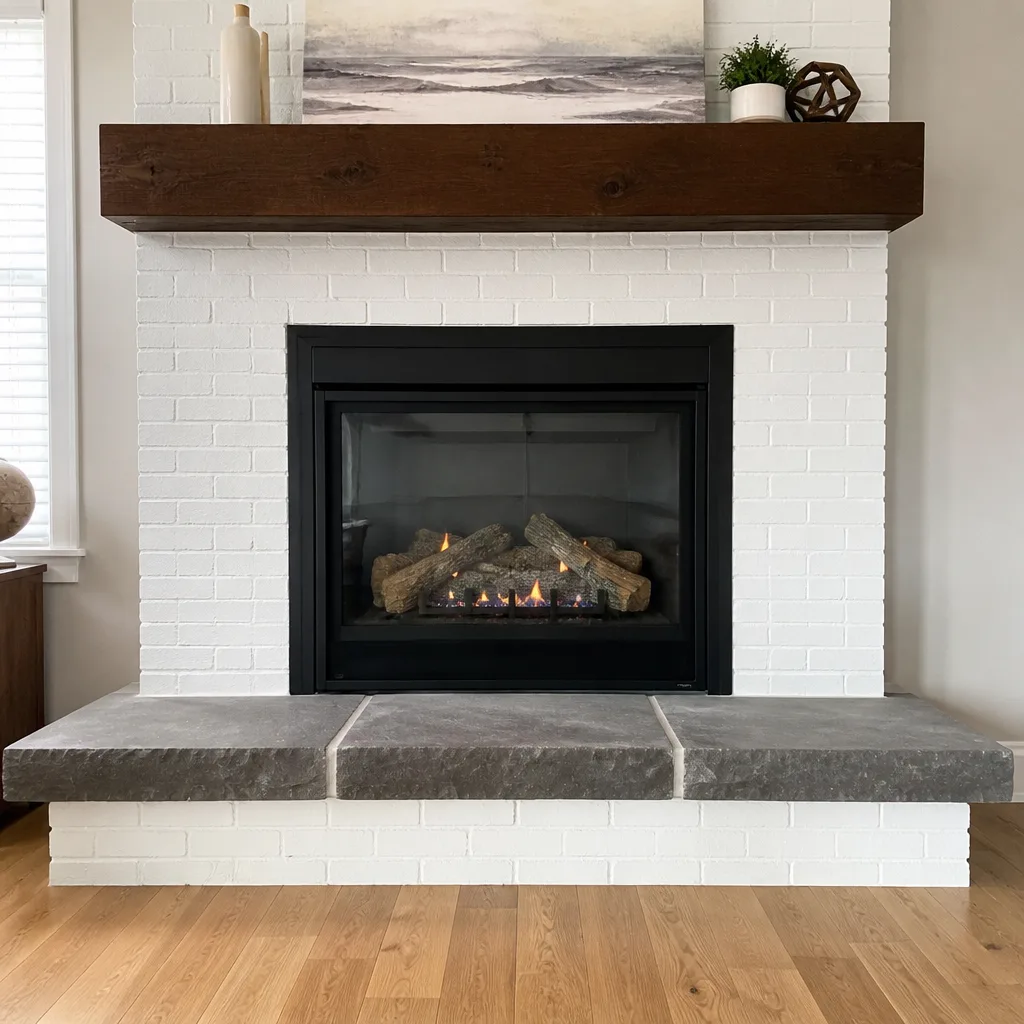 Gas fireplace service
Level 1 sweep and inspection to the NFPA 211 annual standard - flue, crown, cap, and flashing checked and photographed
Chimney sweep logs do not sweep chimneys. They loosen some creosote - which then falls where a brush and vacuum still have to collect it.
Chimney Cleaning Warning Signs: A Hyde Park Homeowner’s Reference Guide
Most homeowners watch their chimney for smoke and flames. Those are the wrong signals. By the time either becomes a warning sign, the problem has been developing for months. The chimney actually tells you what’s happening through quieter cues: a white bloom on the exterior brick, a rusted cap, a faint musty smell in July, a draft that takes a few extra seconds to catch. Learning to read those signals turns your chimney from a mystery into something you can monitor yourself. This guide walks through the visual, interior, and performance clues that matter in Hyde Park‘s older housing stock, and it draws a clear line between “book a sweep” and “stop using this fireplace today.”
Quick Answer
The core warning signs of a chimney that needs cleaning or inspection are: white staining or flaking on exterior brick (efflorescence and spalling), visible crown cracks, a rusted or missing cap, deteriorated flashing, receding mortar joints, smoke rolling back into the room, and black glazed creosote inside the firebox or flue. These signals matter because creosote buildup and water intrusion are the two most common causes of chimney fires and structural damage in Hyde Park’s older masonry chimneys. Anything that looks like glazed creosote or a persistent musty odor means stop using the fireplace and have it inspected before the next fire.
Styles & brands we work with
- Sweep & inspection
- Caps & crowns
- Flue relining
- Masonry repair
- Gas fireplace service
Table of Contents
- Seven Warning Signs You Can Read From Outside
- Interior Warning Signs That Matter Most
- Performance Signals: Draft, Rollback, and Odor
- Why a Musty Smell in Summer Is a Different Problem
- Understanding Creosote Stages and Glazing
- Schedule an Appointment vs. Stop Using Today
- How Often You Actually Need a Sweep
- What a Proper Sweep Involves
Seven Warning Signs You Can Read From Outside
You don’t need a ladder to catch most chimney problems. Stand on the ground at a distance and look at the chimney the way you’d study a crack in a sidewalk. These seven signals are readable from the yard and rank among the most reliable diagnostics we use on Chimney Sweep Hyde Park inspections.
1. Efflorescence. That white, powdery bloom on exterior masonry isn’t cosmetic. It’s the chimney telling you water has breached the structure and is pushing mineral salts outward through the brick. When efflorescence shows up, water is already inside the masonry, and it will find a way through eventually.
2. Spalling brick faces. If the front face of a brick is peeling away or popping off in flakes, that brick is failing. Spalling follows repeated freeze-thaw cycles, and Hyde Park’s winters deliver those reliably. Spalled brick means moisture has saturated the masonry and structural integrity is coming loose in layers.
3. Crown cracking. The crown is the sloped concrete cap at the top of the chimney. When it cracks, water runs directly into the flue and into the masonry below. A hairline crack is manageable; a cracked crown that’s pulling away from the flue is a direct conduit for water damage.
4. Rusted cap. A rusty chimney cap & crown usually means the cap has done its job for years and is now failing where it matters. A rusted cap stops keeping water out and often lets animals in. Both problems accelerate from there.
5. Damaged flashing. Flashing is the metal seal where the chimney meets the roofline. Curling, lifting, or tar-patched flashing lets water slip under the roof. In our experience, flashing is one of the most overlooked signs on Hyde Park’s older homes, where flashings were often modified by roofers without proper sealing.
6. Mortar recession. Run your eye up the joints between bricks. When mortar sits recessed more than it did originally, it’s weathering out. Receding mortar is the leading precursor to spalling, and it opens the door to water penetration.
7. Vegetation growth. Ivy, moss, or grass growing from a chimney or gutter joint means there’s moisture feeding it. Vegetation doesn’t cause chimney damage, but its presence almost always confirms moisture is already there.
Note which of these signals you’re seeing and how many. One cracked crown with no other symptoms is a common, manageable repair. Efflorescence plus spalling plus a rusted cap is a chimney asking for attention across its whole system.
Interior Warning Signs That Matter Most
Inside the firebox, the cues shift from structural to combustion-related. These are the signs that tell you how the fireplace is actually behaving, not just how the masonry is holding up. Before we sweep, we inspect the interior, because sweeping without reading the firebox is like changing oil without checking the engine.
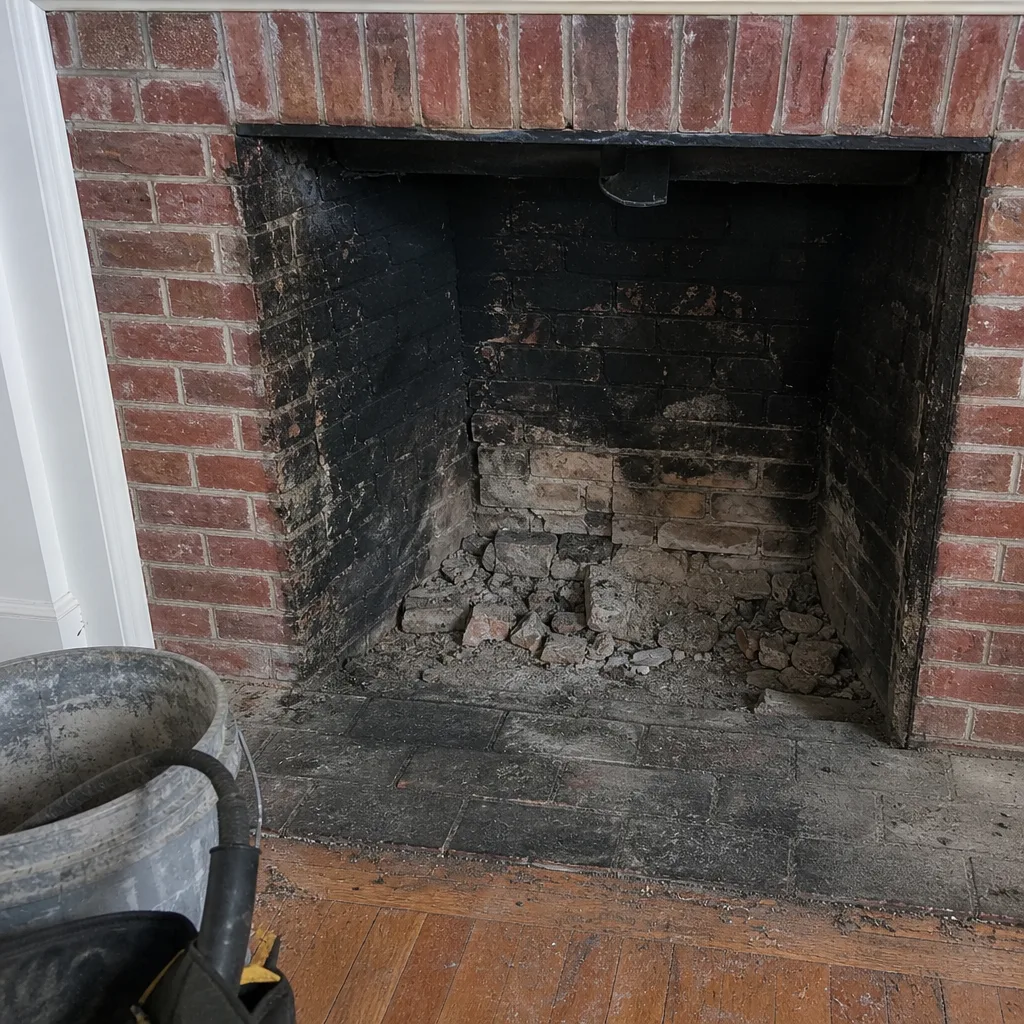
- White haze on the damper or smoke chamber. A chalky film on the damper and firebox walls means soot and creosote have been combusting at higher temperatures than a well-drafted fireplace should. It’s a sign the fireplace has been running hot or the draft has been insufficient.
- Black glazing on the firebox walls. If soot looks shiny and glassy instead of powdery, you’re looking at stage 3 creosote. It’s the most combustible creosote on the scale, and it typically means the damper was choked down too far on slow-burning fires or the wood was under-seasoned. Glazing warrants stopping use and calling for inspection.
- Rust staining at the smoke chamber. Rust anywhere inside the chimney firebox is a definitive signal of ongoing water intrusion. It’s the interior cousin of exterior efflorescence, and it usually means a cap, crown, or flashing problem is active. Rust staining is one of the most common reasons we recommend cap and crown work on Hyde Park chimneys.
- Crumbling firebrick mortar. Firebrick that’s pitted or has loose mortar in the firebox can allow heat and gas to reach the masonry behind it. This is a repair issue, not a cleaning one, and it’s most visible when the firebox is cold and clean.
A clean, gray firebox with powdery soot is normal wear. Glossy, crusted, or stained is a different story. Interior signals age the fastest, which is why we recommend checking them before the heating season rather than at the point where something smells off.
Performance Signals: Draft, Rollback, and Odor
Performance signals are the operating-system cues of your chimney. They tell you how the system is performing right now, not how it looked last year. These are the ones homeowners notice first, though often they’re misread as normal.
Smoke rollback. Smoke curling out of the fireplace opening into the room rather than going up the flue is draft failure. It can result from a partially closed damper, downstream block by soot or debris, a flue that’s undersized for the fireplace, or a competing exhaust appliance pulling air the chimney needs. In Hyde Park’s older homes, both undersized flues and modern exhaust fans in kitchens and bathrooms frequently interact with the chimney draft in ways the original builders never anticipated.
Delayed draft establishment. Every wood fireplace takes a few minutes to warm the flue and start drawing properly. The key is the word “few.” If smoke starts by taking thirty seconds or more to stop spilling, or if the fire struggles to catch even after it’s lit, the draft path has an issue. Chimney caps that are undersized or clogged with soot can cause exactly this. So can a flue that hasn’t been swept in several seasons.
Odor characteristics. Odors are diagnostic because each type points to a specific cause.
- Smoky, acrid smell when you open the damper after a few months cold: normal creosote vaporization in a dirty flue, usually solved by a sweep.
- Sharp, campfire-like smell in warm weather: chemical off-gassing from creosote as ambient temperatures rise, often independent of any active leak.
- Musty, earthy, damp smell: active water intrusion, not a combustion issue. This one is covered in the next section.
If you’re seeing two or more performance signals at once, call for an inspection. Multiple signals together are more telling than any single one.
Why a Musty Smell in Summer Is a Different Problem
A faint smoky smell after a fire is normal. So is a low creosote smell coming off the fireplace on the first warm day of spring. What isn’t normal is a musty, damp, or earthy smell that shows up in the middle of summer with no visible staining anywhere. That musty smell means water is entering your chimney somewhere the eye can’t see from the outside.
The reason is straightforward. Water finds its way into mortar joints, around a failing cap, behind a compromised crown, or through a deteriorated smoke chamber, and it soaks into the masonry and the creosote deposits inside the flue. In Hyde Park’s humid summer months, that moisture doesn’t dry out once it’s been absorbed. It stays, warms up, and the organic deposits in the flue go musty. You smell it before you see it.
This is the point where many homeowners assume they’re imagining things because there’s no stain and no leak in the room. We’ve learned to treat a persistent summer musty odor as a near-certain sign of active water intrusion even when the exterior masonry looks clean. A close inspection of the crown, the cap, the flashing, and the smoke chamber almost always finds the entry point.
Water intrusion is the single most expensive chimney problem to ignore. It doesn’t self-correct, and it compounds: a slow leak through a crown crack becomes a spalling brick wall, which becomes a rebuilding job. Catching it in the musty-smell stage makes the repair far smaller.
Understanding Creosote Stages and Glazing
Creosote is a natural byproduct of burning wood. It forms as a vapor and condenses on the flue walls as a solid deposit that comes in roughly three stages.
- Stage 1: Soot. Flaky, powdery, easy to brush. Most chimneys run through this stage between normal sweeps. It isn’t dangerous on its own, but it’s the layer future deposits build on.
- Stage 2: Puffy or crusty deposit. Tar-like, harder, and not fully brushable with standard equipment. This is where clogs start forming. It’s also often the stage where we first see smoke rollback or a noticeable draft issue.
- Stage 3: Glazed creosote. Hard, shiny, and highly combustible. It’s often described as looking like black glass, and it forms when chimney temperatures are choked down or wood is burned poorly. Glazed creosote is the main driver of chimney fires because it ignites at temperatures a normal fireplace can reach. It is a safety issue that needs a professional assessment, not a home cleanup.
On the exterior side of that story, glazed creosote usually pairs with insufficient draft or poorly seasoned wood. On the interior side, it shows up as black coating on the firebox walls and the damper. When we find glazed creosote in Hyde Park homes, it’s frequently a chimney where the previous owner burned unseasoned or wet wood and kept the damper choked down to slow the burn. The habit is understandable. The result isn’t, which is why we talk through dry wood and proper air handling during every inspection.
The workable rule: powdery creosote is a scheduling reminder. Glazed creosote is a reason to stop using the fireplace today.
Schedule an Appointment vs. Stop Using Today
The single most useful distinction in this guide is between what warrants scheduling and what warrants stopping. Reading warning signs without that distinction produces two opposite errors: panicking over cosmetic wear, or ignoring something that has already crossed the line.
Schedule an appointment for:
- Efflorescence or a small isolated crack in the crown
- A smoky smell on first use of the season, or a persistent campfire smell in warm weather
- Occasional smoke spill that clears within the first thirty seconds of a fire
- A chimney you haven’t had swept or inspected in several seasons
- Visible soot inside the firebox, even in a normal powdery state
- Rust starting on a cap that otherwise looks intact
Stop using the fireplace today and call:
- Black, glossy, or crusted deposits on firebox walls (stage 3 creosote)
- Smoke that rolls persistently back into the room or spills even after the fire is established
- Any sign of carbon monoxide in the home, such as a detector sounding with no other cause
- A visible crack running through the flue tiles or an obvious structural shift in the chimney
- A musty smell that persists through warm weather (water intrusion), unless you can confirm the source and seal it
Between those two categories, the safe rule is to stop when in doubt and have a certified technician look. The cost of an extra inspection is far lower than the cost of a chimney-related incident.
How Often You Actually Need a Sweep
Frequent sweeping beats deep cleaning. If you burn more than a cord of wood per winter, or if you’ve noticed even one of the interior or performance warning signs above, you’re likely due for a chimney sweep.
As a general baseline, annual inspection is a good default, and sweeping depends on how much you burn and how well the fire runs. Use these triggers:
- New to the home. Whenever you’ve purchased a Hyde Park home with a fireplace that had previous owners, assume the chimney has no reliable service history and have it inspected first.
- Heavy use. If you burn wood through most of the winter, you’re producing far more soot and creosote than occasional users. Plan a sweep annually.
- Observable signs. Any of the interior or performance signals in this guide is a direct trigger for a sweep and inspection.
- Poor draft. A weak draft, rollback, or a sluggish fire is often a sign of creosote or another obstruction. Don’t push through it. Sweep it.
- Gas fireplace. Gas fireplaces still need inspection, though the maintenance profile is different. The gas log set, venting, and firebox should be checked periodically.
Before we sweep, we inspect, because the condition of the firebox and flue determines how the sweep is approached. A chimney that looks “fine” on the outside but shows glazed creosote inside is treated differently from one with simple powder soot. That’s the whole point of a specialty service rather than a generic one.
What a Proper Sweep Involves
A professional chimney cleaning is more than a brush run through the flue. On Chimney Sweep Hyde Park jobs, the work splits into inspection, cleaning, and a clear record of what was found.
Inspection. We start by looking at the whole system before touching a brush: flue, firebox, damper, smoke chamber, crown, cap, flashing, and exterior masonry. Warning signs that are read before the sweep is the point. A quick glance after the fact usually misses the subtle ones.
Sweeping. The firebox and flue are cleaned using professional equipment sized to the flue. We layer the work so the creosote is removed without damaging the liner. Most sweeps take under two hours.
Report. A proper sweep ends with a documented assessment of what we found, including what will need attention, and when. If we’re recommending lining or structural repairs, we can discuss the options at that point. A range of professional-grade systems, including DuraFlex, Olympia Chimney, and Famco, are options for that kind of restoration.
If liner damage is found, HeatShield restoration is often the right move. It restores the integrity of a damaged flue liner without full removal and replacement, which is a meaningful cost difference on a system this critical. That repair is done by specialists trained on that system, not handed off to a general contractor. A sweep is the entry point into the whole chimney system, and it’s a natural opportunity to check the crown, cap, and firebox while we’re already on site.
Occasionally, a sweep also turns into fireplace repair work when the firebox or damper shows damage. Having one specialist for the chimney, cap, crown, and fireplace is the reason a general contractor isn’t the right call for this kind of work.
Common Mistakes to Avoid
- Only watching the fire. Watching for flames or smoke is the least useful diagnostic habit. The chimney’s most important warnings are quiet – a white stain, a hairline crown crack, a faint summer odor.
- Treating efflorescence as cosmetic. Efflorescence means water has already breached the structure. Painting over it doesn’t stop the water. It hides the symptom while the damage continues.
- Skipping inspection because the sweep “looks clean.” A clean firebox can hide glazed creosote further up the flue. Sweeping without inspecting is the most common way a problem quietly grows between seasons.
- Burning wet or unseasoned wood to stretch the supply. Under-seasoned wood produces far more creosote than dry wood. In Hyde Park’s cool months, this is one of the fastest routes to stage 3 deposits.
- Ignoring a musty smell in July. A musty smell in warm weather is a water-intrusion signal. Waiting until the first fire of fall almost always means the leak has grown.
- Relying on cheap hardware-store caps. A cap is a first-line defense against water, animals, and sparks. A cap that fits poorly or rusts quickly undermines the whole chimney. We work with professional-grade caps from Copperfield, Olympia Chimney, and similar lines because they’re built to the job.
- Putting off annual inspection. The most expensive repairs we see are almost always problems that were visible as warning signs for at least a full season first.
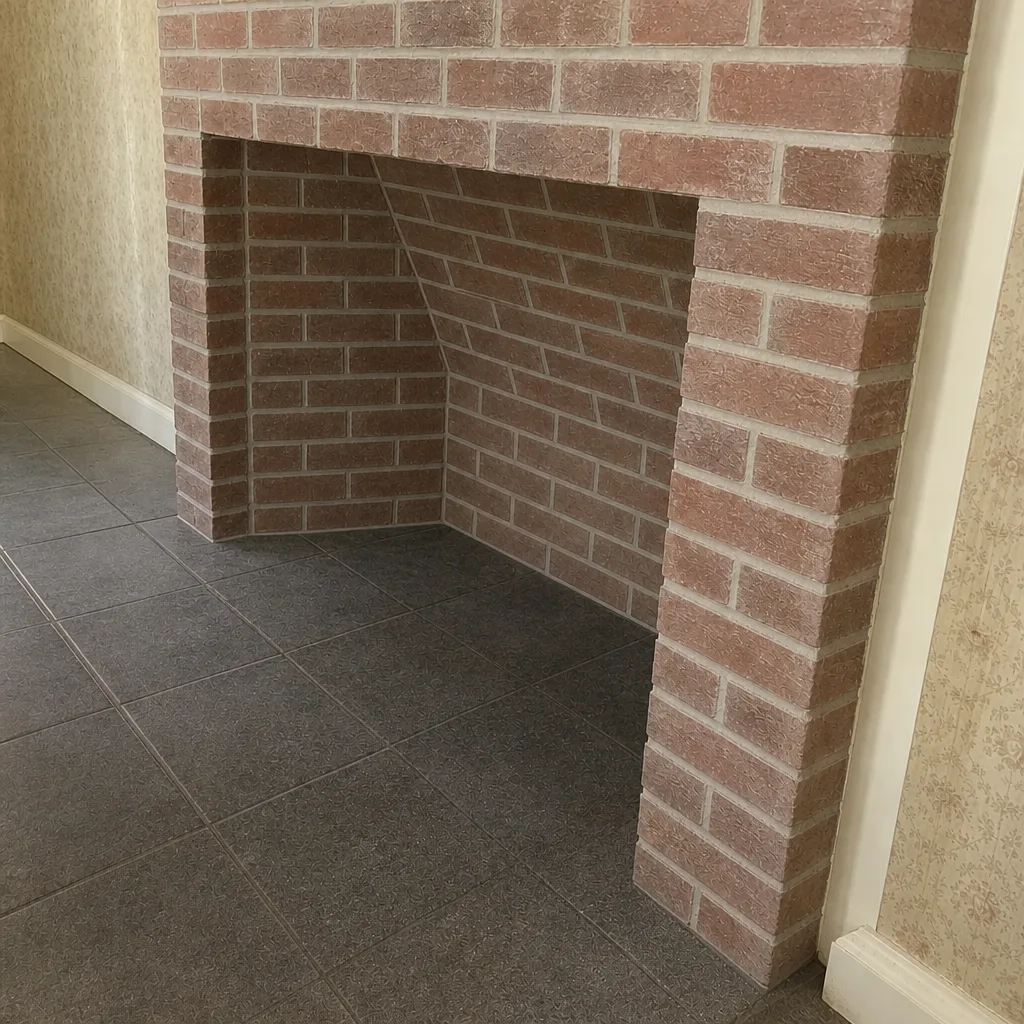
See the difference
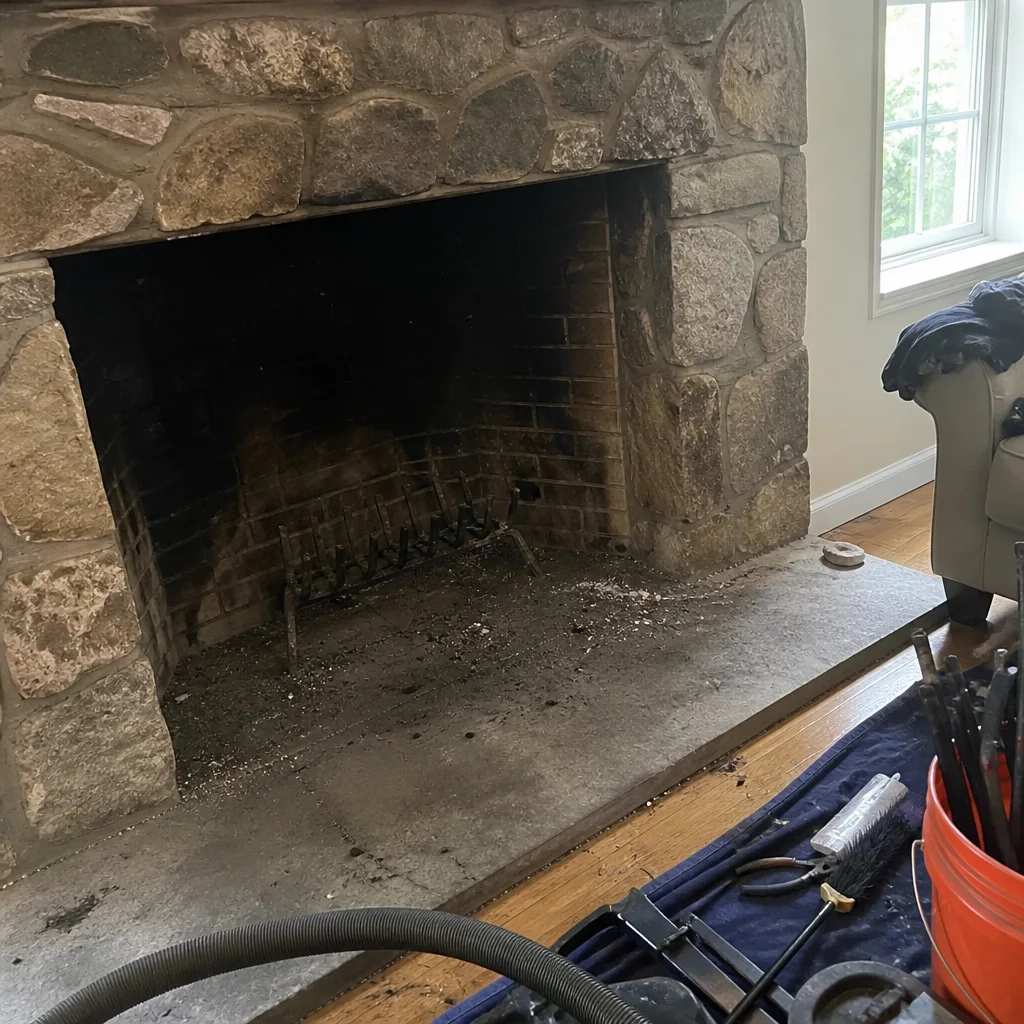 Before
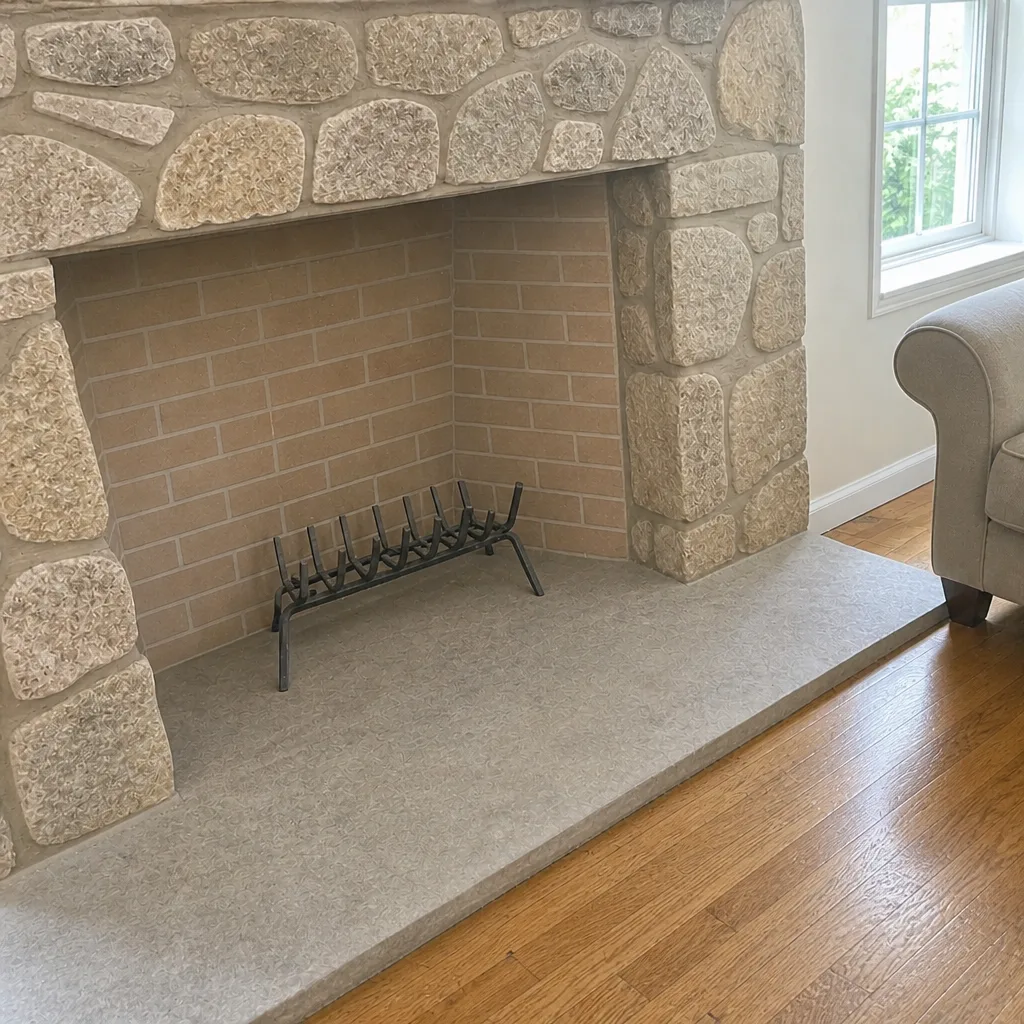 After
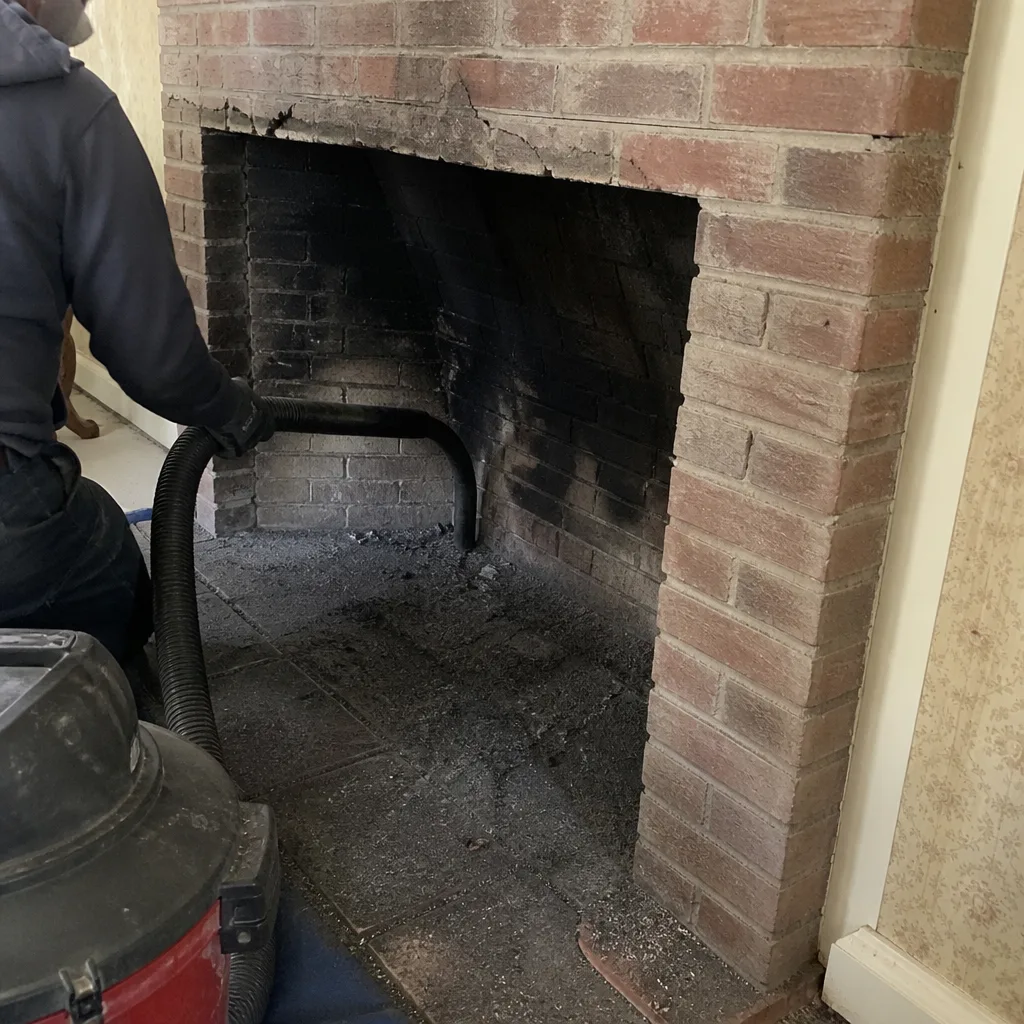 Before
 After
 Before
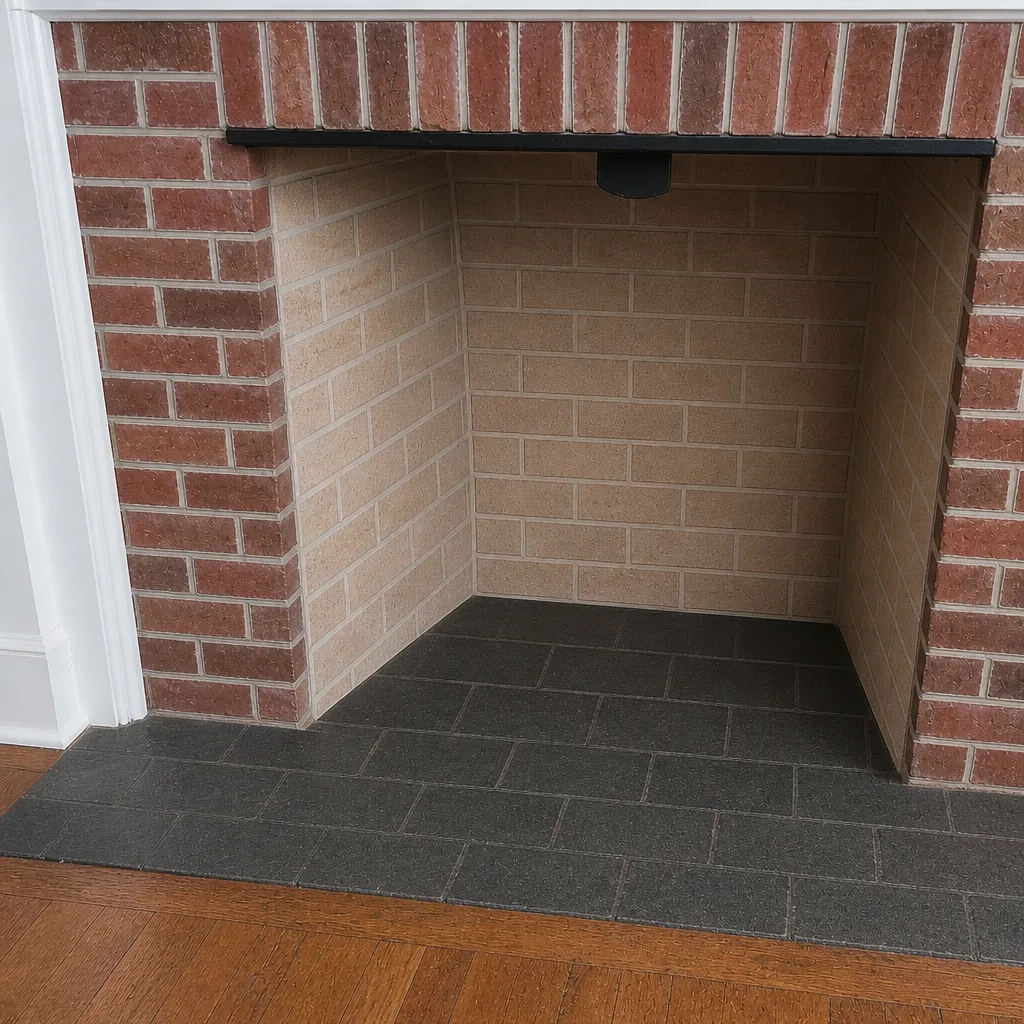 After
When to Call a Professional
Some warning signs warrant a sweep. Others warrant a call. Call us when you see black glazing on the firebox walls, persistent smoke rollback, a musty smell that doesn’t clear in warm weather, a crown crack that’s visibly widening, or a chimney you’ve never had inspected. Any one of those is a reason to stop using the fireplace until a technician has looked at it. Never put off a call because the fire “still works” – most of the signs in this guide coexist with a usable fire right up until they don’t.
Chimney Sweep Hyde Park offers free estimates in Hyde Park – call (877) 853-3126. Our technicians have up to 11 years of experience, and we work with professional-grade systems across the whole chimney, not just the flue. We answer 24/7, and dispatch runs 7am to 7pm Sunday through Friday, closed Saturday.
Frequently Asked Questions
Look for the exterior warning signs from the ground: white efflorescence, spalling brick faces, cracks in the crown, rust on the cap, damaged flashing, receding mortar, and any vegetation growth. If two or more of those are present, or you notice smoke rollback, a sluggish draft, or a black glaze in the firebox, schedule a sweep. If you see glazed creosote or persistent rollback, stop using the fireplace until a technician looks at it. Call (877) 853-3126 for an exact quote – estimates are free.
Yes. That white stain is efflorescence, and it means water has already breached the masonry and is pushing mineral salts outward. It’s not a cosmetic issue. The fix requires finding the entry point – usually a crown, cap, or flashing issue – and repairing it before the water damage reaches the structural core of the chimney. In Hyde Park’s freeze-thaw winters, untreated moisture is the number one cause of spalling brick.
Glazed creosote looks like shiny black glass coated onto the firebox walls or the flue. It’s stage 3 creosote, and it’s the most combustible form. It forms when the fire is choked down or the wood is too wet, and it can ignite at temperatures a normal fire reaches. If you see it, stop using the fireplace and have it inspected. It’s not a home-cleanup job.
Because warm weather amplifies moisture in the flue. In summer, water that has entered the chimney through a failing crown, cap, or flashing soaks into the masonry and creosote deposits and warms up. The result is a musty, earthy smell that doesn’t show up in winter. It’s a strong signal of active water intrusion even when there’s no visible exterior staining. Call (877) 853-3126 for an exact quote – estimates are free.
Not always. One cracked crown or a little rust on a cap is often a candidate for a sweep plus a targeted repair. Efflorescence combined with spalling, or receding mortar paired with a failing cap, usually means the whole system needs assessment, and sometimes cap and crown work before the heating season. The inspection tells you which situation you’re in. Before we sweep, we inspect, so the recommendation matches the actual cause.
Scheduling-level signs include smoky smell on first use, small crown cracks, light rust on a cap, and occasional brief smoke spill that clears early. Stop-using signs include black glazed creosote, persistent smoke rollback, carbon monoxide detected in the home, visible flue-tile cracks, or a musty smell that won’t clear. When in doubt, treat it as a stop-use and call for inspection.
The Bottom Line
Your chimney is communicating around the clock, but the language is visual, structural, and olfactory, not the language of smoke and flames. Read the exterior masonry, check the firebox and damper, and pay attention to performance cues like draft, rollback, and odor. Any single sign is a scheduling trigger. Glazed creosote, persistent rollback, or a summer musty smell are stop-use triggers.
Chimney Sweep Hyde Park provides the full sweep-and-inspect service on this system, and the same visit can assess cap, crown, and fireplace condition. Call (877) 853-3126 for a free estimate. We answer 24/7. Fast dispatch from 7am to 7pm, Sunday through Friday, closed Saturday.
Written by the team at Chimney Sweep Hyde Park.