
Last updated November 25, 2026
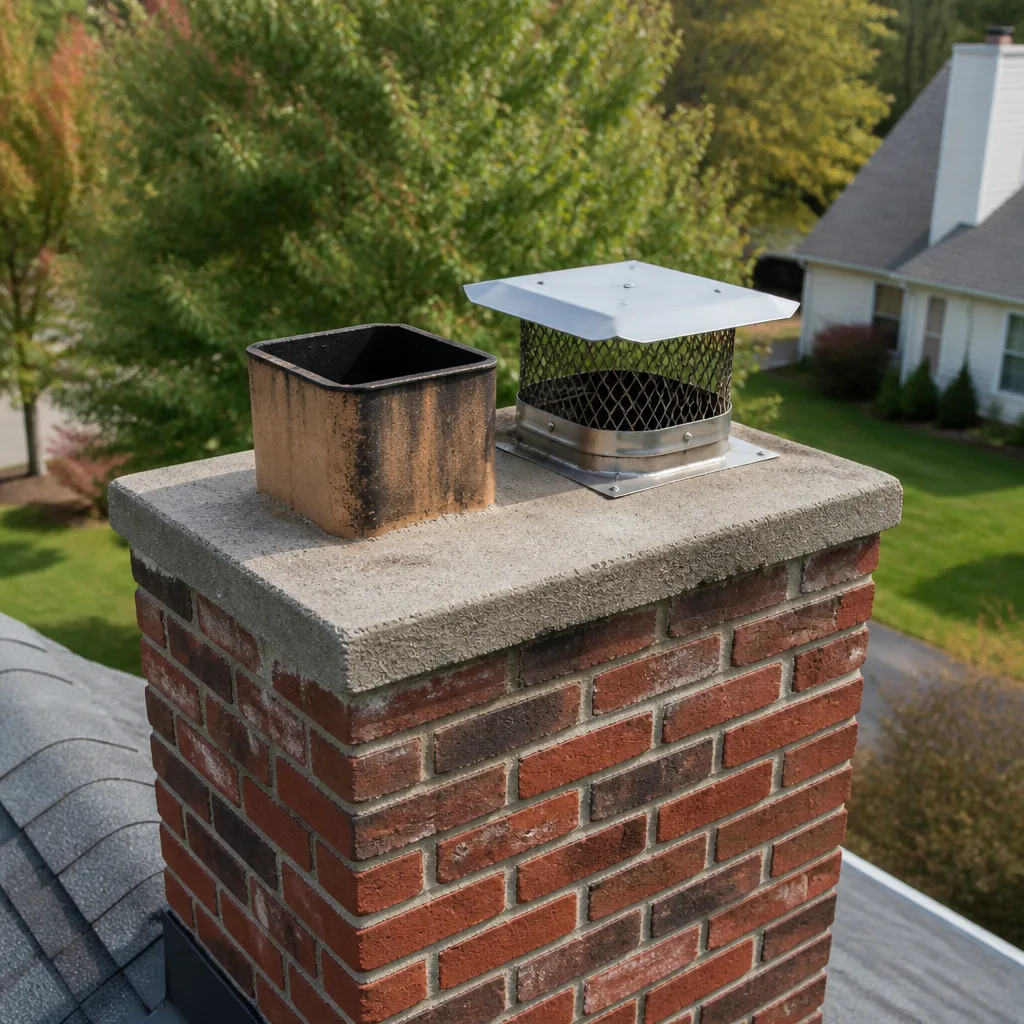 Sweep & inspection
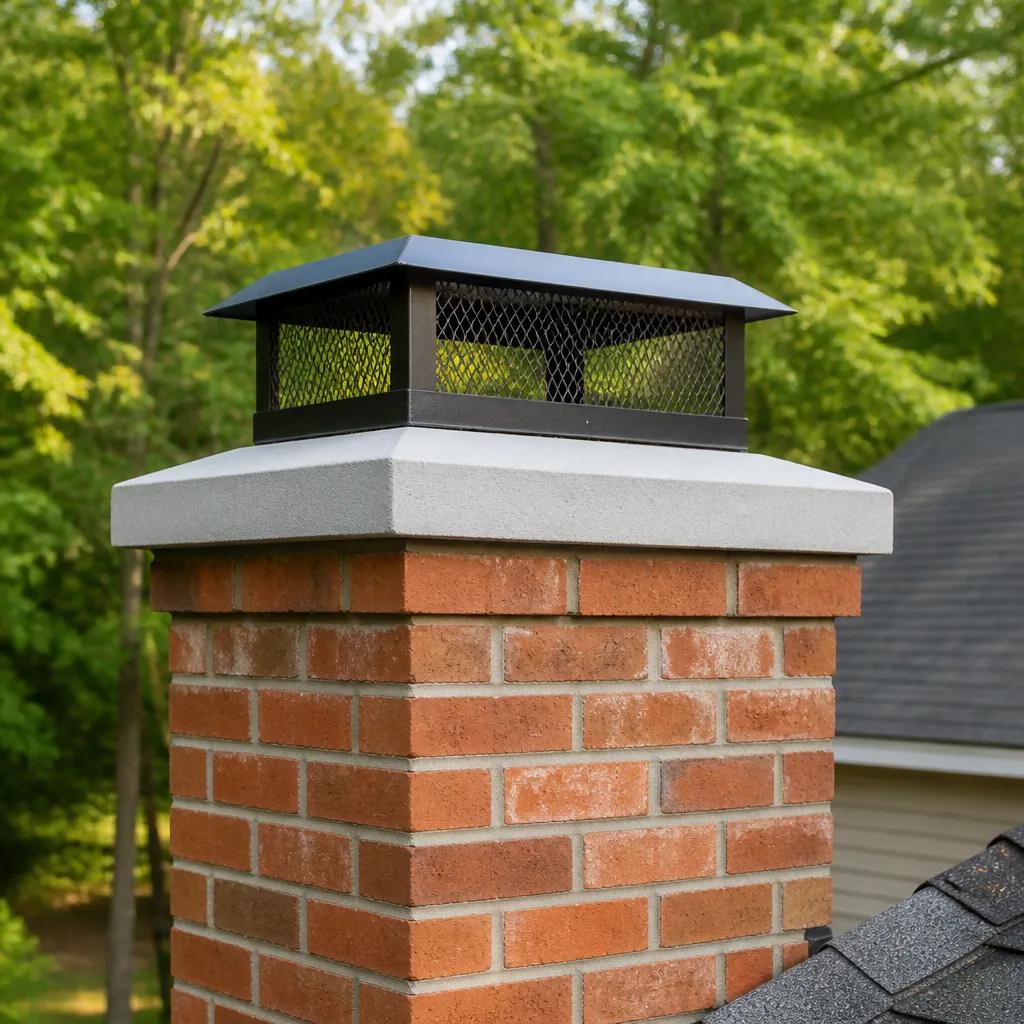 Caps & crowns
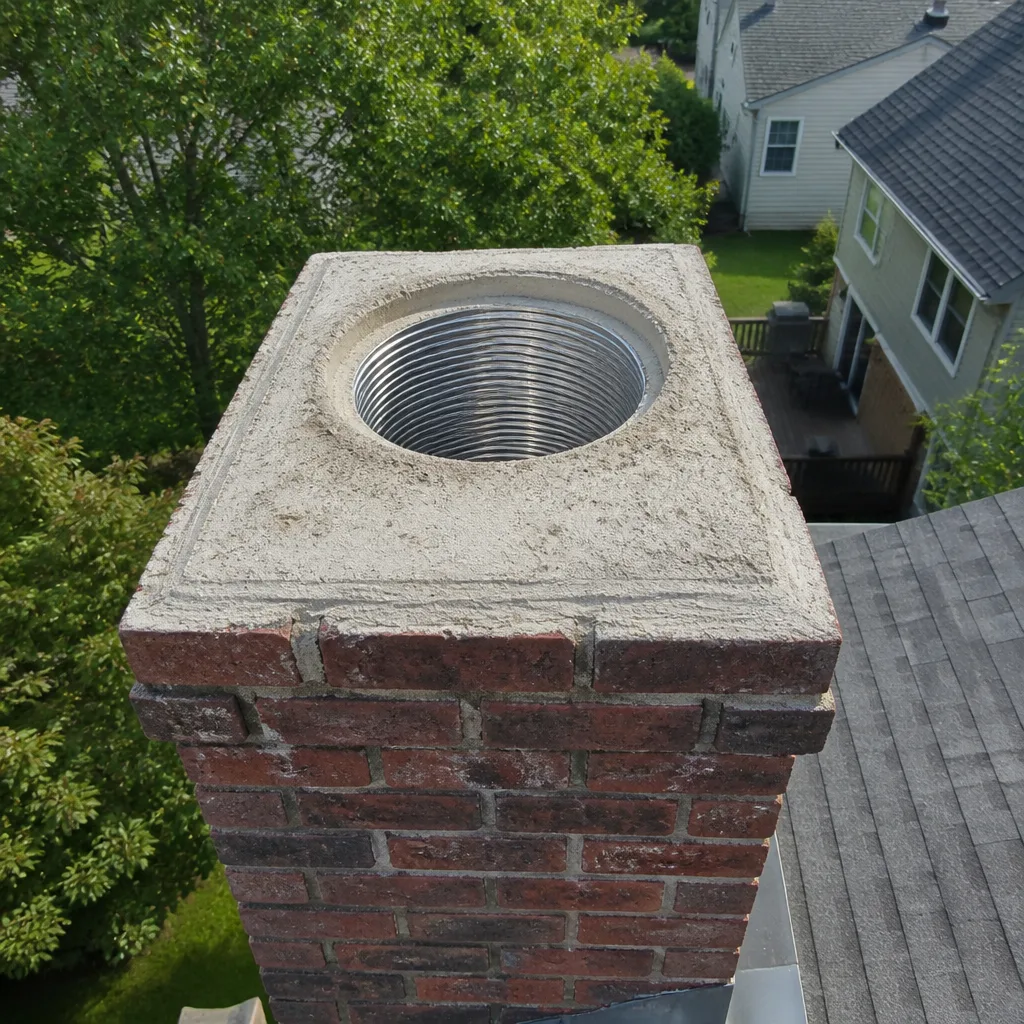 Flue relining
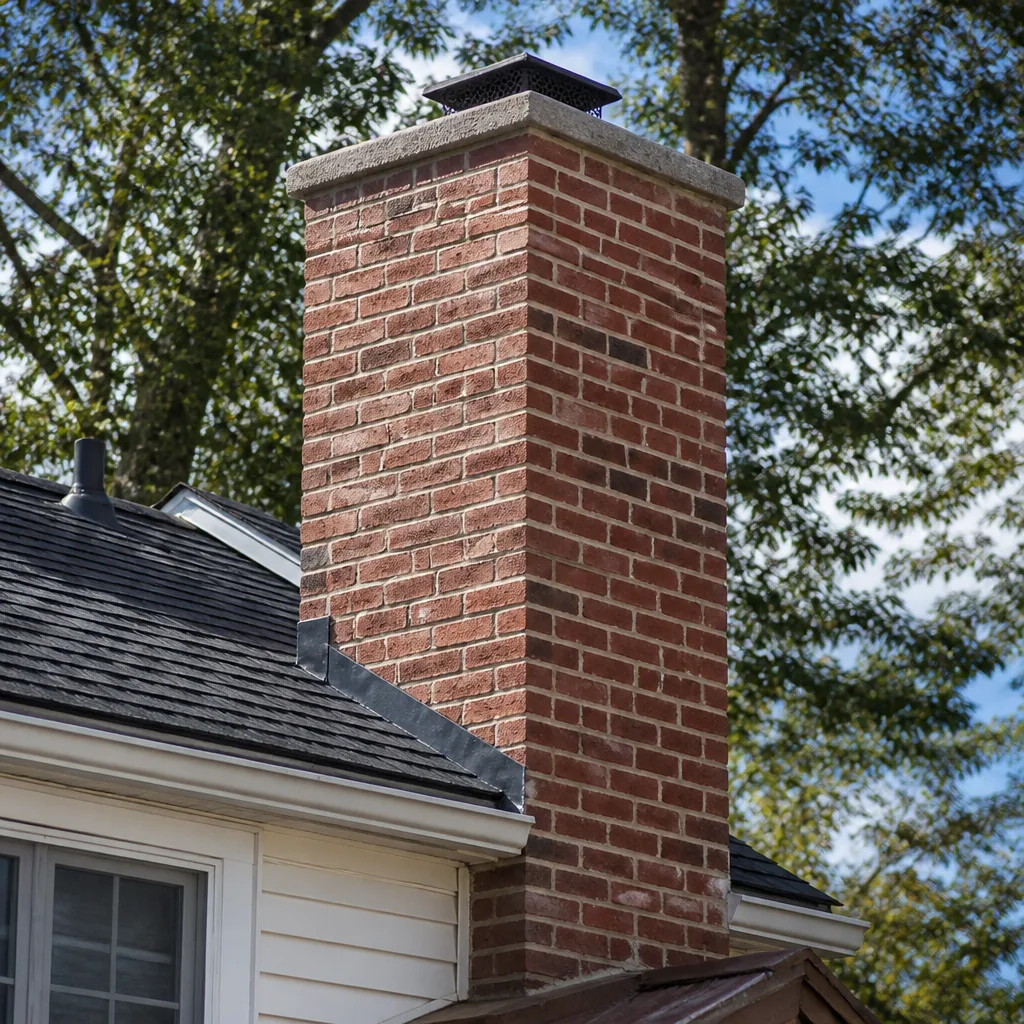 Masonry repair
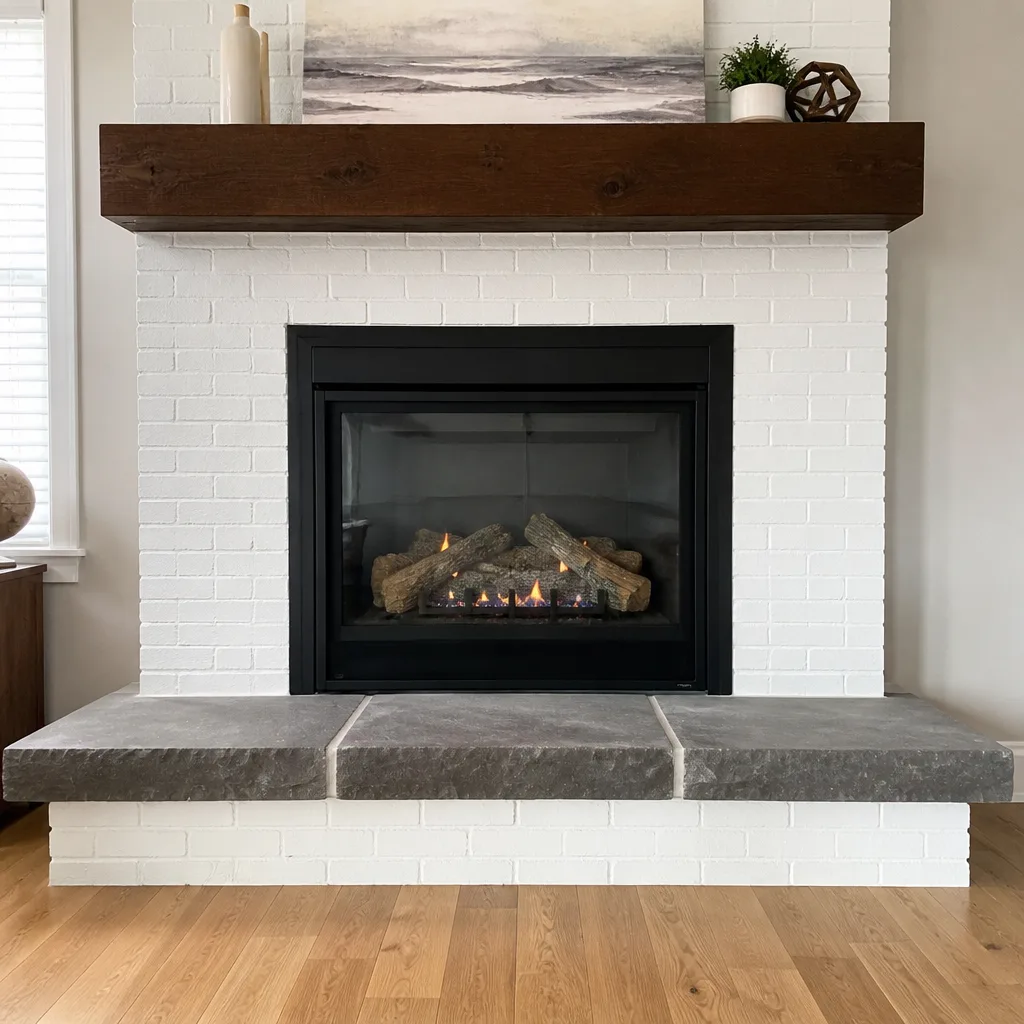 Gas fireplace service
Level 1 sweep and inspection to the NFPA 211 annual standard - flue, crown, cap, and flashing checked and photographed
Chimney sweep logs do not sweep chimneys. They loosen some creosote - which then falls where a brush and vacuum still have to collect it.
The Complete Guide to Chimney Cleaning in Hyde Park
Most chimney fires in Massachusetts aren’t caused by chimneys that were never cleaned. They’re caused by chimneys that were cleaned but never properly inspected afterward. That distinction matters more than most homeowners realize, because a sweep removes what’s in the flue while an inspection reveals what’s happening to the flue itself. One without the other leaves you with a tidy chimney and an unknown system. In this guide, we’ll walk through how chimney cleaning actually works in Hyde Park: the creosote patterns older housing stock creates, what the three NFPA 211 inspection levels mean and when each applies, why clay tile liners in pre-1980s homes age the way they do, and what a complete cleaning appointment should include from arrival to documentation.
Quick Answer
Chimney cleaning in Hyde Park is a diagnostic process, not just a sweep. A proper appointment begins with a visual and camera inspection of the flue liner, then removes creosote and debris based on what that inspection finds, and ends with photo documentation of the system’s condition. The cleaning itself is the middle step; the inspection before and after is what tells you whether your chimney is actually safe to use.
Styles & brands we work with
- Sweep & inspection
- Caps & crowns
- Flue relining
- Masonry repair
- Gas fireplace service
Table of Contents
- Why Hyde Park Chimneys Accumulate Creosote Differently
- Level 1, 2, and 3 Inspections: What Each One Actually Covers
- Clay Tile Liners vs. Stainless Steel: What Hyde Park Homeowners Need to Know
- Beyond Creosote: Carbon Monoxide, Moisture, and Masonry Spalling
- What a Complete Chimney Cleaning Appointment Includes
- How Often Should a Hyde Park Chimney Be Cleaned?
- What Does Chimney Cleaning Cost in Hyde Park?
- Common Mistakes to Avoid
Why Hyde Park Chimneys Accumulate Creosote Differently
Hyde Park’s housing stock shapes how chimneys fail. The neighborhood is full of triple-deckers and Victorian-era single-families, and those buildings share certain combustion characteristics that newer construction doesn’t. The flues tend to be narrower than modern equivalents, the masonry is older and more porous, and the original fireplaces were designed for wood that burned differently than what most households use today.
Narrow flues mean less draft. Less draft means smoke lingers longer in the flue, which gives creosote more time to condense on the liner walls. In a triple-decker with a shared chimney stack, that effect compounds: multiple flues side by side, each one struggling for its share of draft, each one accumulating glazed creosote at a faster rate than a single-family flue of the same age.
Victorian-era single-families bring a different pattern. The chimneys are often larger, with wider flues that were built for coal or open hearths. When those flues are later used for wood-burning inserts or modern fireplaces, the oversize flue cools smoke too quickly. Cool smoke deposits creosote. The result is a chimney that looks fine from the outside but carries a heavier glaze load than its owners expect.
What this means practically:
- Triple-decker flues in Hyde Park often need annual cleaning even when wood use is light.
- Victorian single-families with original oversize flues may benefit from a liner that matches the appliance.
- Any flue shared between units needs each flue inspected independently; one clean flue says nothing about its neighbor.
- Homes that switched from coal or oil to wood decades ago should have the liner condition verified, not assumed.
The point isn’t that Hyde Park chimneys are worse than others. It’s that the neighborhood’s building patterns create specific creosote profiles, and a sweep that treats every flue the same will miss what’s actually happening in yours.
Level 1, 2, and 3 Inspections: What Each One Actually Covers
The National Fire Protection Association defines three inspection levels under NFPA 211, and understanding the difference helps you know what you’re paying for. Most routine cleaning appointments include a Level 1 inspection. A Level 2 is required at certain transition points. A Level 3 is reserved for serious problems that need access to concealed areas.
Level 1 inspection. This is the baseline. It covers readily accessible portions of the chimney, including the firebox, damper, smoke chamber, and flue, viewed from the appliance and from the roof if accessible. It’s appropriate when the appliance and fuel type haven’t changed and the system has been maintained. A Level 1 is what most annual cleaning appointments include.
Level 2 inspection. This is more thorough. It requires access to the attic and crawl spaces, and it typically includes video scanning of the flue interior. A Level 2 applies in several situations:
- When a home changes hands (a new owner should know the chimney’s condition).
- When the appliance or fuel type changes (for example, converting from wood to gas, or installing a new insert).
- When there’s been a chimney fire or a seismic event.
- When the system has had an operational issue like smoke backdraft or persistent odor.
- When a prior inspection found a concern that needs a closer look.
Level 3 inspection. This is the most invasive. It applies when a Level 1 or Level 2 has identified a serious hazard that can’t be assessed without opening concealed areas. That could mean removing masonry, cutting into a wall, or accessing the chimney through a crawl space. A Level 3 is rare, and it’s never the starting point.
The practical takeaway for Hyde Park homeowners: if you’ve recently bought a home, or if you’ve changed appliances, or if you can’t remember the last time the chimney was looked at properly, you likely need a Level 2 rather than a routine Level 1. The extra cost buys you a camera view of the flue interior, and that view is what catches liner damage before it becomes a structural problem. Our Chimney Sweep Hyde Park inspections include the appropriate level for your situation, and we’ll tell you which one you need before we start.
Clay Tile Liners vs. Stainless Steel: What Hyde Park Homeowners Need to Know
Most Hyde Park homes built before the 1980s have clay tile liners, and those tiles age in a specific way. Clay is brittle. It cracks under thermal cycling, and it cracks along the joints where tiles meet. Hairline cracks let moisture and combustion gases escape into the surrounding masonry, which is where the real damage starts. A flue that looks intact from above can have cracked tiles three or four feet down that only a camera reveals.
Stainless steel liners, by contrast, are typically installed as a retrofit inside an existing flue. The brand matters less than the installation: a properly sized stainless liner with the right fitting at the top and bottom forms a continuous, sealed pathway that protects the surrounding masonry. A poorly fitted liner creates gaps where creosote and moisture collect.
The cleaning frequency difference is real but subtle. Clay tile liners accumulate creosote on a rough, porous surface that’s harder to sweep clean, so buildup forms faster. Stainless liners are smoother and easier to sweep, but they can develop problems at the seams and at the appliance connection. Neither type is maintenance-free.
What we see in practice:
- Pre-1980s clay tile flues in Hyde Park generally need annual cleaning if used regularly for wood.
- Cracked or spalled clay tiles are common and often invisible without a camera.
- When tiles are damaged but not collapsed, liner restoration with HeatShield is often possible without a full liner replacement.
- Stainless inserts installed with Olympia Chimney or DuraFlex components still need annual inspection of the joints and cap.
Repairing a liner without replacing it changes the economics of chimney ownership. HeatShield is a cast-in-place liner restoration product that reseals the interior surface of a flue, and it’s typically far less expensive than pulling the old liner and installing a new one. It’s not appropriate for every situation, but when the tile damage is moderate, it’s a genuine option. That’s a meaningful difference from a sweep-only operator who has no repair capability and therefore recommends replacement by default.
Beyond Creosote: Carbon Monoxide, Moisture, and Masonry Spalling
Creosote gets the attention because it’s the visible residue, but it’s only one of several combustion byproducts moving through your chimney. The others are colorless and, in some cases, far more dangerous.
Carbon monoxide. Any fuel-burning appliance produces carbon monoxide. In a properly functioning chimney, it vents harmlessly to the outside. In a chimney with a blocked flue, a cracked liner, or a damaged smoke chamber, carbon monoxide can migrate back into the living space. This is why the flue’s integrity matters as much as its cleanliness. A sweep that removes soot but doesn’t check the liner’s integrity leaves the CO pathway unverified.
Moisture intrusion. Water is the other major threat, and it usually enters from the top. A missing or damaged chimney cap lets rain straight into the flue; a cracked crown lets water seep into the masonry above the roofline; and a failed mortar joint lets water travel down the exterior. Each entry point leads to the same outcome: saturated masonry that freezes in Massachusetts winters, expands, and cracks. This is why chimney cap & crown work belongs in the chimney maintenance conversation even when the flue itself is clean.
Masonry spalling. When masonry stays wet through repeated freeze-thaw cycles, the face of the brick flakes away. That’s spalling. It starts as a cosmetic issue and becomes structural as the brick loses mass. Spalling on a Hyde Park chimney is often traced back to a crown that cracked years earlier and was never repaired.
These three issues connect. A cracked crown lets moisture in, moisture degrades the clay tile, degraded tile lets combustion gases escape into the masonry, and the masonry spalls. A cleaning appointment that only touches the flue won’t see any of it. A whole-system inspection does.
What a Complete Chimney Cleaning Appointment Includes
The gap between a proper chimney cleaning and a quick sweep is mostly in the process. Here’s what a complete appointment involves, so you know whether you’re getting the full service or a partial one.
- Arrival and setup. Drop cloths and a shop vacuum protect the floor and surrounding area. The technician checks the appliance setup and asks about fuel type and any recent changes.
- Initial inspection. The firebox, damper, smoke chamber, and flue are examined before any cleaning begins. This is where hidden problems surface.
- Camera scan when warranted. For a Level 2 or when the visual inspection raises a question, a video camera is run through the flue to view the interior. This is the step most quick sweeps skip.
- Sweeping. Brushes sized to the flue remove creosote from the liner walls. The type of creosote matters here: light soot sweeps easily, glazed creosote may need different treatment.
- Firebox and smoke chamber cleaning. These areas accumulate their own deposits and affect draft. A flue-only sweep leaves them untouched.
- Debris removal and clearance check. Ash and soot are removed, and the draft pathway is verified clear.
- Post-cleaning inspection and documentation. The flue is checked again, and the findings are documented with photos. You should receive a written record of what was found and what it means.
Step 7 is the one that separates a diagnostic cleaning from a transaction. Without documentation, you have no baseline for next year’s comparison. If you’ve recently bought a home and don’t know the chimney’s history, having a documented starting point is genuinely valuable. And if you’re also noticing draft problems when the fireplace is running, that’s a separate diagnostic path; our fireplace repair work addresses those issues specifically.
How Often Should a Hyde Park Chimney Be Cleaned?
The standard answer is once a year for a wood-burning chimney in regular use, and that applies to most Hyde Park homes. But “regular use” and “annual” need context, because the accumulation rate depends on several variables that aren’t the same for every household.
Factors that push toward more frequent cleaning:
- Burning unseasoned or green wood, which produces more creosote.
- Burning frequently at low, smoldering temperatures, which is the worst case for creosote deposition.
- An oversize flue that cools smoke too quickly (common in older Hyde Park Victorians).
- A narrow flue with weak draft (common in triple-deckers).
- A history of glazed creosote, which builds faster than sooty deposits.
Factors that push toward less frequent cleaning: gas fireplaces (which don’t produce creosote, but still need the vent and appliance checked), very occasional use, and a recently installed and properly sized liner. Even then, an annual inspection matters because liner problems develop between cleanings.
A useful rule: clean when the creosote layer reaches meaningful thickness, and inspect every year regardless. If you’ve never had the chimney looked at in your current home, or you’ve recently moved, the first visit is less about a cleaning and more about establishing a baseline. Our chimney sweep appointments include that baseline inspection as standard.
What Does Chimney Cleaning Cost in Hyde Park?
A typical chimney cleaning in Hyde Park is priced per job by written estimate, and the final number depends on the flue’s condition, access, and whether additional services (camera inspection, cap repair, liner work) are needed. We don’t publish fixed prices because the range would mislead you more than it helps. What we can do is explain what drives the estimate.
Factors that shape the estimate:
- Flue type and size. A single clay tile flue sweeps faster than an oversize Victorian flue.
- Creosote condition. Light soot is straightforward; glazed creosote takes more time and sometimes different treatment.
- Access. Rooftop access, interior chimney runs, and tight attic clearances affect labor.
- Inspection level. A Level 1 inspection is part of a standard cleaning; a Level 2 with camera scanning is a separate scope.
- Additional needs. Cap replacement, crown repair, or HeatShield restoration are quoted separately.
The estimate is free, and it’s set before any work begins. If a repair is recommended, we show you the camera evidence that prompted it, because telling you that you need liner work without showing you why is exactly the kind of recommendation you have no way to verify.
Common Mistakes to Avoid
- Skipping the inspection after a cleaning. The sweep removes buildup; the inspection reveals whether the flue is sound. Doing one without the other is the most common pattern behind chimney fires in older Massachusetts housing.
- Assuming a clean flue means a safe flue. Soot removal says nothing about cracked tiles, a failed crown, or a blocked smoke chamber. Those require eyes on the interior.
- Hiring a generalist who sweeps on the side. A handyman with a brush may clean the flue but won’t have the tools or training for liner repair, crown work, or camera inspection.
- Ignoring a missing cap through the summer. A Hyde Park chimney without a cap collects rain and nesting debris all season, and the moisture damage shows up by the following winter.
- Putting off liner repairs because smoke still draws. A flue with a cracked liner can still draw fine while combustion gases migrate into the masonry. Draft is not evidence of integrity.
- Burning green wood to save money. Unseasoned firewood produces more creosote, which means more frequent cleaning and a higher risk of glazed buildup.
- Treating a smoke backdraft as a fireplace aesthetics problem. Backdraft usually signals a draft or blockage issue in the flue or smoke chamber, and it’s worth diagnosing properly rather than living with.
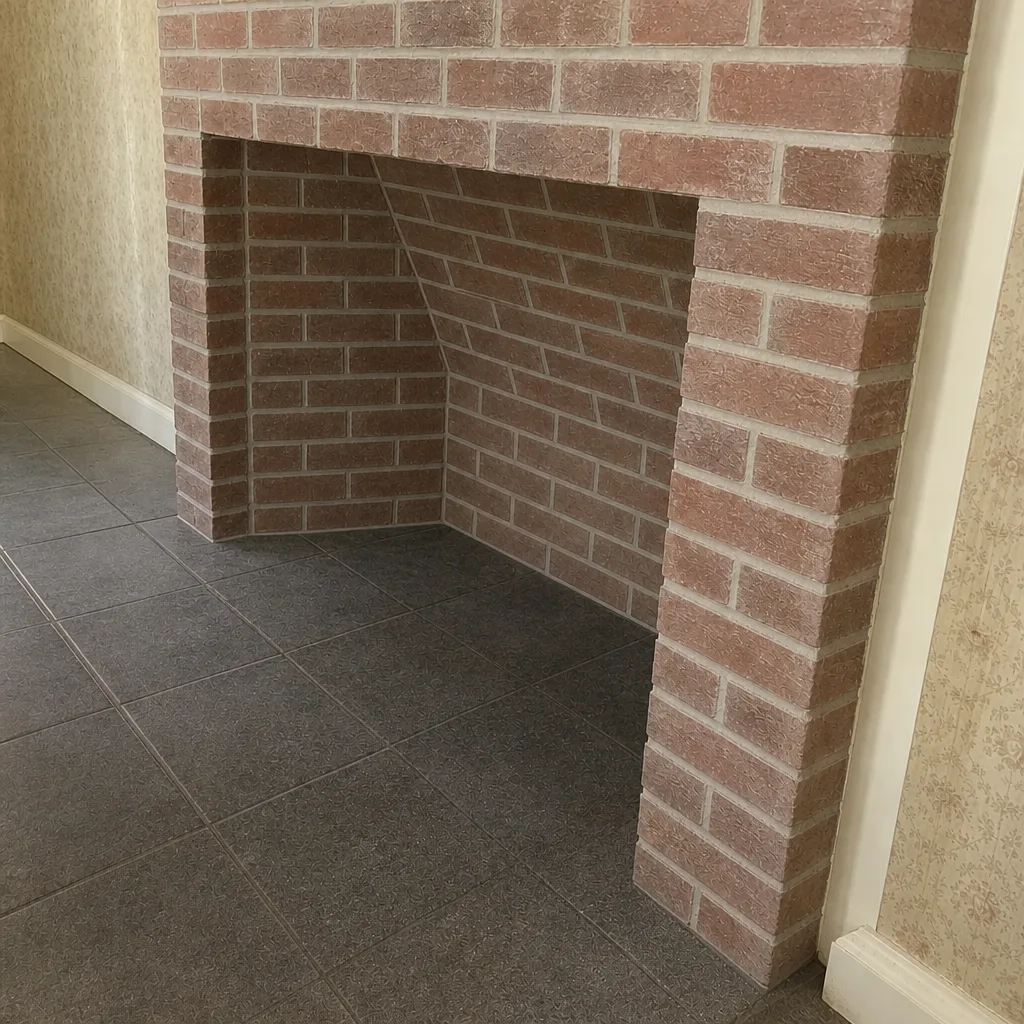
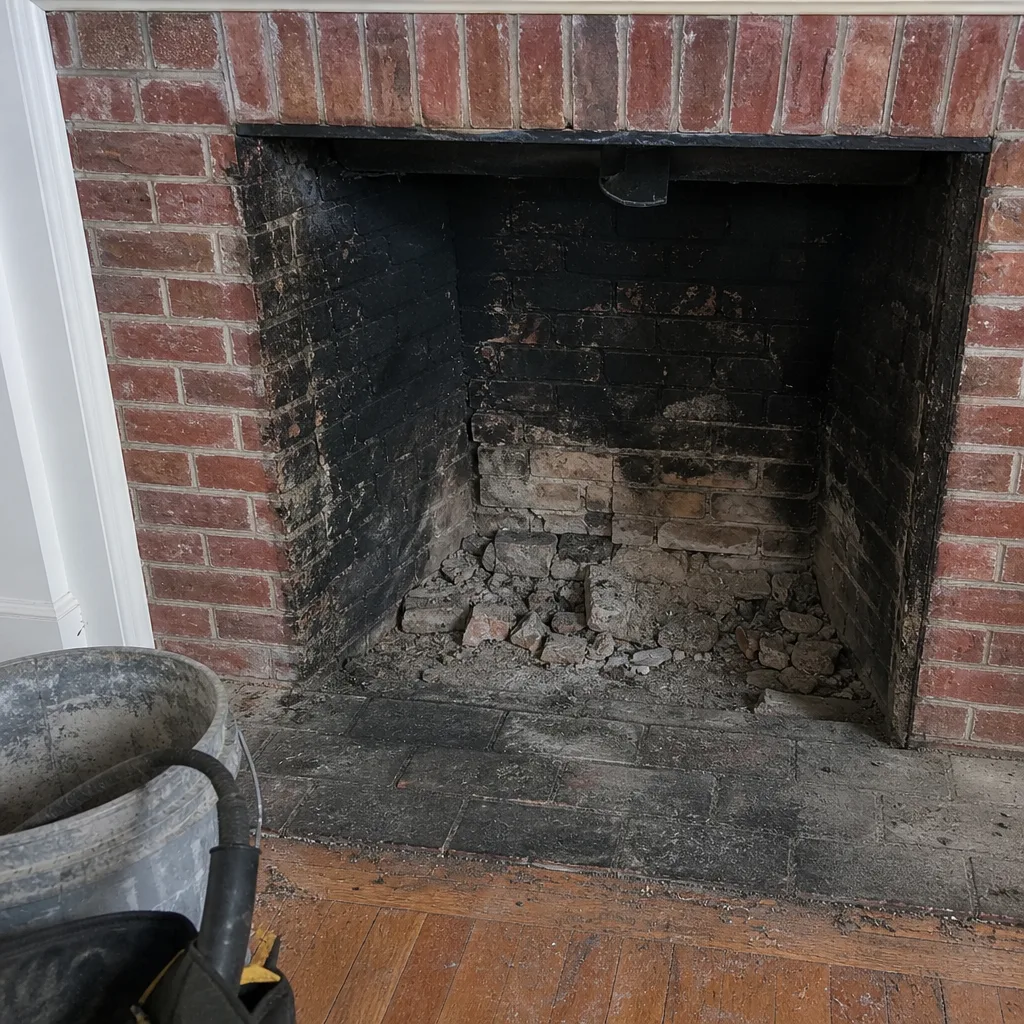
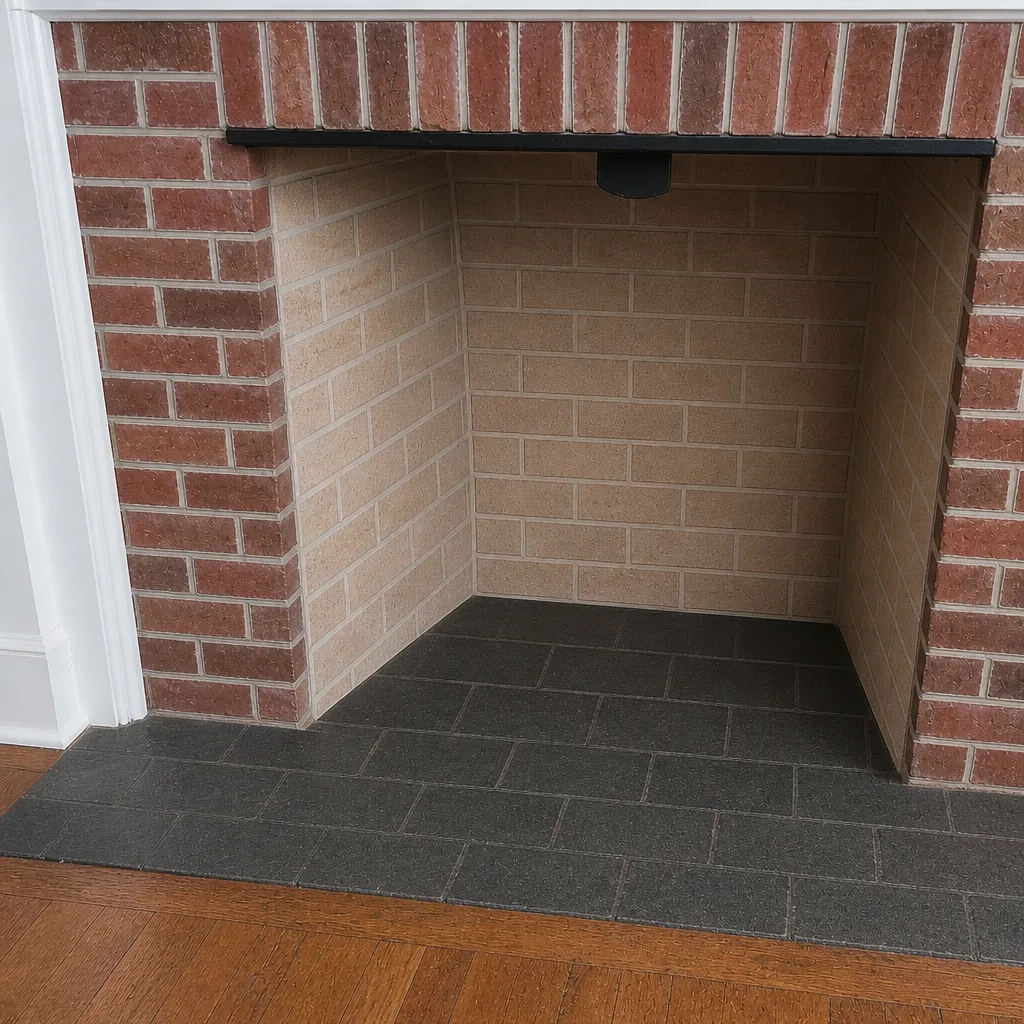
See the difference
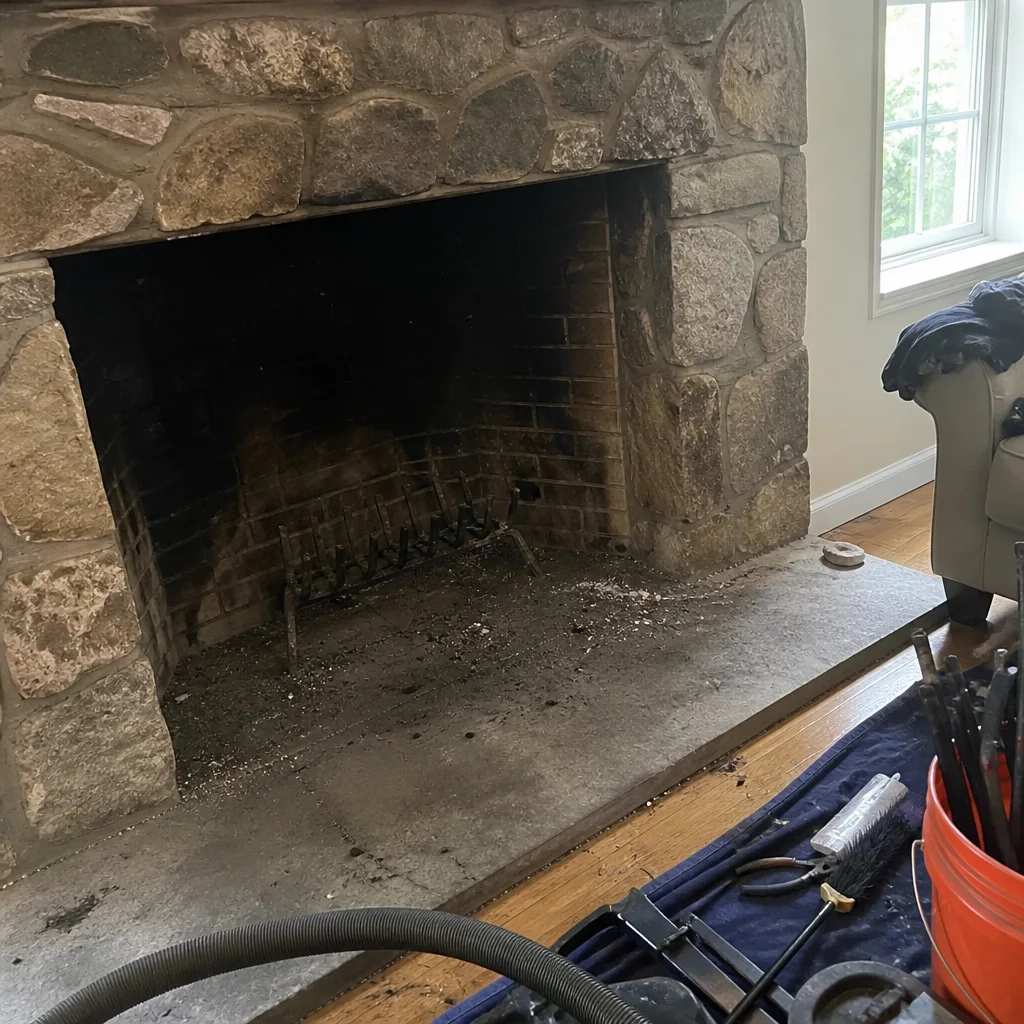 Before
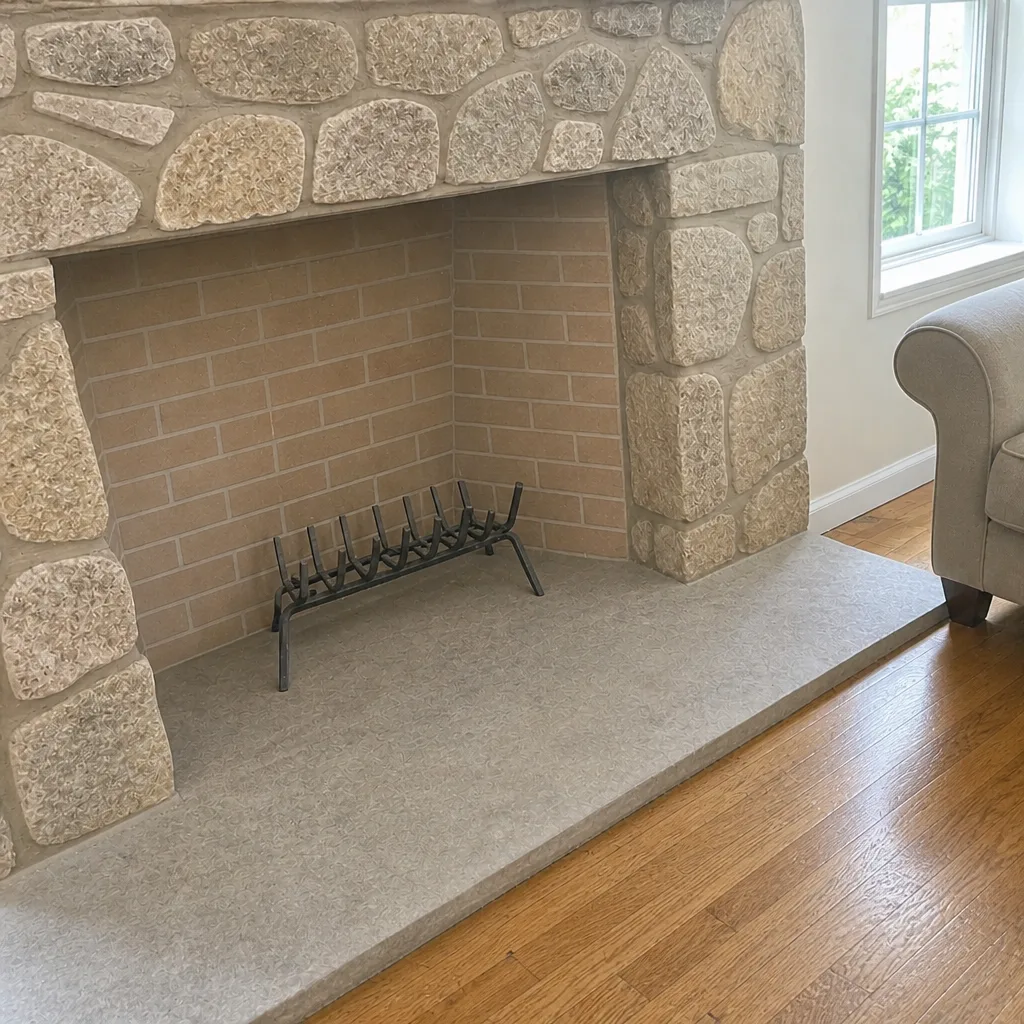 After
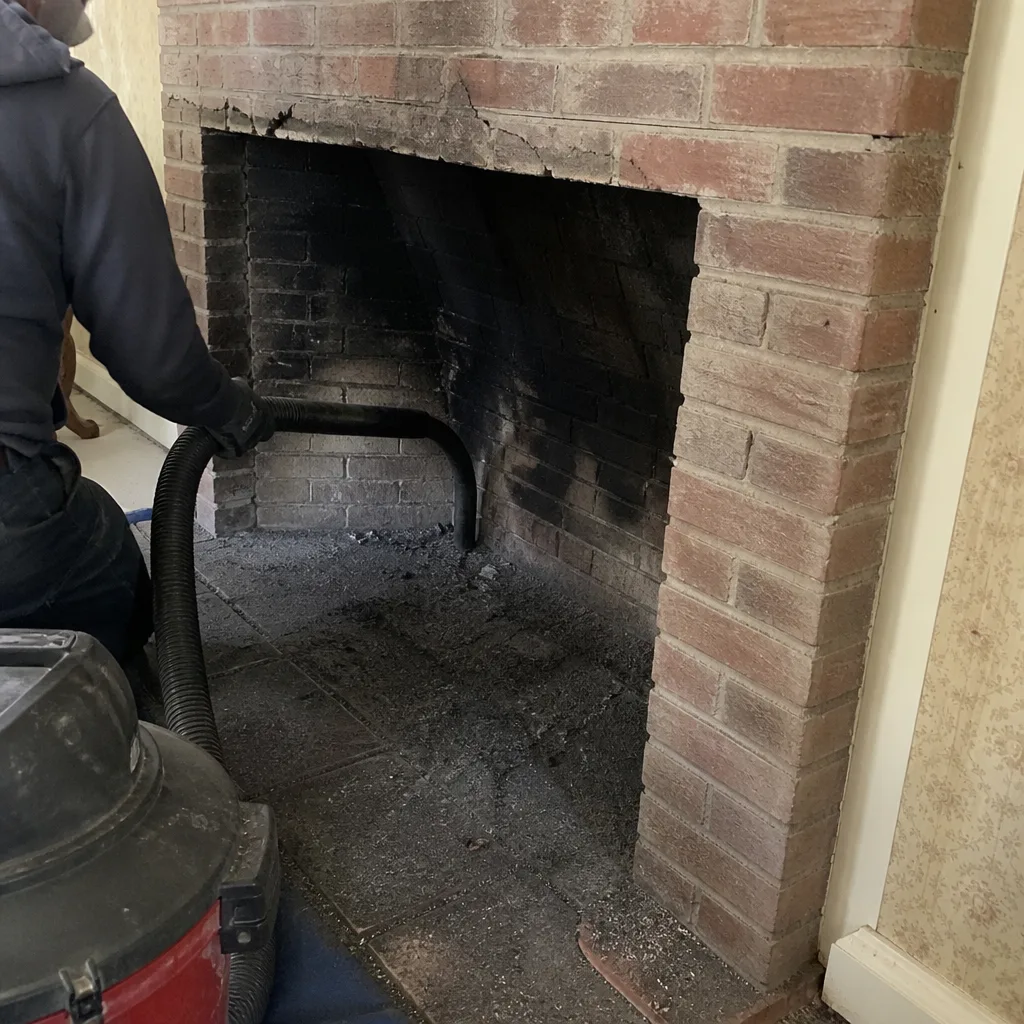 Before
 After
 Before
 After
When to Call a Professional
Some chimney problems are safe to note and monitor. Others need a trained eye before you light another fire. Call a professional if you’re burning wood and haven’t had the chimney inspected in over a year, if you’ve just bought a Hyde Park home and don’t know the chimney’s history, or if you’ve changed appliances or fuel type. Also call if you’ve noticed persistent odor from the fireplace when it’s not in use, smoke rolling back into the room, visible masonry cracks on the exterior, or rust on the damper or firebox. These symptoms point to issues that a visual check from the ground can’t resolve. Our technicians have up to 11 years of experience with exactly these systems, and we work with DuraFlex, Olympia Chimney, Famco, and other professional-grade product lines because the components matter as much as the labor. Chimney Sweep Hyde Park offers free estimates in Hyde Park. Call (877) 853-3126 and we’ll schedule an inspection.
Frequently Asked Questions
Chimney cleaning in Hyde Park is priced per job by written estimate, based on flue type, creosote condition, access, and whether a camera inspection or repairs are needed. The estimate is free and set before work begins. We don’t quote a fixed price over the phone because the range would mislead you; the written estimate is the final number. Call (877) 853-3126 for an exact quote – estimates are free.
Not always. A liner needs replacement only when the existing clay tiles are cracked, spalled, or deteriorated beyond what liner restoration can reseal. In many Hyde Park homes with moderate tile damage, HeatShield liner restoration can reseal the flue without pulling and replacing the liner, which is a meaningfully different scope. We recommend replacement only when we can show you the camera footage that justifies it. Call (877) 853-3126 if you want a second opinion on a liner recommendation.
Once a year for a wood-burning chimney in regular use is the standard, and it holds for most Hyde Park homes. Chimneys with narrow flues, oversize Victorian flues, or a history of glazed creosote may need more frequent cleaning. Gas fireplaces don’t produce creosote but still need the vent and appliance inspected annually. Call (877) 853-3126 to book an inspection and get a recommendation for your specific flue.
Creosote accumulates, and at sufficient thickness it can ignite, which is how most chimney fires start. Beyond fire risk, a skipped cleaning also means a skipped inspection, so cracked liners, failed crowns, and blocked smoke chambers go unnoticed. Those are the conditions that allow carbon monoxide to migrate into living space. Call (877) 853-3126 before burning season if it’s been more than a year.
Yes, and each flue in a shared stack should be inspected and cleaned independently. A triple-decker in Hyde Park has multiple flues side by side, and one clean flue says nothing about the condition of its neighbors. We schedule each flue as its own scope so the documentation is accurate for every unit. Call (877) 853-3126 to discuss scheduling for a multi-unit building.
Yes. Cap and crown installation and repair is available without a full cleaning appointment. It’s a preventive service that stops water intrusion before it becomes structural damage, and it’s worth booking on its own if you’ve noticed a missing cap or a cracked crown. Call (877) 853-3126 for an estimate on cap or crown work.
The Bottom Line
Chimney cleaning in Hyde Park works best as a diagnostic process, not a transaction. The flue’s condition determines what the cleaning needs to accomplish, and that condition is only visible through inspection and camera scanning. Clay tile liners in pre-1980s homes age differently than stainless inserts, and Hyde Park’s triple-deckers and Victorian single-families each produce their own creosote patterns. Creosote is only one of the byproducts that matter; carbon monoxide pathways, moisture intrusion, and masonry spalling are connected issues that a sweep alone won’t reveal. A complete appointment includes the inspection before the cleaning and the documentation after it. If you take one thing from this guide, make it that sequence.
Chimney Sweep Hyde Park handles the whole system: sweeping, inspection, cap and crown, chimney repair, and fireplace repair, with liner restoration through HeatShield when replacement isn’t necessary. One specialist for every part of the chimney means you’re not coordinating between a sweep-only operator and a separate mason. Call (877) 853-3126 for a free estimate. We answer 24/7. Fast dispatch from 7am to 7pm, Sunday through Friday.
Written by the team at Chimney Sweep Hyde Park.