
Last updated November 25, 2026
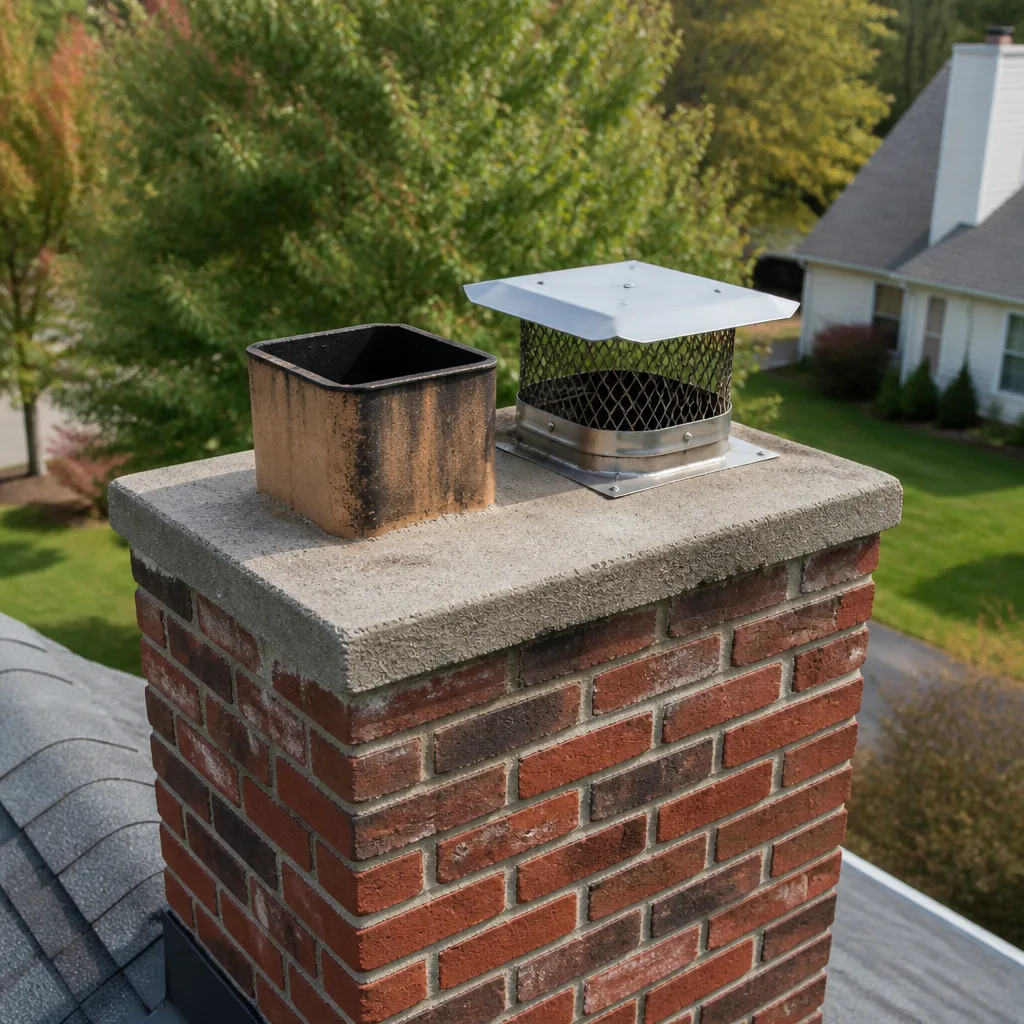 Sweep & inspection
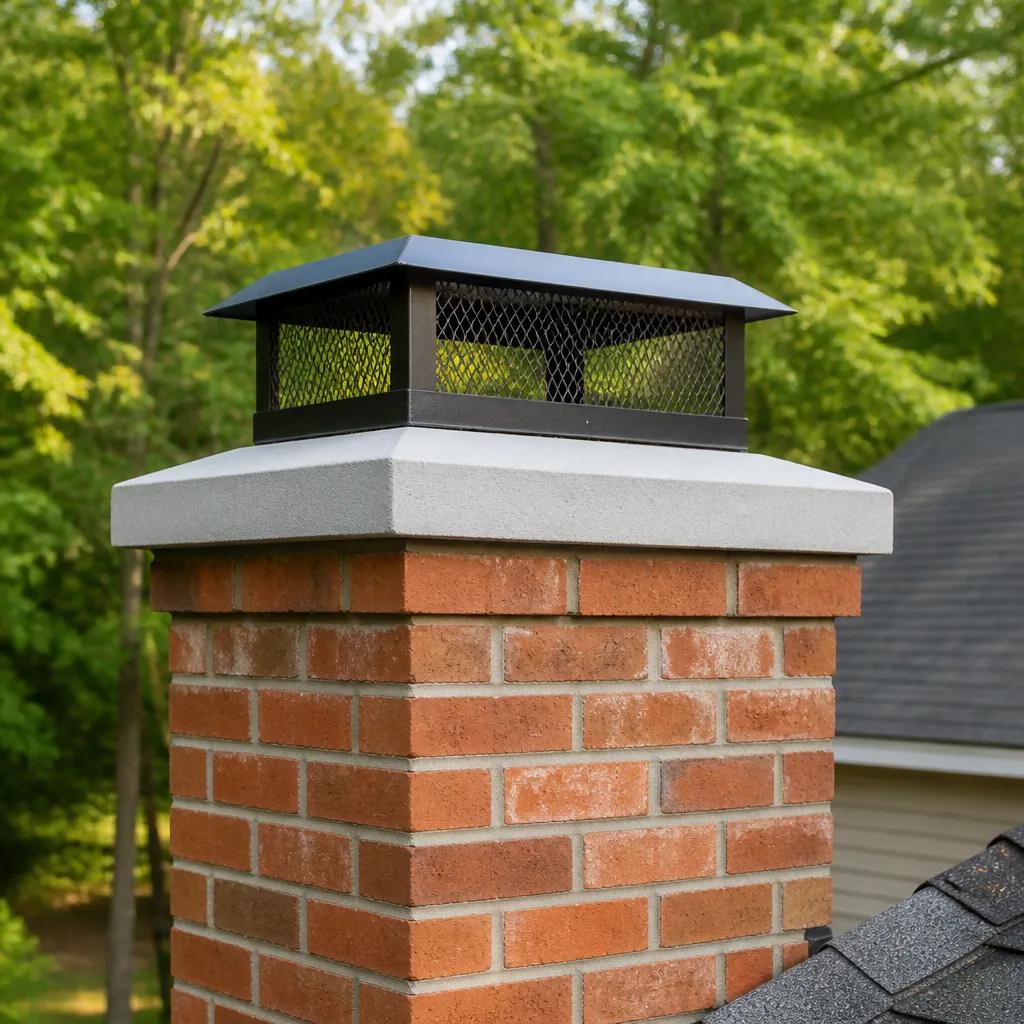 Caps & crowns
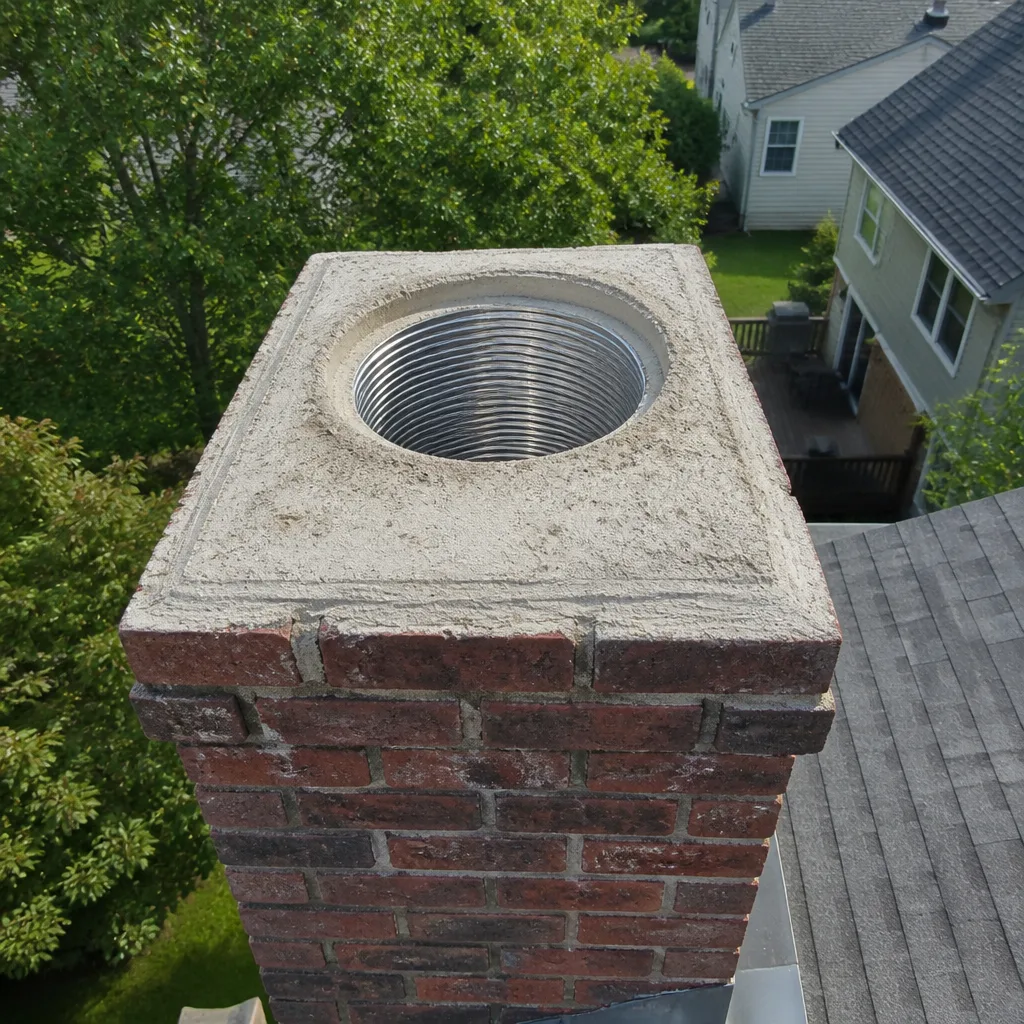 Flue relining
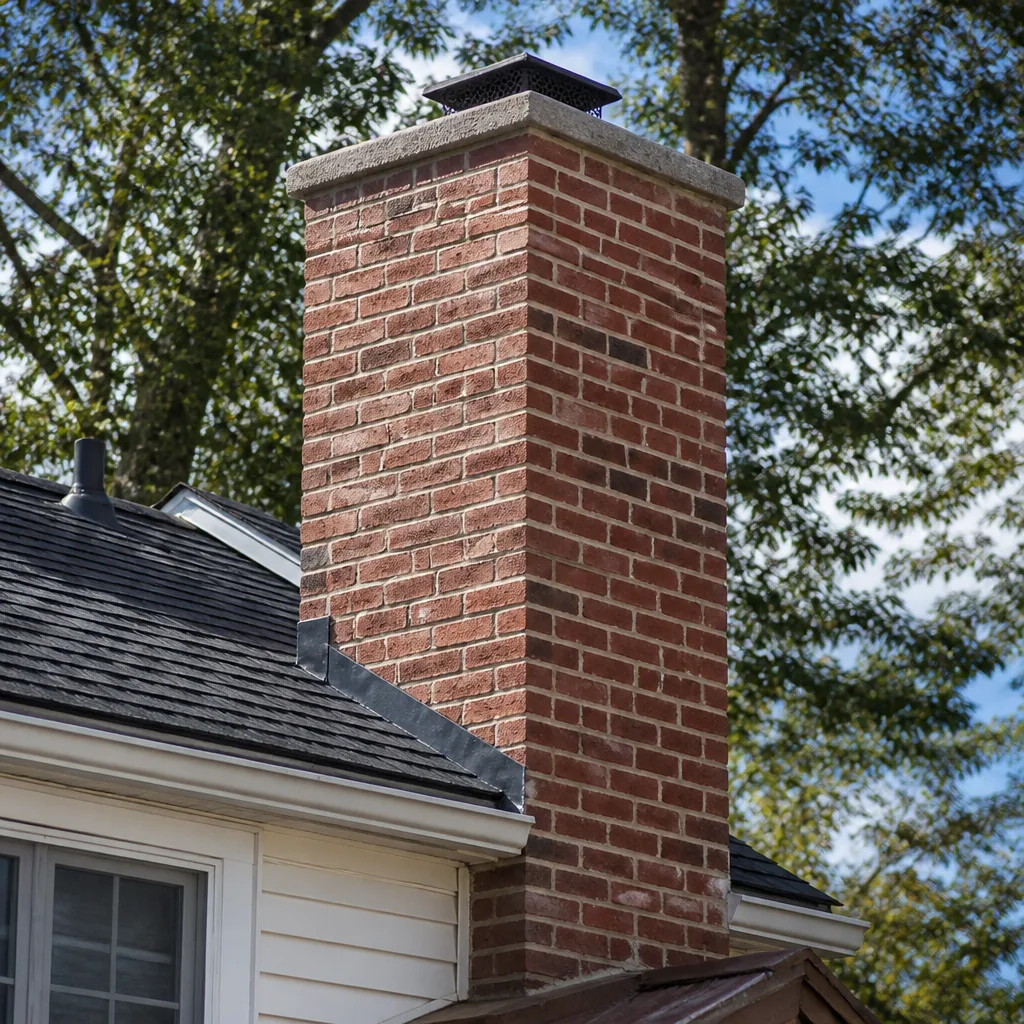 Masonry repair
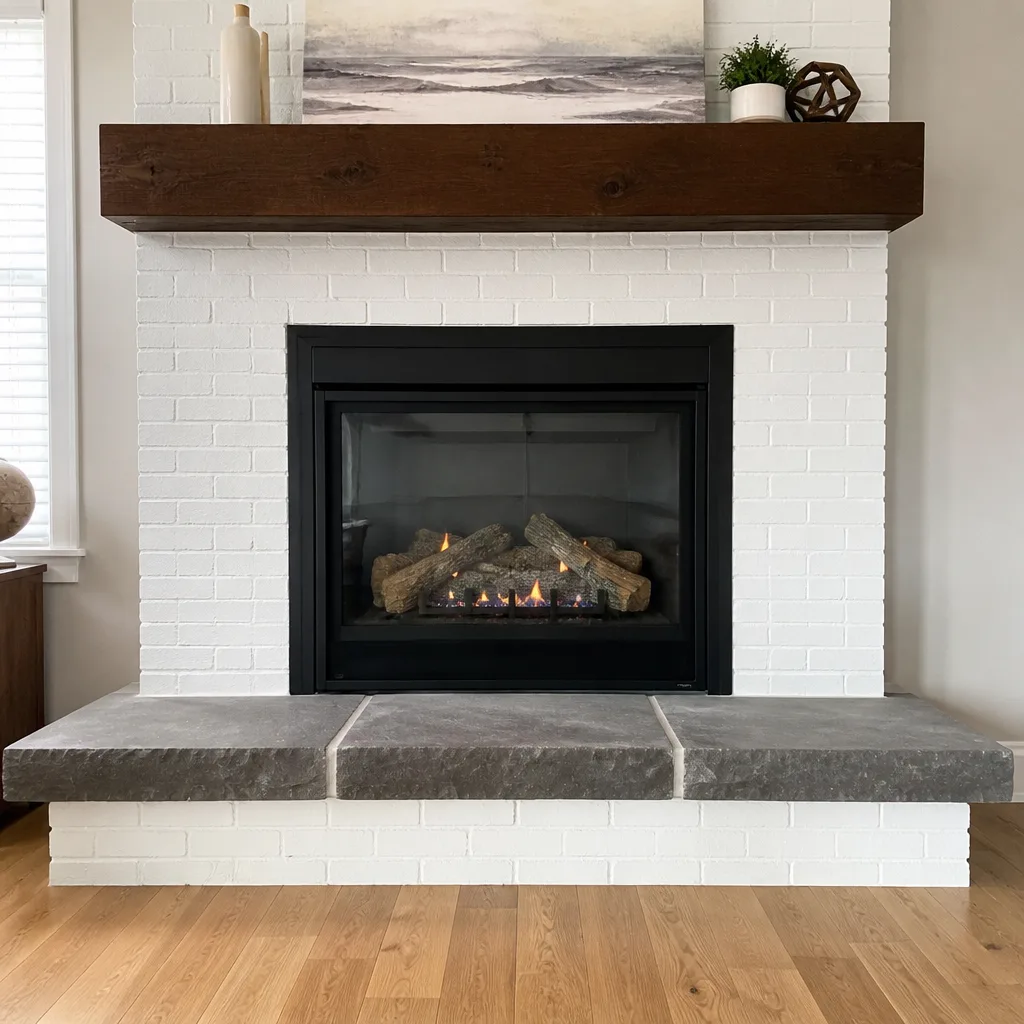 Gas fireplace service
Level 1 sweep and inspection to the NFPA 211 annual standard - flue, crown, cap, and flashing checked and photographed
Chimney sweep logs do not sweep chimneys. They loosen some creosote - which then falls where a brush and vacuum still have to collect it.
Chimney Cleaning Permits, Codes & Inspections in Hyde Park, MA: What You Need to Know
A chimney sweep doesn’t need a permit. A chimney liner replacement absolutely does, and the line between those two jobs is where real money and real liability get quietly installed every year. Most homeowners in Hyde Park assume all chimney work is permit-free maintenance, which holds true right up until it doesn’t, usually the week before a closing when a buyer’s inspector starts asking for paperwork nobody has. This guide draws that line clearly. You’ll learn which jobs in Massachusetts are routine maintenance and which fall under the State Building Code, how permit routing works for a Boston neighborhood like Hyde Park, what NFPA 211 means for your documentation, and how to confirm a contractor is pulling permits before liner work goes in.
Quick Answer
Sweeping and routine cleaning do not require a permit in Massachusetts. Liner installation, relining, and any alteration to the chimney structure are code-regulated work under 780 CMR, the Massachusetts State Building Code, and generally require a permit through Boston’s Inspectional Services Department. Inspections are a separate matter: NFPA 211 sets the reference standard Massachusetts code points back to, and certain events, like an oil-to-gas conversion, an appliance change, or a chimney fire, trigger an inspection whether or not a permit is involved.
Styles & brands we work with
- Sweep & inspection
- Caps & crowns
- Flue relining
- Masonry repair
- Gas fireplace service
Table of Contents
- Where Cleaning Ends and Code-Regulated Work Begins
- What 780 CMR Says About Chimney Liners in Massachusetts
- When a Cleaning Appointment Legally Triggers an Inspection
- Boston Inspectional Services and Hyde Park Permit Routing
- NFPA 211 and Inspection Documentation for Real Estate Transactions
- How to Verify a Contractor Is Pulling Permits
- What This Work Typically Costs in Hyde Park
- What to Check Before You Book Any Chimney Work
Where Cleaning Ends and Code-Regulated Work Begins
Cleaning is maintenance. Everything that changes the chimney or its components is construction, and construction is where the code applies. The distinction matters because a homeowner who books a cleaning and gets talked into a “quick reline while we’re here” may end up with unpermitted work that a future buyer’s attorney will flag months later.
Here’s how we draw the line, and it’s the same line the code draws:
- No permit, routine maintenance: sweeping the flue, removing creosote, inspecting the firebox, cleaning the smoke chamber, checking the cap and crown visually, replacing a spark screen.
- Permit generally required, work on the system: installing a new stainless liner, relining an existing flue, replacing a section of flue tile, altering the chimney chase, rebuilding a crown, changing the flue’s sizing or configuration.
- Separate regulatory territory: any change involving a gas appliance connection, a fuel conversion, or the venting of a new appliance, which may involve plumbing and gas permitting in addition to building permitting.
In our experience across Hyde Park, the confusing middle ground is liner work. Homeowners understand that rebuilding a chimney costs money and takes permits. They don’t always realize that sliding a flexible liner down an existing flue is a structural alteration to the venting system and is regulated the same way. A properly permitted reline goes on record with the city. An unpermitted one lives only in the contractor’s truck and your memory.
Hyde Park’s housing stock runs toward older wood-frame homes with masonry chimneys that have been through decades of fuel changes, from oil to gas in some cases, from coal to oil in others. That history is exactly what makes liner work regulated: the alteration has to be correct for the appliance currently venting into it, and the inspection record is how anyone later knows it was done right. When you book a chimney sweep, what you’re actually booking is a maintenance visit with an inspection attached. Those are two services, and the guide below explains why.
What 780 CMR Says About Chimney Liners in Massachusetts
The Massachusetts State Building Code, 780 CMR, governs how chimneys and vents are built, altered, and repaired in this state. It doesn’t have a section titled “chimney cleaning” because cleaning isn’t construction. What it does cover is liner installation, relining, flue sizing, clearance to combustibles, and the venting requirements for the appliances that connect to the chimney. Those are the provisions a permit reviewer is checking against.
The practical consequences for a Hyde Park homeowner:
- Liner installation is code work. Replacing or relining a flue has to meet clearance requirements to combustibles, must be sized correctly for the appliance it serves, and must use listed materials. That’s why we work with products like DuraFlex and HeatShield rather than generic liners: listed products have documented compliance, and documented compliance is what a permit reviewer and a future buyer’s inspector both want to see.
- Alterations to the chimney structure follow the same path. Rebuilding a crown, altering a chase, or changing the flue’s configuration is code-regulated. A cap and crown repair on its own may be a repair, but a crown rebuild involving structural work crosses into permit territory.
- Clearance failures are the most common finding. When we open up a chimney chase in Hyde Park, the thing we find most often isn’t a dramatic code violation. It’s a liner that was installed with inadequate clearance to framing, or a flue that was connected to an appliance it was never sized for.
What 780 CMR won’t tell you is what counts as maintenance in a given town, because that’s administration, not code. The next section covers how that works here. Before we ever sweep a flue for a customer, we inspect it, because the inspection is what determines whether the job ahead is maintenance or code work.
When a Cleaning Appointment Legally Triggers an Inspection
Not every cleaning requires an inspection, but some situations do, and they’re not always obvious at booking. The most common triggers we encounter in Hyde Park:
- Oil-to-gas conversion. When a homeowner converts from oil to gas, the venting requirements change entirely. A flue sized for oil may be oversized for gas, which causes condensation and liner damage. The conversion itself may need a permit and inspection, and the chimney’s condition has to be evaluated as part of that.
- Appliance changes. A new boiler, furnace, or water heater connected to an existing chimney changes the load on that flue. If the appliance is different in input or venting category, the chimney is evaluated before it’s reconnected.
- Post-chimney-fire protocols. A chimney fire, even a small one the homeowner didn’t report at the time, can crack flue tiles and warp a liner. After any known fire, an inspection is required before the chimney is returned to service. If you suspect a fire happened in a home you’re purchasing, it gets inspected before you close.
- Real estate transactions. A buyer’s inspector will want a Level 2 inspection, particularly when the home has changed hands and the chimney’s service history is unknown.
- Smoke backdraft, odor, or visible masonry damage. Symptoms the homeowner notices often point to flue damage or a drafting problem that the inspection needs to document before the cleaning can proceed.
The reason these triggers matter is that a sweep can’t know what’s needed until the flue is viewed. When you call about a chimney cap & crown repair because you’ve got water staining in the attic, or you’re calling because of a smoke smell, the inspection is the first thing to book, not the sweep. The sweep comes after, once we know the flue is sound.
In a Hyde Park home that’s recently changed hands, especially a home built between 1900 and 1950 where the original coal-burning chimney may have been retrofitted more than once, these triggers stack. A single inspection can resolve several of them at once, and the documentation from that inspection is what you’ll rely on years later if questions come up.
Boston Inspectional Services and Hyde Park Permit Routing
Hyde Park is within Boston’s city limits, so building permits for liner work route through Boston’s Inspectional Services Department rather than a separate Hyde Park town office. There’s no standalone Hyde Park building department. This is the piece homeowners and out-of-town contractors get wrong most often: they hear “Hyde Park” and assume a suburban permit process, when in fact the routing, the forms, and the inspection schedule all come from the city.
What that means in practice:
- Permits are filed with the city of Boston. Your contractor submits the permit application through the city’s system, and the permit is issued and tracked at that level.
- Inspection scheduling is city-scheduled. The inspection that verifies liner installation is set by the city, not by the contractor’s schedule.
- Local enforcement runs through city inspectional services. If a neighbor reports unpermitted work or a complaint is filed about a job in Hyde Park, the enforcement action goes through the same city department that issued (or should have issued) the permit.
We’ve watched the city’s permit workflow change over the years, and some of the friction we hear from Hyde Park homeowners is scheduling related: a liner installation completed before the permit is issued, then an inspection scheduled weeks later. That sequence matters at resale, because a permit that was pulled after the fact tells a different story than one pulled before the work began. If a contractor says they’ll “take care of the permit after,” in our view that’s a red flag.
The routing question also affects your timeline. If you’re planning liner work as part of a sale, your contract and permit need to be coordinated well ahead of the closing date. A fireplace repair that’s strictly cosmetic, like a re-mortared firebox, may not trigger the same permit path as structural liner work, and we’ll tell you which category your job falls into when we estimate it.
NFPA 211 and Inspection Documentation for Real Estate Transactions
NFPA 211 is the national standard for chimneys, fireplaces, vents, and solid-fuel-burning appliances, and Massachusetts code references it. What that means for you: when a chimney inspector documents a chimney, they’re usually documenting it against NFPA 211 criteria. That documentation has real value at resale.
The three inspection levels most homeowners encounter:
- Level 1: visual inspection of accessible portions, appropriate for an annual visit where the system is unchanged.
- Level 2: everything in a Level 1 plus inspection of concealed areas, often with a camera, typically required when a property changes hands or an appliance changes.
- Level 3: a diagnostic inspection that may involve opening walls or removing components when a hazard is suspected.
For real estate transactions in Hyde Park, a Level 2 inspection is the one that matters most. It documents the flue’s interior condition, the liner’s integrity, the crown and cap condition, and any clearance or venting concerns, all against the NFPA 211 criteria the state code references. A buyer who receives that documentation has a clear view of what the chimney needs. A buyer who receives a verbal “the chimney’s fine” from a sweep who was in and out in fifteen minutes has nothing.
When we do this kind of work in Hyde Park, the inspection report includes photos of the flue interior so the homeowner, the buyer, and the attorney can all see the same evidence. Nothing gets recommended that you can’t see for yourself. We work with HeatShield because the liner restoration system lets us repair a damaged flue without full replacement when the damage is surface-level and the condition supports it. That’s not always the right answer, and the inspection determines which it is. Capacities and product capability don’t get asserted on a page; they get documented in the flue.
How to Verify a Contractor Is Pulling Permits
The most effective moment to verify permit compliance is before the work begins, not after. Homeowners who ask no questions at booking are the ones left holding liability at resale. Here’s the sequence we recommend:
- Ask the contractor directly, in writing, whether the scope requires a permit. For liner installation or relining, the answer in Hyde Park should generally be yes. For a straightforward sweep, no. If the answer doesn’t match the scope, get a second opinion.
- Ask for the permit number. A permit is a document with a tracking number issued by the city. If a contractor can’t tell you the number, the permit hasn’t been filed.
- Check the permit yourself. Boston Inspectional Services can confirm a permit was filed for your address and what the permitted scope was. This is the step homeowners skip.
- Make sure the scope on the permit matches the scope of the work. A permit for a crown repair doesn’t cover a full reline. If the contractor’s scope grew during the job, the permit should have grown with it.
- Confirm the permit inspection was closed. A permit that’s pulled and never inspected is an open item at resale. Get confirmation from the contractor that the city inspection was scheduled and the permit closed out.
For Hyde Park homeowners, this is particularly relevant when the job involves the whole chimney system rather than just the flue. If the work spans a crown rebuild and liner installation, the scope on the permit has to reflect both. That’s why we handle the complete system, including the Chimney Sweep Hyde Park specialists who document it, in one visit: if we’re connecting you with a permitted job, the paperwork matches the whole scope.
What This Work Typically Costs in Hyde Park
Our estimates are free, and the written estimate sets the final price. What we can offer here are typical ranges for chimney work in the Hyde Park market so you know what to expect when you call. These are estimates, not quotes, and the specific numbers depend on the flue, the appliance, and the condition we find.
| Job type | Typical price range |
|---|---|
| Chimney sweep and inspection | $150 – $350 |
| Level 2 inspection for a real estate transaction | $250 – $500 |
| Chimney cap and crown repair | $250 – $800 |
| Stainless liner installation (single flue) | $1,800 – $4,500 |
| HeatShield liner restoration (where condition allows) | $1,200 – $3,000 |
| Fireplace repair (firebox, damper, smoke chamber) | $300 – $1,500 |
| Permit fees (Boston) | Varies by scope |
Two things often surprise Hyde Park homeowners. First, liner restoration with a HeatShield system can come in under a full reline when the flue is in repairable condition. Second, the permit fee is separate from the contractor’s price and is set by the city, not by us or any contractor. Your written estimate will show what’s included and what isn’t. We tell you plainly when work can safely wait, and when it’s better to schedule it before the heating season rather than after.
What to Check Before You Book Any Chimney Work
Before booking any Hyde Park chimney work, do a short checklist. It takes ten minutes and protects you from the two most common problems: unpermitted liner installs and unneeded work presented as urgent.
- Confirm the company is chimney-only. A general contractor who sweeps chimneys between jobs won’t know the code path for liner work as well as a specialist. Our work is 100% chimney and fireplace.
- Ask what the inspection involves. Camera inspection, photographs of the flue interior, and a written report should all be standard. If they aren’t offered, ask why.
- Know the code limits before you sign. If the estimate includes liner installation or structural work, ask which permits will be pulled and who is filing. For a job that’s strictly maintenance, there should be no permit, and a contractor claiming one is required for a sweep is worth questioning.
- Ask whether HeatShield restoration is an option. Not every flue qualifies, but a contractor who doesn’t mention it at all is a sweep-only operator. We work with HeatShield, Gelco, DuraFlex, Olympia Chimney, Famco, and Copperfield, and the product choice follows the diagnosis, not a sales target.
- Check the crown and cap condition while you’re at it. Crown and cap work counts as preventive, and a sweep that ignores it will be back next season for a water problem. We treat cap and crown work as a standalone service for that reason.
- Get the estimate in writing before booking. The written estimate sets the final price. If a contractor only quotes verbally, walk.
Common Mistakes to Avoid
- Assuming all chimney work is permit-free. Sweeping is. Liner work generally isn’t. The assumption is the most expensive mistake on this list, because it surfaces at resale, not at the time of work.
- Booking a cleaning before an inspection. The inspection is what tells you whether the flue is safe to clean and what the job actually is. In our Hyde Park work, before we sweep, we inspect.
- Letting a general contractor do liner work. Liner work has a code path. If the contractor’s primary business is roofing, decking, or HVAC, the code path is likely a gap.
- Skipping the permit to save time. An unpermitted reline can close a sale late or at a discount. Filing the permit and scheduling the city inspection takes more coordination, but it’s the version a future buyer’s attorney will accept.
- Ignoring crown and cap work. Water intrusion through a failing crown finds the liner eventually. Repairing the crown when it’s a repair and rebuilding it when it’s structural keeps the system intact.
- Not asking what happens after a chimney fire. Even if the fire was small, post-fire inspections are required before the chimney goes back into service. If your Hyde Park home recently sold, check the disclosure for any known chimney fire.
- Treating the chimney as a one-time service. A chimney that hasn’t been inspected in several years is a system with unknown condition. The first visit is an inspection, always.
See the difference
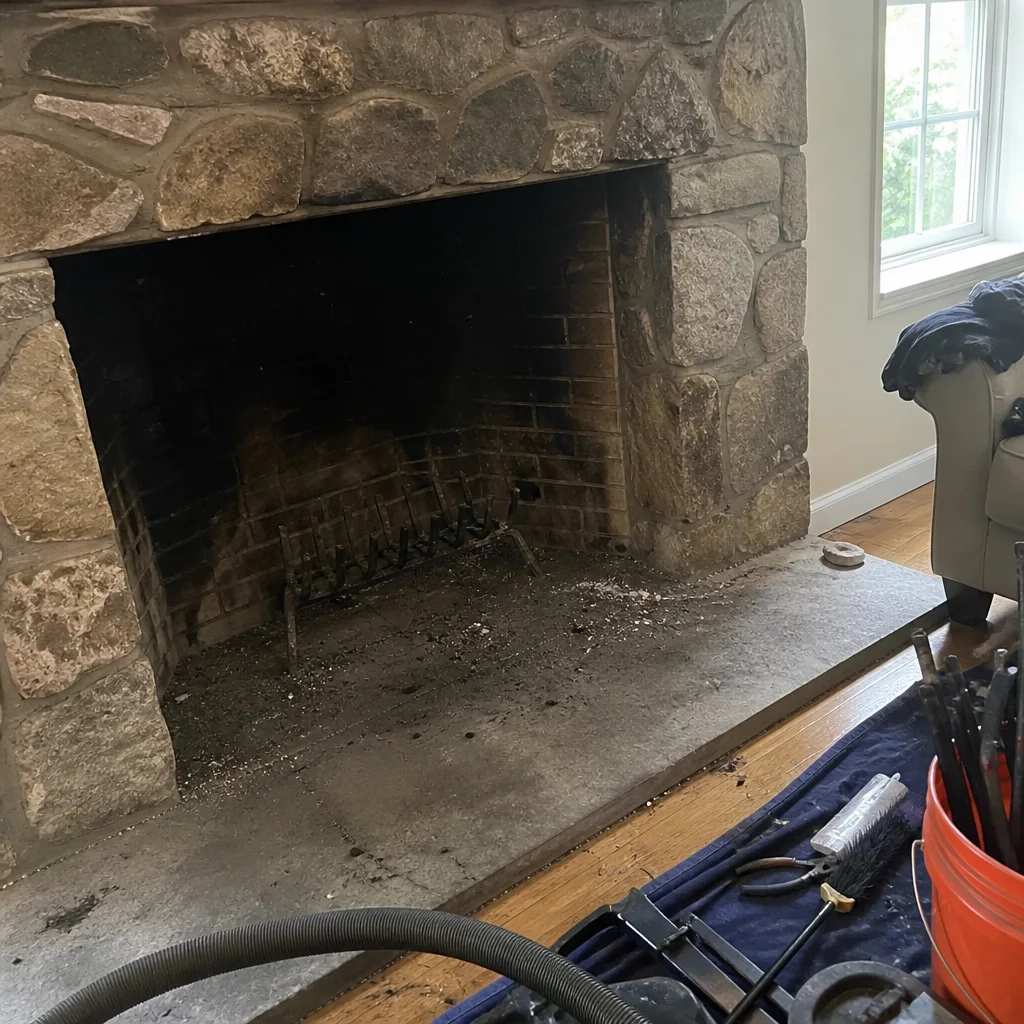 Before
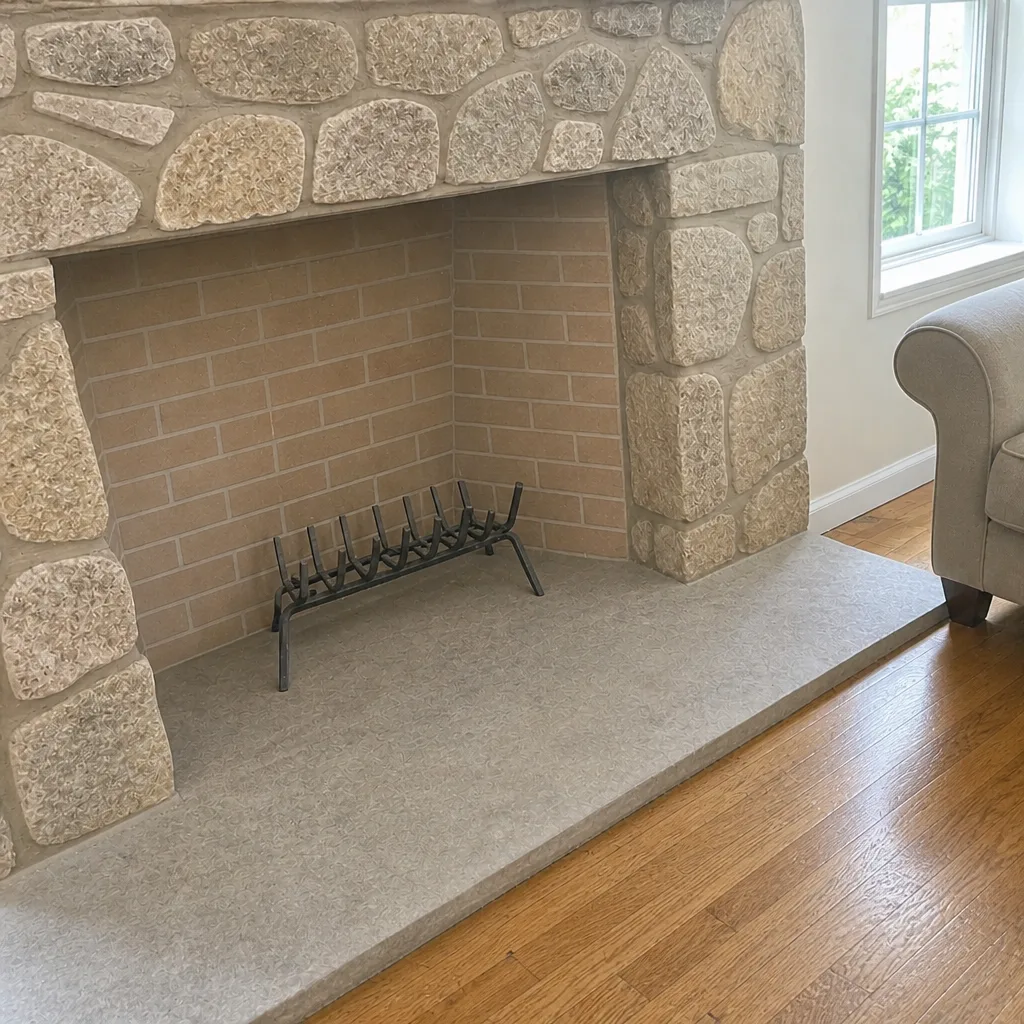 After
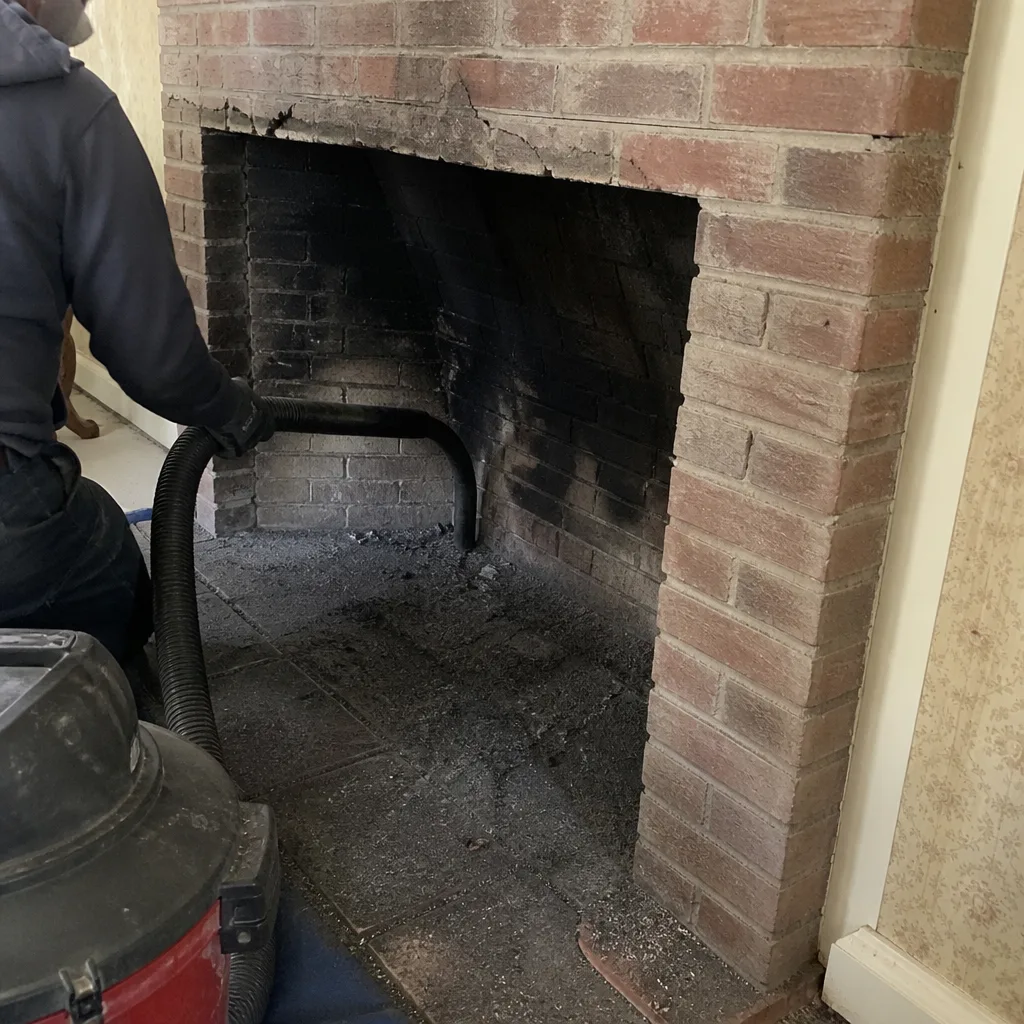 Before
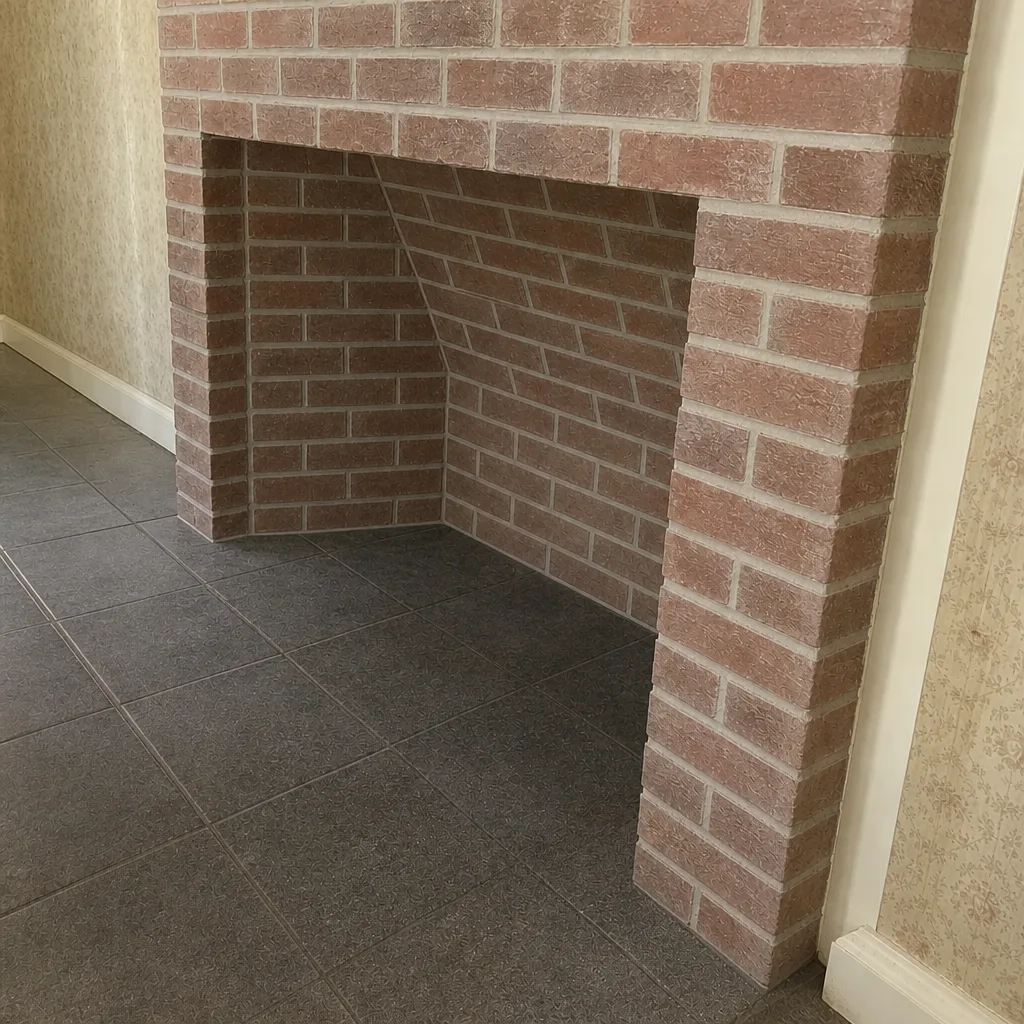 After
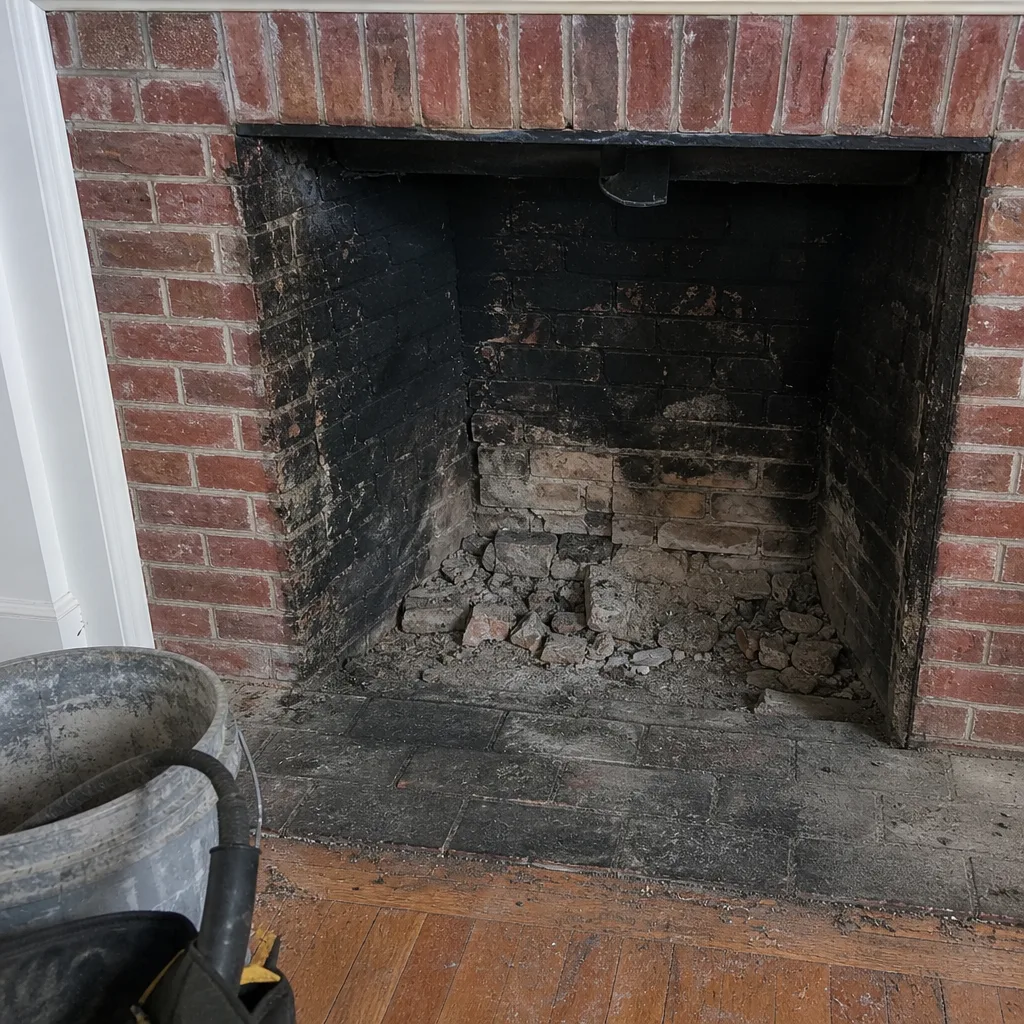 Before
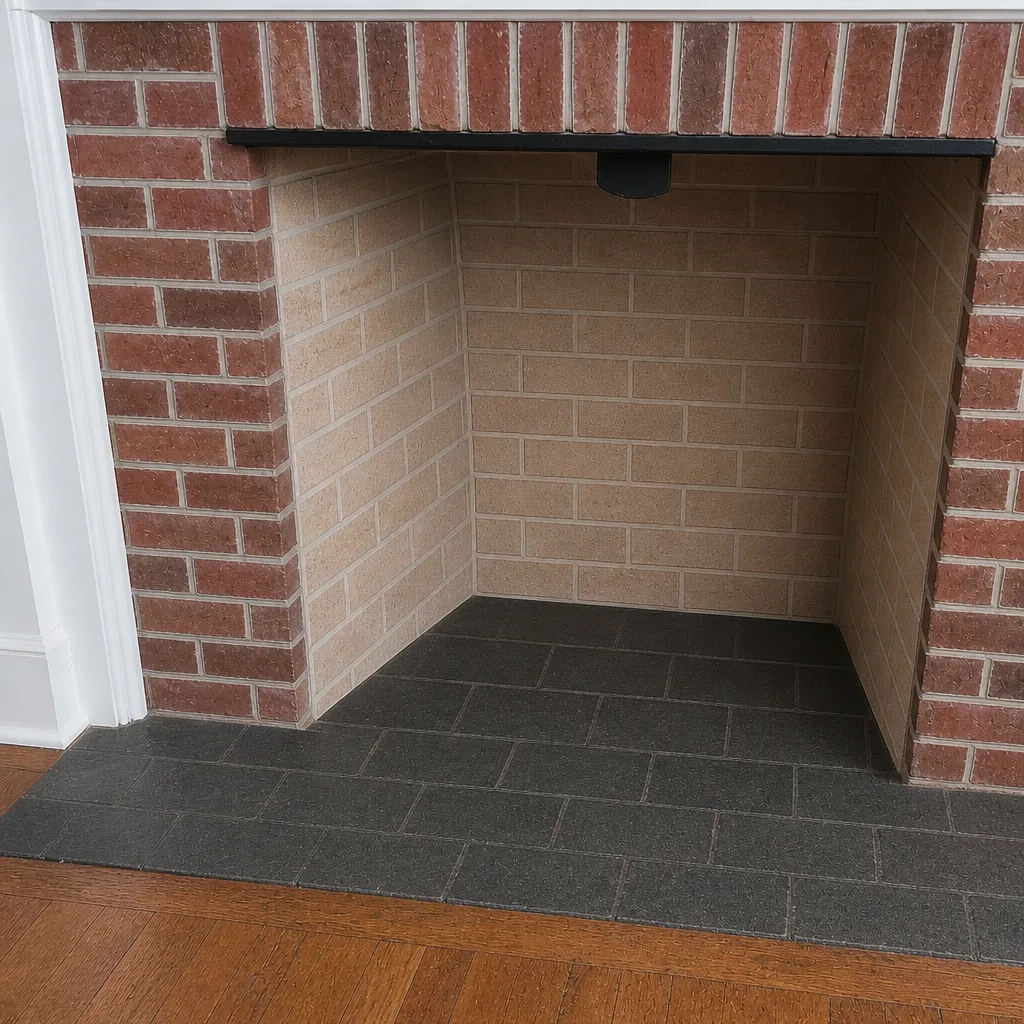 After
When to Call a Professional
You should call a professional chimney specialist if any of the following applies: you’ve bought a Hyde Park home in the past year and don’t have a documented chimney inspection; you’ve converted from oil to gas or changed a heating appliance; you’ve had a chimney fire, however small; you notice smoke backdraft, a persistent odor from the fireplace, or water staining on the chimney; or the chimney hasn’t been swept in several years and you don’t know its condition. Those scenarios sit on the code side of the line, and the answer isn’t a cleaning, it’s an inspection. Chimney Sweep Hyde Park offers free estimates in Hyde Park. Call (877) 853-3126. We answer 24/7. Fast dispatch from 7am to 7pm, Sunday through Friday.
Frequently Asked Questions
No. Chimney cleaning, sweeping, and routine maintenance do not require a permit in Hyde Park or anywhere in Massachusetts. Permits apply to work that installs, alters, or rebuilds part of the chimney, not to cleaning. If a contractor tells you a sweep needs a permit, ask what work they’re actually proposing. Call (877) 853-3126 for an exact quote, estimates are free.
Liner installation, relining, and alterations to the chimney structure are generally permit-required under 780 CMR. The permit is filed with the city, and the installation is inspected against the code’s requirements. When a contractor proposes any of this in Hyde Park, ask for the permit number. Call (877) 853-3126 if you need a scope check on a proposed job.
Yes. After any chimney fire, the chimney is inspected before it’s returned to service, and that’s regardless of whether a permit is involved. Small fires can crack flue tiles and warp liners in ways the homeowner can’t see. We document the flue interior with camera and photographs so you can see the condition yourself. Call (877) 853-3126 to book an inspection.
No. Restoring a damaged flue with a HeatShield system is still alteration work to the venting system and follows the same permit path as a full reline. The difference is cost and scope, not code classification. Restoration can come in under full replacement because it repairs the existing flue rather than replacing it, but both are documented. Call (877) 853-3126 for a free estimate.
Boston issues it. Hyde Park is within Boston city limits, so building permits for liner installation and structural work run through Boston Inspectional Services Department. There’s no separate Hyde Park permitting office. Confirm which department your contractor is filing with before booking. Call (877) 853-3126 if you have questions about the scope of a proposed job.
NFPA 211. That’s the standard Massachusetts code references for chimneys and vents, and the inspection documentation a buyer’s inspector reviews is normally framed against it. For a real estate transaction in Hyde Park, a Level 2 inspection is usually what’s called for, since it includes the concealed portions of the flue. Call (877) 853-3126 for free estimates and inspection quotes.
The Bottom Line
A chimney sweep is maintenance; a chimney liner installation is code work, and in Hyde Park that means a Boston-issued permit and a city inspection. Cleaning never requires a permit. Liner installation, relining, and structural chimney alterations generally do under 780 CMR, which references NFPA 211 for how the system is evaluated and documented. Inspections have their own triggers, independent of permits: oil-to-gas conversions, appliance changes, post-chimney-fire checks, and real estate transactions. Homeowners who ask for the permit number before work begins keep that liability off their own shoulders at resale. Our technicians have up to 11 years of experience, and we’ll tell you plainly whether your job is routine maintenance or something that goes on record with the city.
Call (877) 853-3126 for a free estimate on your Hyde Park chimney work. We answer 24/7. Fast dispatch from 7am to 7pm, Sunday through Friday. The written estimate sets the final price, and no recommendation gets made that you can’t verify from the inspection photographs yourself.
Written by the team at Chimney Sweep Hyde Park.