
Last updated November 25, 2026
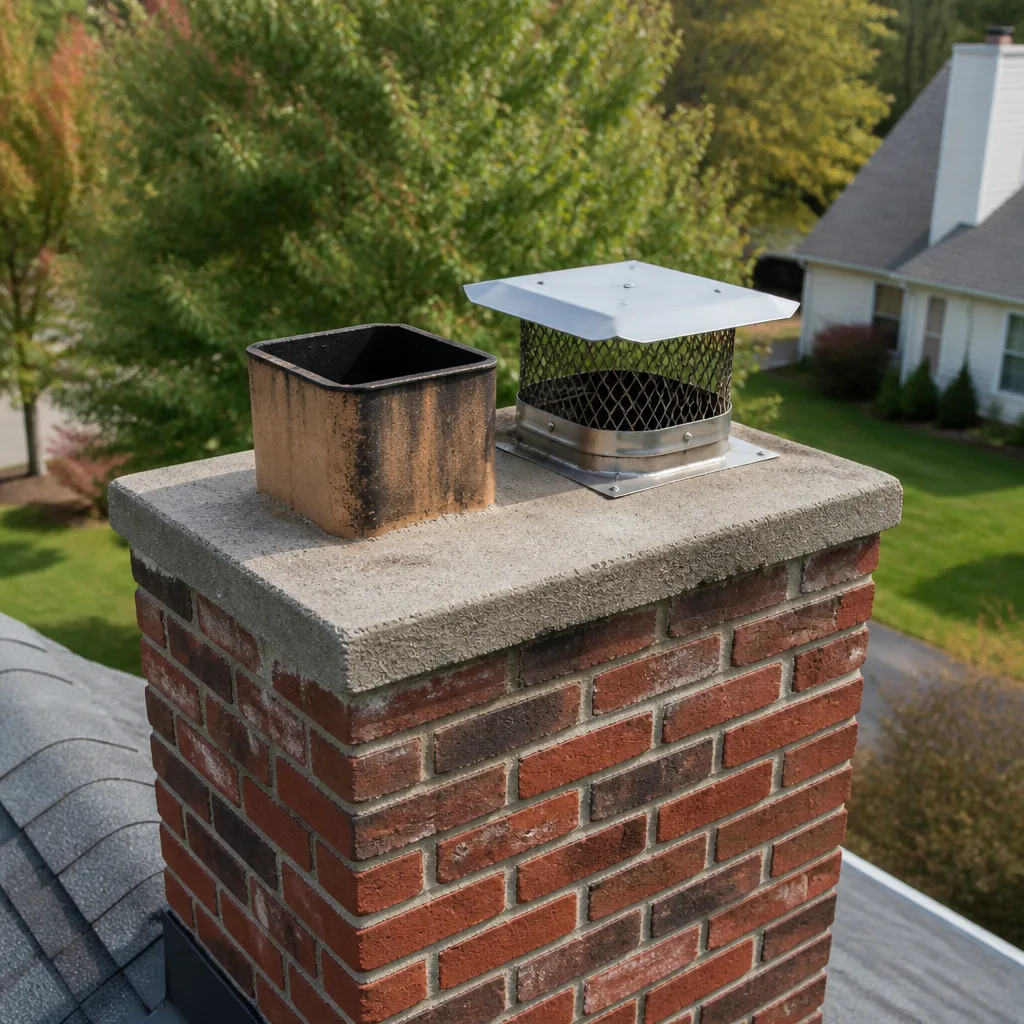 Sweep & inspection
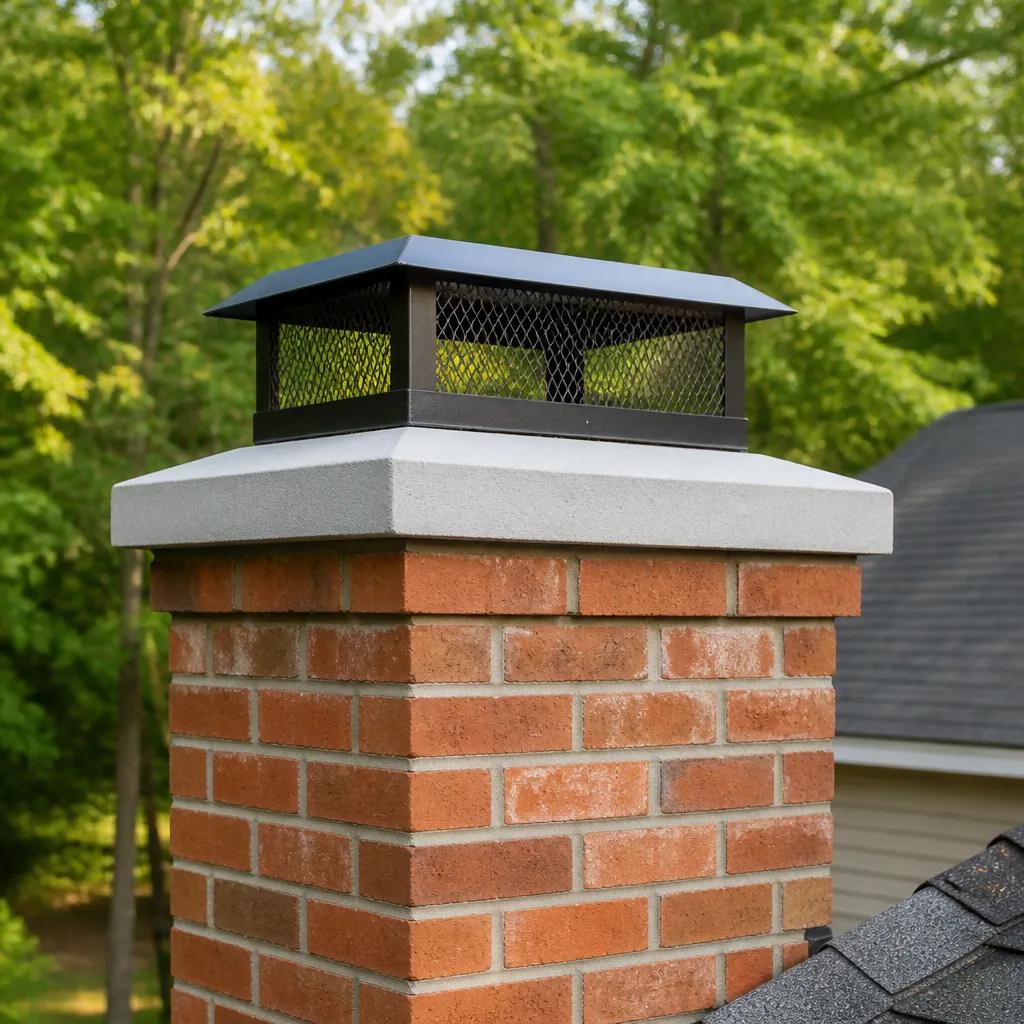 Caps & crowns
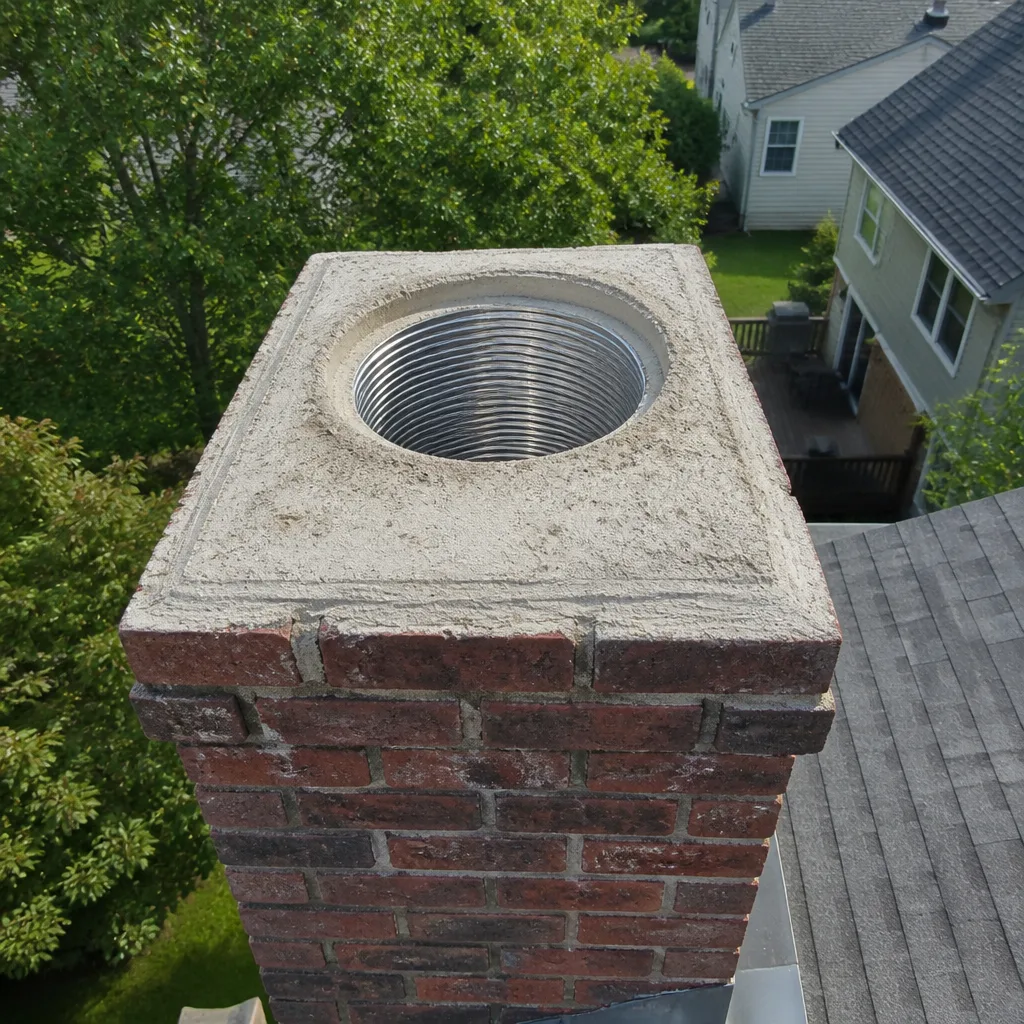 Flue relining
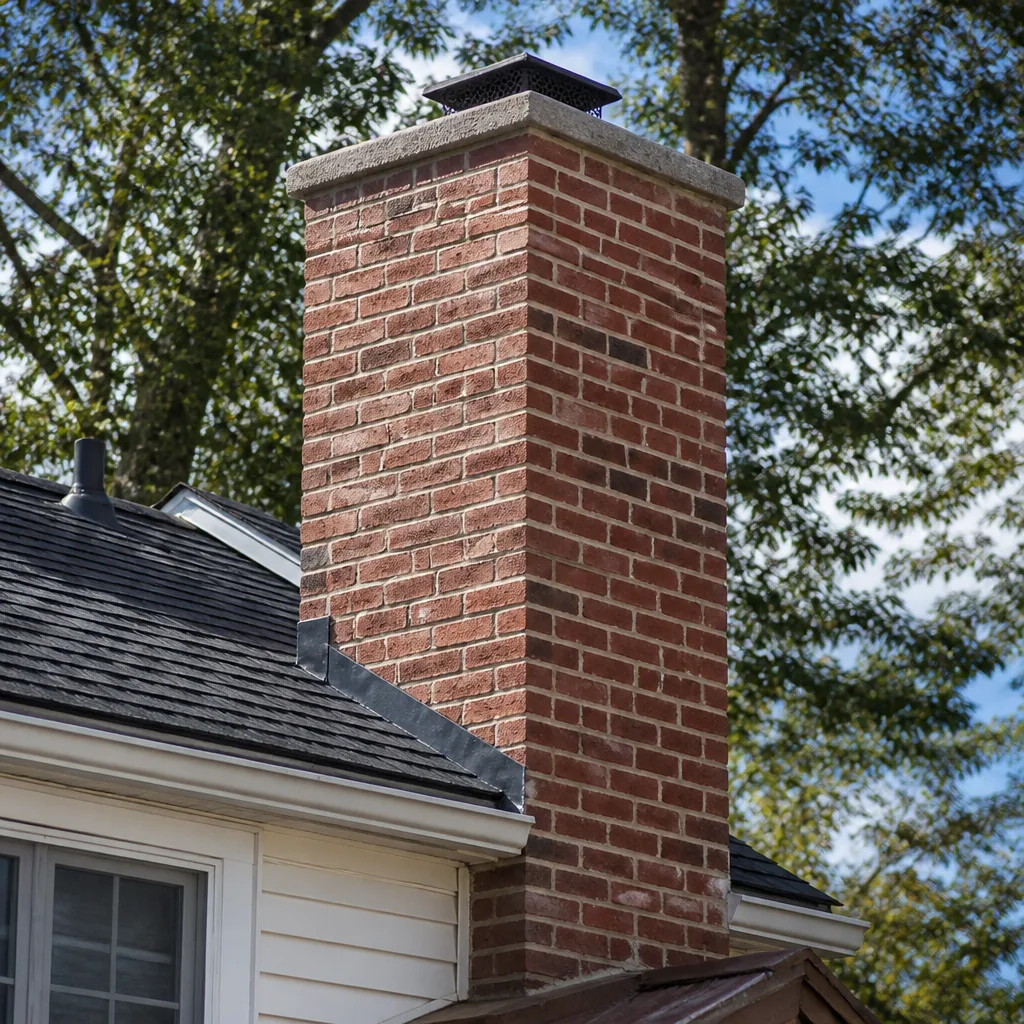 Masonry repair
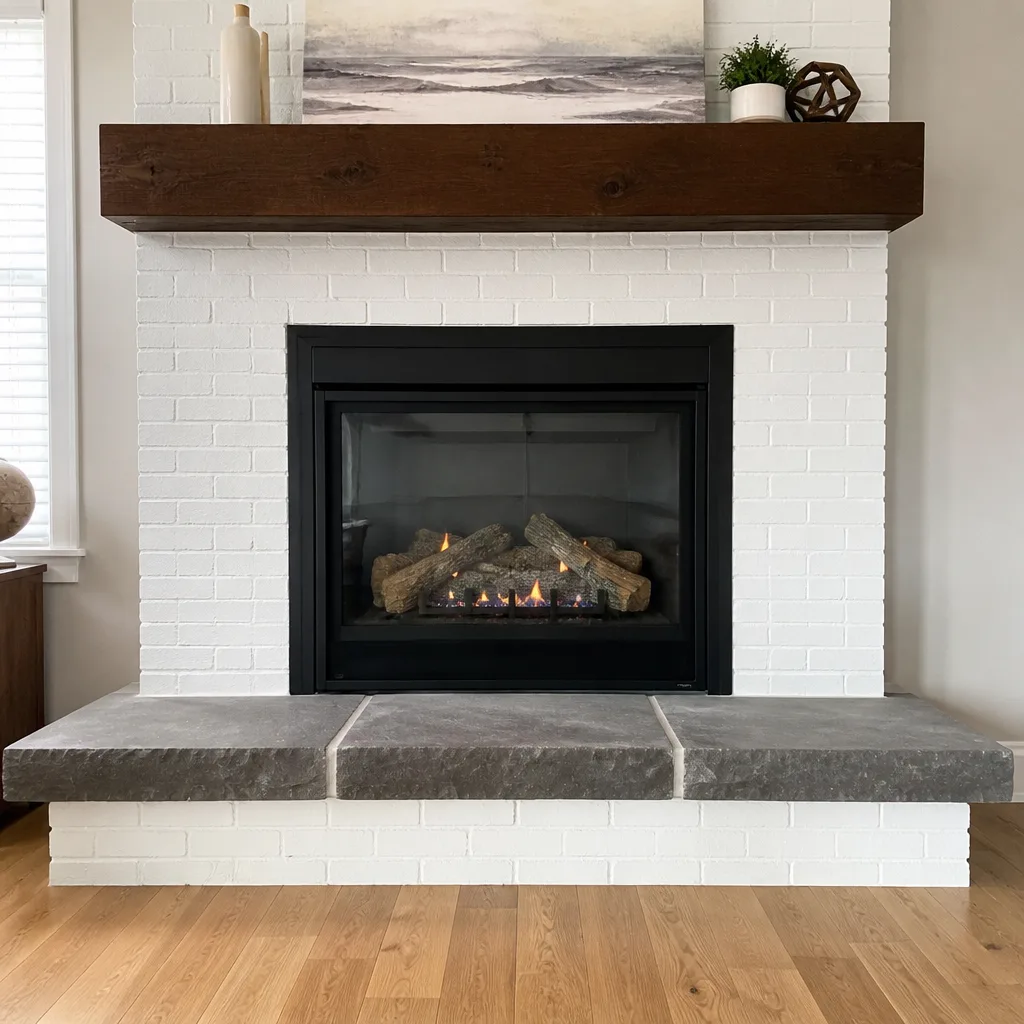 Gas fireplace service
Level 1 sweep and inspection to the NFPA 211 annual standard - flue, crown, cap, and flashing checked and photographed
Chimney sweep logs do not sweep chimneys. They loosen some creosote - which then falls where a brush and vacuum still have to collect it.
DIY vs Professional Chimney Cleaning: The Hyde Park Homeowner’s Decision Guide
You can sweep your own chimney and remove visible soot. That part is true, and it’s the reason this debate keeps resurfacing every fall. But you cannot evaluate your own flue liner from the firebox floor, and that’s the inspection that actually determines whether the system is safe to burn. Cleaning without inspecting creates a false sense of security: the flue looks clear, the fire draws, and nobody has looked at the liner, the smoke chamber, or the crown. This guide draws the line at risk rather than effort. We’ll walk through what a Hyde Park homeowner can legitimately handle, what genuinely requires professional equipment, and how to decide which side of that line your chimney sits on this season.
Quick Answer
DIY chimney cleaning is reasonable only when three conditions line up: you burn seasoned wood, a professional has inspected the flue within the past two years, and the home is newer construction with a factory-built or well-documented masonry chimney. In every other case, and especially in older Hyde Park housing where liner condition is unknown, professional cleaning is the safer call because sweeping without inspection leaves the most important variables unchecked. A brush kit removes soot. It cannot tell you whether the flue liner is cracked, whether creosote has glazed into stage 3, or whether your crown is funneling water into the masonry.
Styles & brands we work with
- Sweep & inspection
- Caps & crowns
- Flue relining
- Masonry repair
- Gas fireplace service
Table of Contents
- What a Homeowner Can Safely Do Between Professional Appointments
- The Tasks That Require Professional Equipment
- Why Stage 2 and Stage 3 Creosote Defeat Consumer Brush Kits
- The Insurance Documentation Problem for Hyde Park Homeowners
- A Decision Framework: Fuel Type, Inspection History, Housing Age
- What a Professional Sweep Actually Involves in Hyde Park
- DIY Cost vs Professional Cost: The Real Arithmetic
- Common Mistakes to Avoid
What a Homeowner Can Safely Do Between Professional Appointments
The DIY-versus-professional question usually gets framed as all-or-nothing, and that framing is wrong. There is a middle band of chimney maintenance that a careful homeowner can and should handle. It keeps the system cleaner between professional visits and makes the annual or biennial sweep easier on everyone. Here’s what falls inside that band:
- Firebox ash removal. Scoop out accumulated ash once the firebox holds more than an inch or so. Keep a metal container with a lid for disposal and let ash sit for at least a day before it goes anywhere near a trash bin. Ash holds heat longer than most people expect.
- Exterior cap inspection from the ground. A pair of binoculars from the yard tells you whether the cap is still attached, whether birds have nested under it, and whether the mesh is torn. You don’t need to climb anything for this.
- Damper function testing. Open and close the damper by hand and confirm it moves freely through its full range. A damper that sticks open or won’t seal is a sign the assembly needs professional attention, not something to force.
- Visual firebox and smoke shelf checks. Look for loose brick, crumbling mortar joints, or rust streaks in the firebox with a flashlight. Photograph anything that looks off so you can show it to a technician.
- Seasoned wood discipline. The single biggest lever a homeowner controls is fuel quality. Burning wet wood deposits far more creosote than burning wood that has dried properly.
Notice what’s absent from that list: anything involving the flue interior, anything requiring roof access, and anything requiring judgment about liner integrity. Those three categories are where DIY stops being a reasonable chore and becomes a risk management problem. In Hyde Park, where much of the housing stock predates modern chimney standards, that distinction matters more than it does in a subdivision full of twenty-year-old homes.
If you want a baseline before deciding anything, the first step is always inspection rather than sweeping. We’ve built our process around that order for a reason: Chimney Sweep Hyde Park starts every visit with a look at the whole system, not just the flue.
The Tasks That Require Professional Equipment
Three specific jobs sit firmly on the professional side of the line, and none of them can be substituted with a consumer brush kit no matter how careful the homeowner is. These are the tasks that separate a sweep from a proper chimney service.
- Camera inspection of the flue liner. A closed-circuit camera run down the flue shows the liner’s interior surface from top to bottom. Cracks, gaps at joints, spalling, and separation are invisible from the firebox floor. In Hyde Park’s older masonry chimneys, this is often the single most important five minutes of the entire visit.
- Creosote stage classification above the smoke chamber. A technician can see and feel the difference between a light soot film, a crusty stage 2 deposit, and glazed stage 3 creosote. That classification determines whether standard brushing is enough or whether chemical treatment is needed. You cannot make that call with a mirror and a flashlight from below.
- Crown crack assessment from the roofline. The crown is the concrete or mortar cap at the very top of the chimney. Hairline cracks open into real water pathways, and water intrusion is what turns a $200 repair into masonry reconstruction. Assessing the crown properly means getting on the roof, and that’s not a task we’d ever suggest a homeowner take on.
There’s a fourth item that belongs on the professional list: anything involving the chimney cap and crown as a system. A cap that has lost its mesh, a crown that’s spalling, or flashing that has pulled away from the roofline all quietly do damage every time it rains. That’s why we treat chimney cap & crown work as a core service rather than an afterthought, and why we recommend looking at it during every inspection.
We work with professional-grade product lines because the equipment matters here in ways it doesn’t in other trades. A DuraFlex liner kit, a HeatShield restoration compound, a Gelco crown mix, or an Olympia Chimney cap are all built to a standard consumer retail products aren’t. When the job is restoring a chimney’s weather-tightness for the next twenty years, the material choice is not the place to economize.
Why Stage 2 and Stage 3 Creosote Defeat Consumer Brush Kits
Creosote forms in three distinct stages, and only the first one responds well to a standard brush. This is the technical detail that most DIY guides skip over, and it’s the reason a homeowner can spend a Saturday sweeping and still leave the dangerous deposit behind.
- Stage 1: Soot and light flaky deposit. Soft, powdery, and removable with a standard poly brush. A homeowner with the right kit can genuinely make progress here.
- Stage 2: Crusty, brittle deposit. Harder, sometimes a few millimeters thick, and it clings to the liner surface. A brush will knock some of it off but leaves the rest, especially at joints and bends. Chemical treatment is often needed.
- Stage 3: Glazed, hardened creosote. This is the dangerous one. Stage 3 creosote has baked onto the flue surface into a fuel-rich glaze that brushing doesn’t touch. It can actually be polished by a brush into an even harder, shinier layer, which makes it harder to remove later.
Here’s the critical point: a homeowner sweeping a stage 3 deposit without knowing it is stage 3 doesn’t just fail to remove it. They may make the situation worse. The brush glides over the glazed surface, the deposit stays put, and the false reassurance that the chimney has been “cleaned” sets in. Then the next fire burns at the same temperature against the same glaze, and the risk compounds.
In our experience across Hyde Park, stage 3 creosote is more common than homeowners expect. It shows up in chimneys that have seen a few seasons of damp wood, restricted draft, or a firebox run at low, smoldering temperatures. Glazed deposits are the exact reason we classify before we sweep. If we find stage 2 or stage 3, we treat with chemistry first and brush second. That’s not a rush job, and it’s not something a homeowner can reasonably manage.
The Insurance Documentation Problem for Hyde Park Homeowners
Here’s a variable almost nobody mentions when comparing DIY to professional cleaning: insurance documentation. Most homeowner policies include language around chimney fire claims that asks for evidence of maintenance. If a claim arises and the homeowner’s only record of upkeep is a personal recollection of sweeping a few seasons back, the claim can become contested.
Professional chimney sweeping in Hyde Park gives you something a DIY sweep cannot: a written or photographic record of the chimney’s condition on a specific date, signed by a technician. If your insurer asks for proof that the flue was maintained, that record is what you produce. A camera inspection report is even stronger, because it documents the liner’s condition, not just the fact that a brush went down the flue.
We’re not insurance advisors, and we don’t speak for your carrier. What we can tell you is what we’ve observed: homeowners who have a clean paper trail tend to have a smoother claims process than homeowners who don’t. That documentation is also genuinely useful for the homeowner’s own memory. Five years from now, when you’re deciding whether it’s time for another inspection, that record tells you exactly what was done and when.
The documentation angle is one of the reasons we pair sweeping with a photo report on every visit. You see what we see. If you’re weighing whether the DIY route saves you money, the arithmetic should include what you’d pay for the documentation in your own time and effort.
A Decision Framework: Fuel Type, Inspection History, Housing Age
Instead of debating DIY versus professional in general, use three variables to decide for your specific chimney. We’ve found this framework holds up well across the range of homes we see in Hyde Park.
Variable 1: Fuel Type
Wood-burning fireplaces produce creosote and demand regular professional attention. Gas fireplaces produce far less deposit but have their own concerns: the venting, the termination, and the connection at the appliance all need periodic inspection. Pellet stoves and inserts fall somewhere in between. If you’re burning wood, the DIY case narrows considerably. If your fireplace is gas and only lightly used, the interval between professional visits can reasonably stretch.
Variable 2: Years Since Last Professional Inspection
If a technician has looked at the flue within the past two years and found no issues, the system’s condition is documented. DIY cleaning between those inspections is defensible. If five or more years have passed, or if you’ve never had the chimney inspected (a common situation for first-time buyers in Hyde Park), DIY is not a safe starting point. There’s too much you don’t know about the system yet.
Variable 3: Housing Age and Chimney Type
Newer homes with factory-built chimneys, known liner types, and documented installation have predictable maintenance needs. Older Hyde Park housing stock often carries unknown liner materials, decades of accumulated maintenance history, and signs of past repairs that didn’t age well. In that environment, professional inspection is the only way to know what you’re dealing with, and DIY without that baseline is guesswork.
Score those three variables honestly. If all three point to low risk, DIY between appointments is sensible. If two or more point toward the unknown, book an inspection before you decide anything else.
What a Professional Sweep Actually Involves in Hyde Park
A professional chimney sweep in Hyde Park is a multi-stage process, not a brush down the flue. Here’s the sequence we follow, and it’s worth knowing so you can compare any quote you receive to what the visit should actually cover.
- Walk-through and intake. We look at the appliance, the firebox, and the surrounding area, and ask about fuel type and burn frequency. This informs the rest of the visit.
- Drop cloths and floor protection. Soot travels. Every working area gets covered before any tool goes down.
- Inspection before sweeping. We examine the firebox, damper, smoke chamber, and flue with a camera. The classification of any creosote deposit determines the approach that follows.
- Chemical treatment where needed. If stage 2 or stage 3 deposits are present, chemistry softens the deposit before the brush goes to work. We use HeatShield-compatible products for restoration work where glazed creosote or liner damage requires it.
- Brushing and removal. Proper brush selection by flue diameter and liner type, with careful attention at the throat and smoke chamber where deposits concentrate.
- Roofline assessment. From the top of the chimney, we check the cap, the crown, and the flashing. These are the components that keep water out, and water does more slow damage to a chimney than fire.
- Photo report and recommendations. You see the camera images, the crown condition, and any issues we found. Nothing gets recommended without evidence you can look at yourself.
Our technicians have up to 11 years of experience, and that range matters most in step 4 and step 6. Knowing when a stage 2 deposit will yield to brushing and when it needs chemical help, and knowing when a hairline crack in a crown is cosmetic versus structural, are the judgment calls that experience buys.
If the flue liner is damaged, the range of options has widened considerably in the last decade. HeatShield restoration is a flue repair method that rebonds and resurfaced the liner from the inside, without pulling a new liner into the chimney. We can save a damaged flue from a full liner replacement in many cases, which is a materially different outcome than most sweep-only operators can offer. For more on the fireplace side of the system, our fireplace repair work covers everything from damper mechanisms to firebox masonry.
DIY Cost vs Professional Cost: The Real Arithmetic
The DIY pitch always runs along the lines of “buy a brush kit once, save every season.” That math is incomplete. Here’s the fuller picture, using typical Hyde Park market ranges rather than any specific quote.
- Consumer brush kit: Typical range is $60 to $150 for rods, brush heads, and a shop vac attachment. Add $40 to $80 for a drill-powered flue brush. Expect to spend $100 to $220 on a kit that will cover one seasonal use before needing replacement parts.
- Drop cloths, safety gear, and disposal: Typically $30 to $60, and gets consumed over a few seasons.
- Time investment: A homeowner with no experience is looking at two to four hours the first time, plus the setup and cleanup that most people underestimate.
- Professional sweep in Hyde Park: Typical range is $150 to $260 for a standard sweep, and $200 to $350 when inspection and photo documentation are included. Liner and crown work is quoted separately based on findings.
- HeatShield liner restoration where needed: Typically far less than full relining, and quoted per job after inspection. This is one of the reasons we recommend inspection over assumptions.
The real arithmetic isn’t just the dollar line. A DIY sweep covers soot removal and leaves the liner, crown, and creosote stage unassessed. If the first sign of any of those problems is a chimney fire or water damage, the repairs dwarf what a professional sweep would have cost. We’re not trying to talk anyone out of DIY in the narrow band where it’s sensible. We are saying that the savings only hold if the chimney is genuinely in good condition, which is itself something you cannot know without inspection.
Every estimate we write is flat-price and agreed before the work is booked. There’s no moving target once the scope is set, and no surprises when the invoice arrives. If the inspection turns up a liner issue that a HeatShield restoration could solve without full replacement, the estimate tells you that clearly. If the problem can safely wait until next season, the estimate says so.
Common Mistakes to Avoid
- Sweeping before inspecting. A brush down the flue without a camera inspection first is effort in the wrong order. You end up confident the chimney is clean without knowing whether the liner is intact, which is the actual safety question.
- Assuming the flue looks fine because the fire draws well. Draft and safety are related but not identical. A chimney can vent beautifully while carrying a stage 3 creosote glaze on the liner’s inner surface.
- Burning damp or unseasoned wood to save money on fuel. Wet wood produces the deposit that makes every subsequent sweep harder and every fire riskier. The fuel savings disappear into future cleaning and repair costs.
- Using a hardware-store brush on a stainless liner. The wrong brush type can scratch and damage a factory-built liner. Match the brush to the liner material, and if you don’t know the liner material, don’t brush it until a technician identifies it.
- Forgetting the crown because it’s “out of sight.” Water intrusion through a cracked crown is one of the most common causes of expensive masonry repair in Hyde Park’s older homes. It’s easy to overlook because it happens slowly and quietly.
- Skipping the cap inspection. A missing or damaged cap allows rain, birds, and debris into the flue. That’s a cheap fix if caught early and a much larger repair if it goes unnoticed for several seasons.
- Treating a professional sweep as an annual substitute for inspection. Sweeping removes deposit. Inspection evaluates the system. Both matter, and they’re not the same visit if the operator doesn’t camera the flue.
See the difference
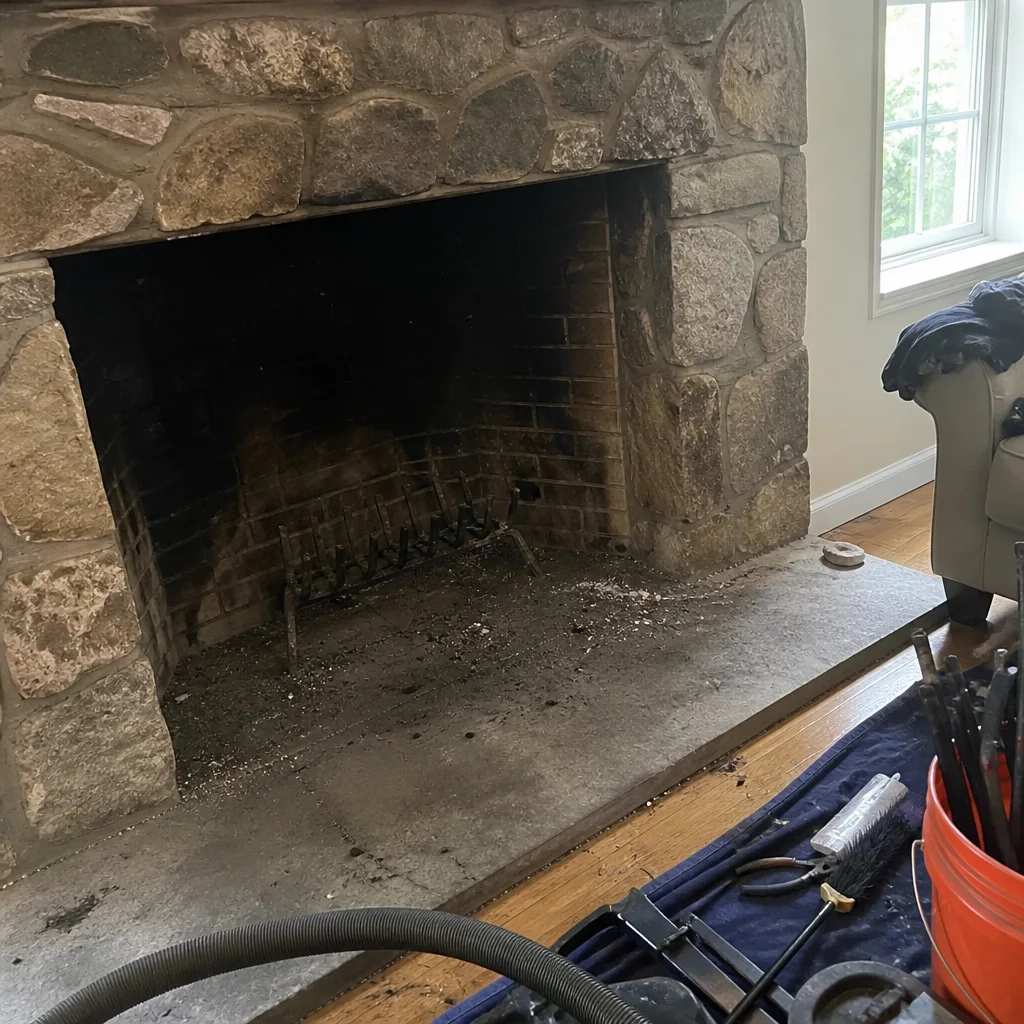 Before
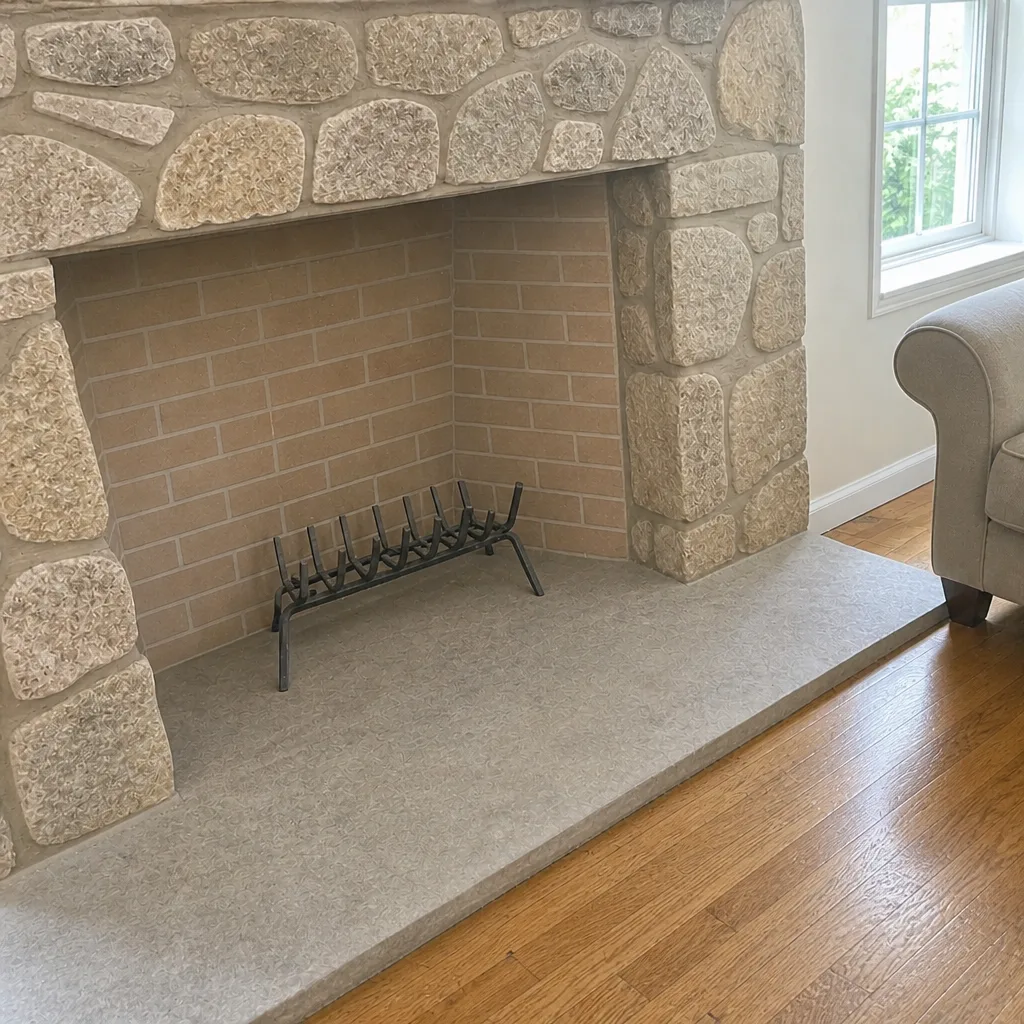 After
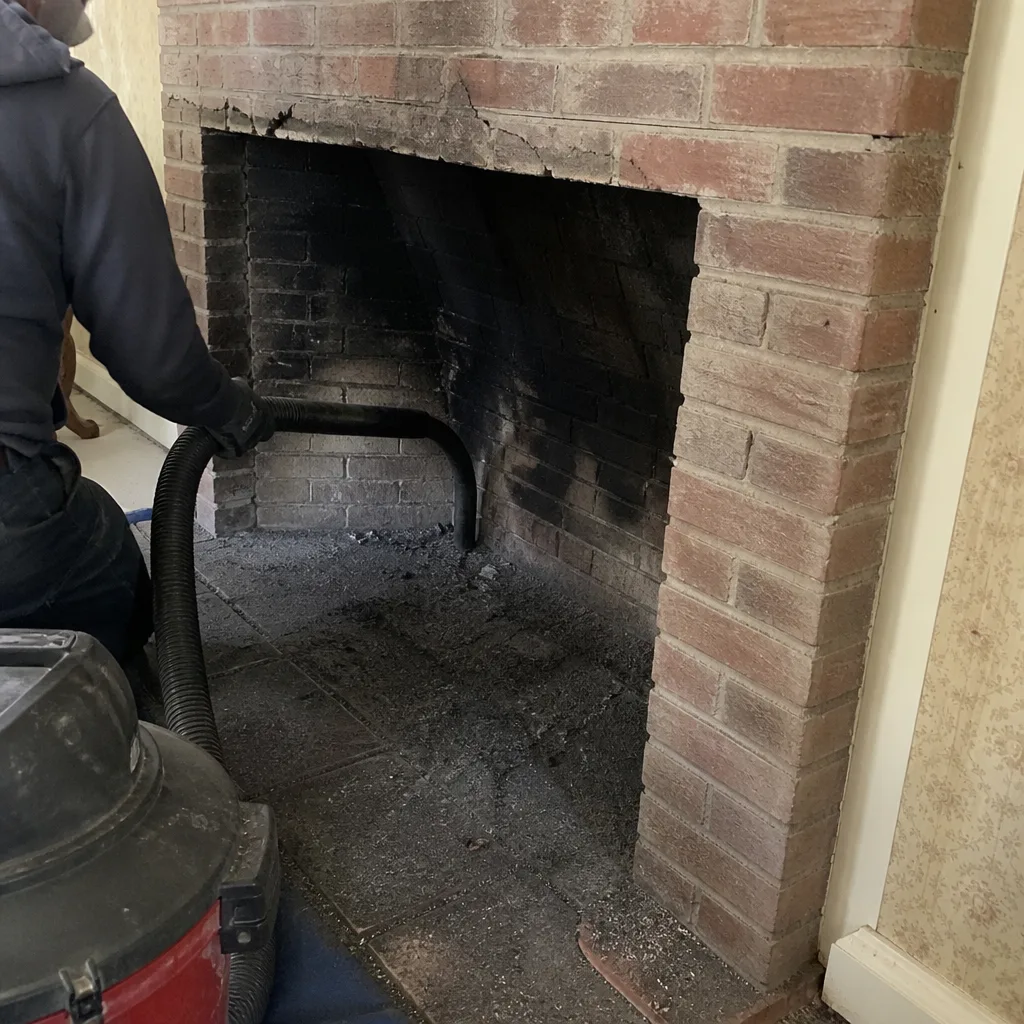 Before
 After
 Before
 After
When to Call a Professional
Call a professional if any of these apply. You’ve never had the chimney inspected, or you can’t remember the last time. You’ve noticed smoke rolling back into the room, an odor between fires, or visible damage to the firebox or exterior masonry. You’ve moved into a Hyde Park home in the past two years and don’t know the chimney’s history. You burn wood regularly and haven’t had the flue cleaned in more than a year. You’re a landlord or a seller and need documentation for insurance or disclosure. Or you simply want to stop guessing whether the system is safe. Chimney Sweep Hyde Park offers free estimates in Hyde Park. Call (877) 853-3126. We answer 24/7. Fast dispatch from 7am to 7pm, Sunday through Friday.
Frequently Asked Questions
Yes, a homeowner can physically sweep their own chimney and remove a stage 1 soot deposit. What a homeowner cannot do without equipment and training is inspect the flue liner from the inside, classify creosote above the smoke chamber, or assess the crown from the roofline. That’s the honest answer. DIY cleaning covers a fraction of what a professional service actually does, and the fraction it misses is the one that determines safety. Call (877) 853-3126 for an exact quote to see what a professional visit covers in your case.
You can’t know for sure without a camera inspection or a roofline look, and that’s precisely the problem. Stage 3 creosote looks and feels different from stage 1 and stage 2, but the surface below the smoke chamber doesn’t tell you what’s above it. Indicators that raise suspicion include frequent low-burning fires, use of damp or unseasoned wood, a flue that’s seen many seasons without cleaning, or a history of chimney odor between burns. If any of those sound familiar, book an inspection rather than guessing. Call (877) 853-3126. We answer 24/7, with fast dispatch from 7am to 7pm, Sunday through Friday.
Not necessarily. A capable consumer kit typically runs $100 to $220, and a professional sweep in Hyde Park typically costs $150 to $260, with inspection-included visits in the $200 to $350 range. Over five seasons of DIY, the arithmetic is closer than the DIY pitch suggests. What isn’t close is what happens if an undiagnosed liner crack or crown failure turns into repair work. Call (877) 853-3126 for an exact quote on your chimney, and the estimate tells you the range before you commit.
Not if the sweep is honest, and that’s the standard we hold ourselves to. Nothing gets recommended without camera evidence you can see for yourself, and we tell you plainly when a problem can safely wait. When a flue does need repair, HeatShield restoration can often solve the problem without full liner replacement, which is a materially different and less expensive outcome. Ask for the camera footage. Any sweep who won’t show you the inside of your own flue is telling you something about the recommendation. Call (877) 853-3126 for a free estimate.
A wood-burning chimney should typically be swept annually during active burning seasons, and inspected at the same time. Gas fireplaces can often stretch to a longer interval, though the venting and connection still need periodic checks. Homes with unknown maintenance history should be inspected immediately rather than waiting for the next cycle. After a professional inspection establishes a baseline, the schedule can be adjusted to your actual usage. Call (877) 853-3126 to set that baseline. We answer 24/7, with fast dispatch from 7am to 7pm, Sunday through Friday.
Burning carefully reduces creosote accumulation but doesn’t eliminate it. Deposits build up season after season, especially in flues with restricted draft or older liners, and the deposit that accumulates is what ignites during a chimney fire. A crack in the liner or a failed crown doesn’t announce itself. It simply lets heat and combustion gases into places they shouldn’t go, and carbon monoxide has no smell to warn you. The safe outcome is a documented inspection with a photo report showing the system’s condition. Call (877) 853-3126 to schedule one. Estimates are free.
The Bottom Line
The DIY-versus-professional chimney cleaning question isn’t really about whether a homeowner can operate a brush. It’s about what happens when the flue gets cleaned without being inspected. Sweeping removes soot. It doesn’t tell you whether the liner is intact, whether the creosote has glazed into stage 3, or whether the crown is quietly sending water into the masonry. For a Hyde Park homeowner with a recently inspected, well-documented chimney and a wood-burning or gas fireplace, DIY between professional visits is a reasonable middle ground. In every other case, the smart move is a professional sweep with camera inspection, photo documentation, and a flat-price estimate agreed before any work begins. The savings from skipping that step are real, but they only hold if the chimney is in good condition. And that’s the one thing you can’t know without looking.
Chimney Sweep Hyde Park handles the complete system: sweeping, inspection, cap and crown work, chimney repair, and fireplace repair, under one specialist. One call, one point of contact, no coordinating separate contractors for a single chimney. Call (877) 853-3126 for a free estimate. We answer 24/7. Fast dispatch from 7am to 7pm, Sunday through Friday.
Written by the team at Chimney Sweep Hyde Park.